
Hypertension
(High Blood Pressure) Treatment in Singapore

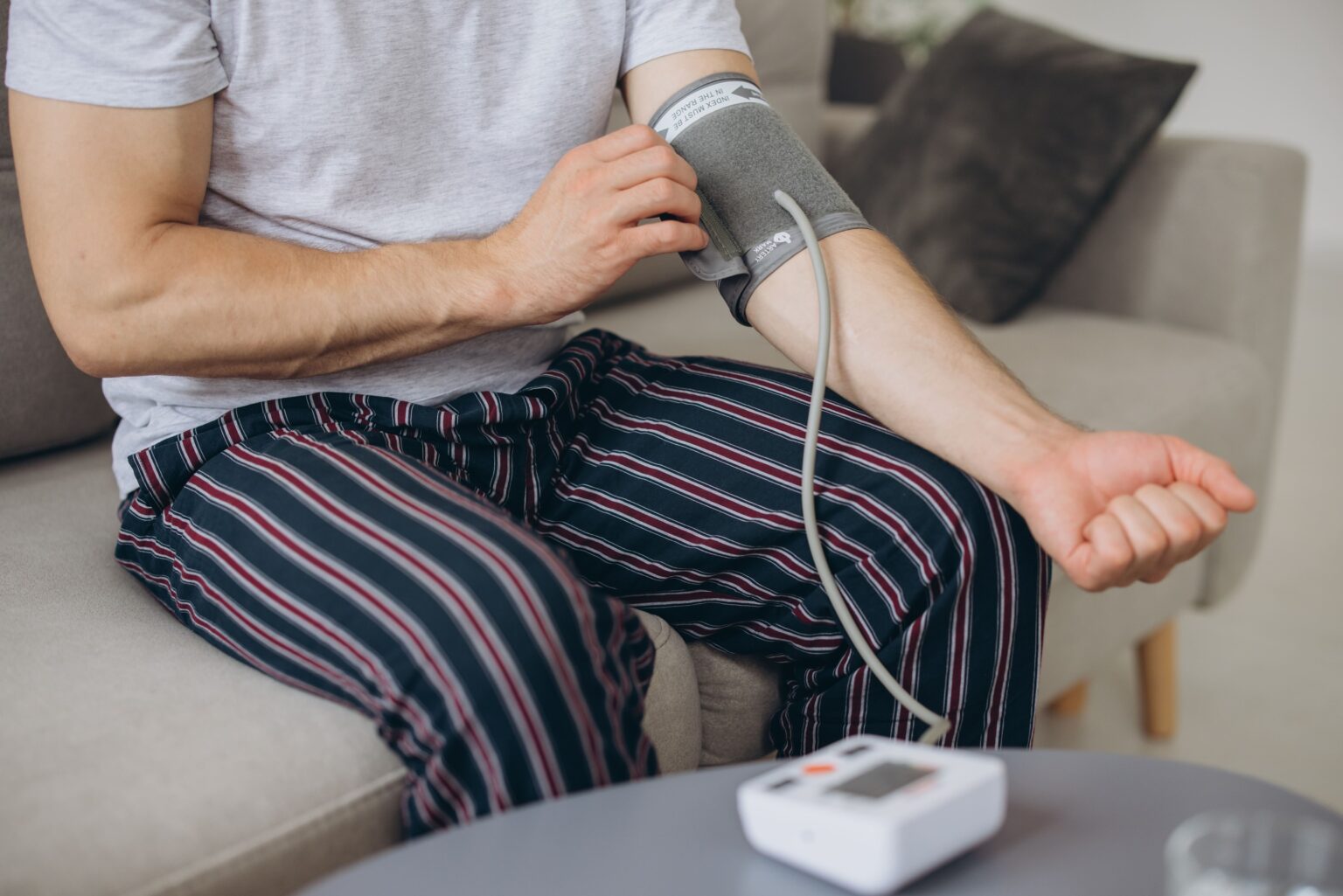
Hypertension, commonly known as high blood pressure, occurs when the force of blood against your artery walls remains consistently elevated. This condition places extra strain on your heart and blood vessels. Many people with hypertension experience no noticeable symptoms, which is why it’s often called the “silent killer.” If left untreated, high blood pressure can lead to serious complications affecting your heart, brain, kidneys, and other organs.

doctor img
Dr. Kua Jieli

MBBS (SG)|MRCP (UK)|MMed (Internal Med) (SG)|FAMS (Cardiology, SG)

Image Carrington hypertension
Image hypertension symptoms

Symptoms of Hypertension

Many people with hypertension don’t experience noticeable symptoms, particularly in the early stages. When symptoms do occur, they may include:

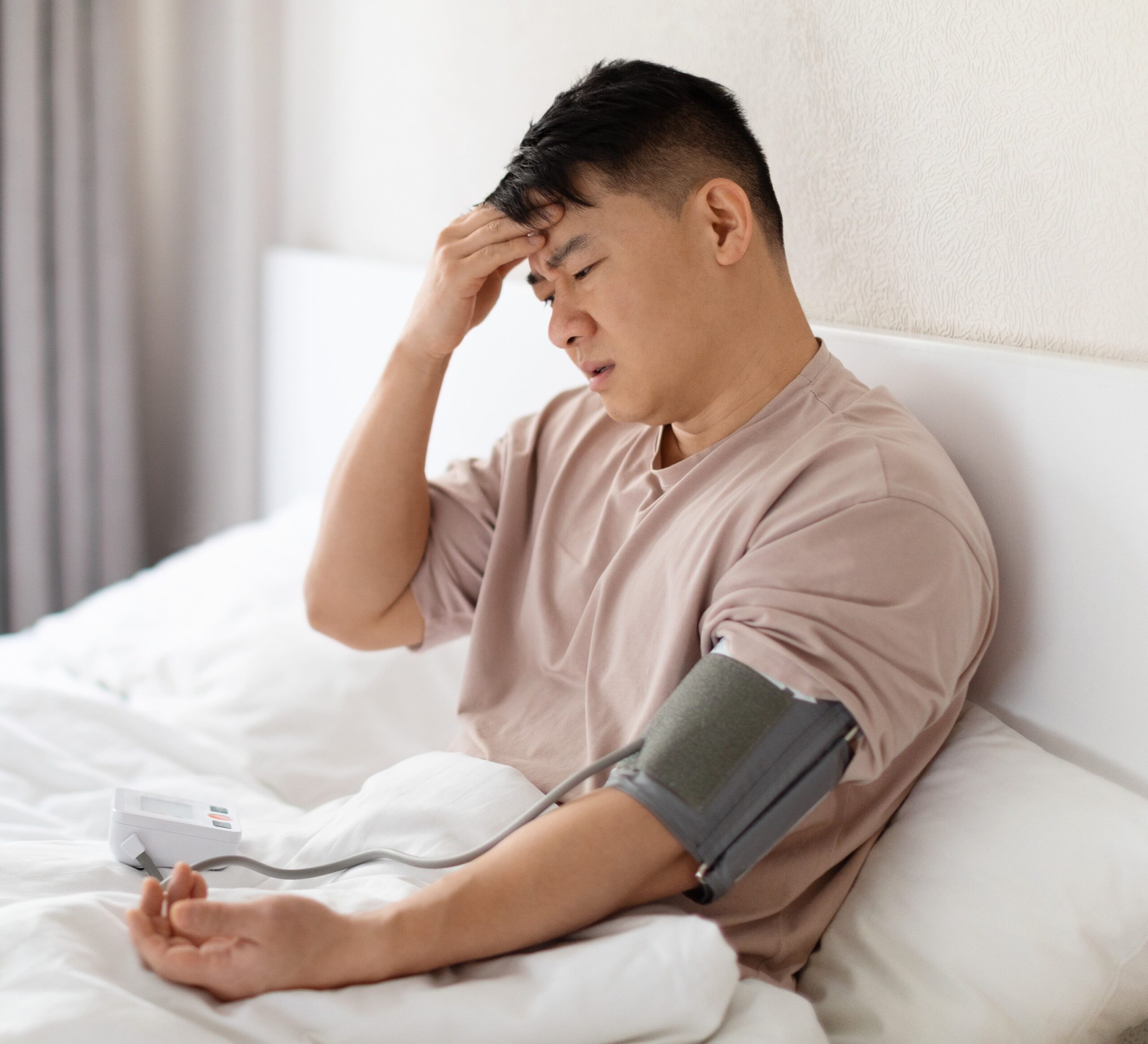
  • Headaches: Persistent or recurring headaches, often described as a throbbing sensation, particularly at the back of the head
  • Dizziness: Feeling lightheaded or unsteady, especially when standing up quickly or during physical activity
  • Shortness of breath: Difficulty breathing during normal activities or feeling winded more easily than usual
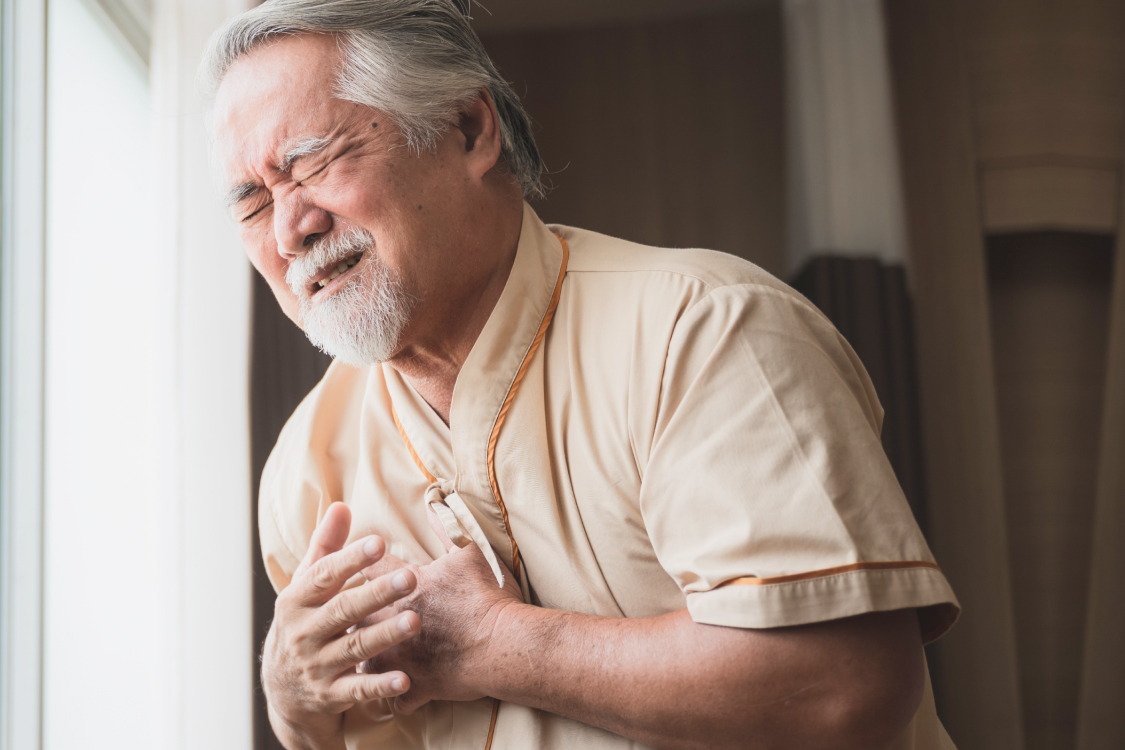
  • Chest discomfort: A feeling of pressure, tightness, or aching in the chest area, particularly during exertion
  • Blurred vision: Changes in eyesight, including difficulty focusing or seeing clearly, especially during episodes of very high blood pressure
  • Fatigue: Feeling unusually tired or lacking energy, even after adequate rest
  • Heart palpitations: Awareness of your heartbeat, feeling like your heart is racing, pounding, or beating irregularly

Causes and Risk Factors of Hypertension

Several factors can contribute to the development of hypertension:

  • Family history

    Having parents or close relatives with high blood pressure increases your likelihood of developing the condition

  • Age

    Blood pressure tends to rise with age as arteries become less flexible and more narrow over time

  • Excess weight

    Carrying extra weight requires your heart to pump more blood to supply oxygen and nutrients to your tissues

  • Physical inactivity

    Lack of regular exercise can lead to weight gain and makes your heart work harder to pump blood

  • High salt intake

    Consuming too much sodium causes your body to retain fluid, which increases the volume of blood your heart must pump

  • Excessive alcohol consumption

    Regular heavy drinking can raise blood pressure and may interfere with blood pressure medications

  • Smoking

    Tobacco use temporarily raises blood pressure and damages artery walls, making them more prone to narrowing

  • Chronic stress

    Long-term stress may contribute to high blood pressure through various mechanisms including increased heart rate

  • Diabetes

    Having diabetes increases your risk of developing hypertension as both conditions affect blood vessel health

  • Kidney disease

    Problems with kidney function can affect your body’s ability to regulate blood pressure properly

Types of Hypertension

Hypertension is classified into two main categories based on its underlying cause.

Primary hypertension

This accounts for about 90-95% of all cases and develops gradually over many years without an identifiable cause. It’s often related to lifestyle factors and genetic predisposition.

Secondary hypertension

This type results from an underlying condition such as kidney disease, hormonal disorders, or certain medications. It often appears suddenly and tends to cause higher blood pressure readings than primary hypertension.

Diagnostic Methods

Diagnosing hypertension involves several measurements and tests to confirm elevated blood pressure readings and assess your overall cardiovascular health.

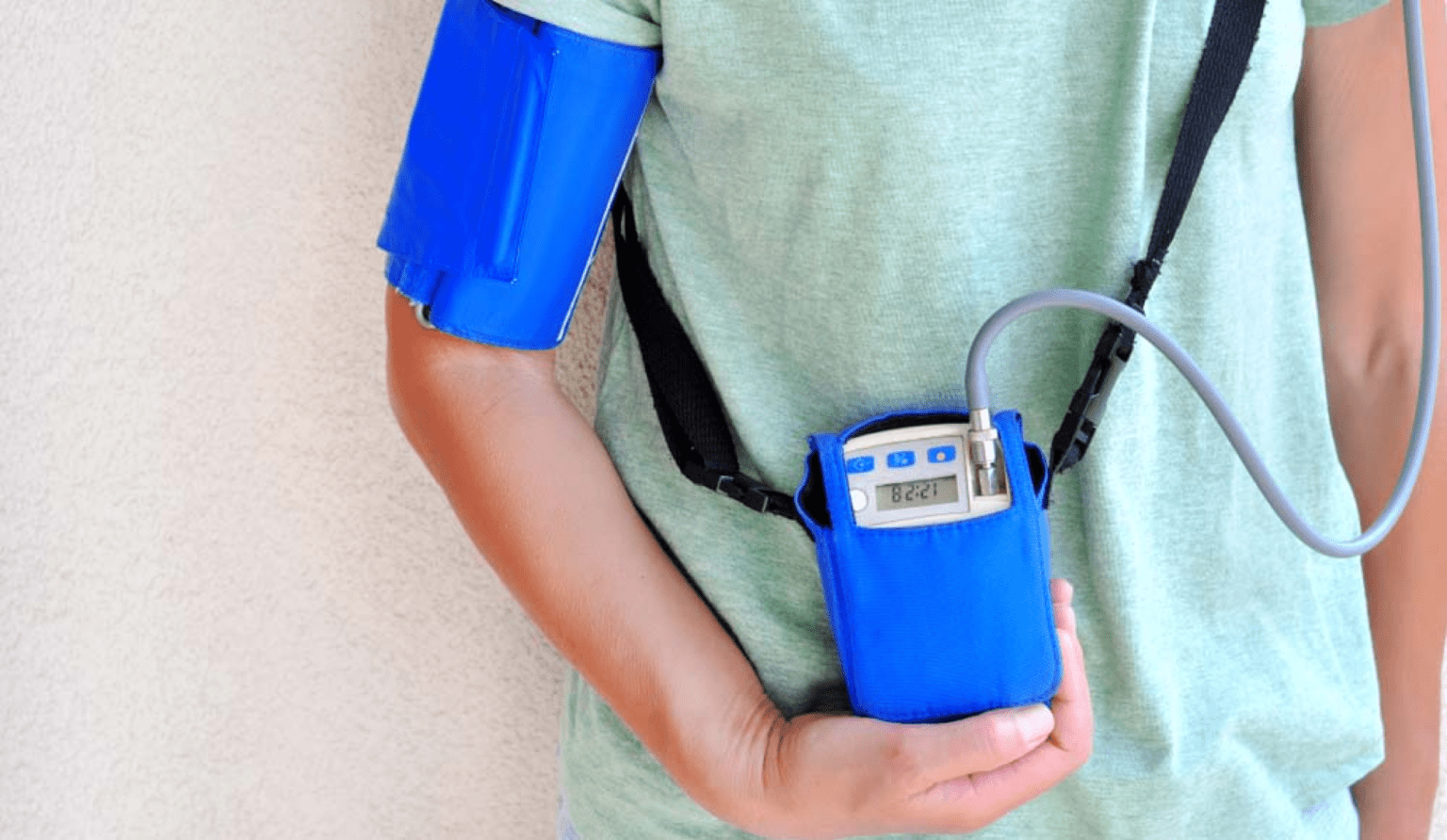
Ambulatory blood pressure (ABP) monitoring

A portable device records your blood pressure over 24 hours, providing a detailed picture of fluctuations throughout the day and night.

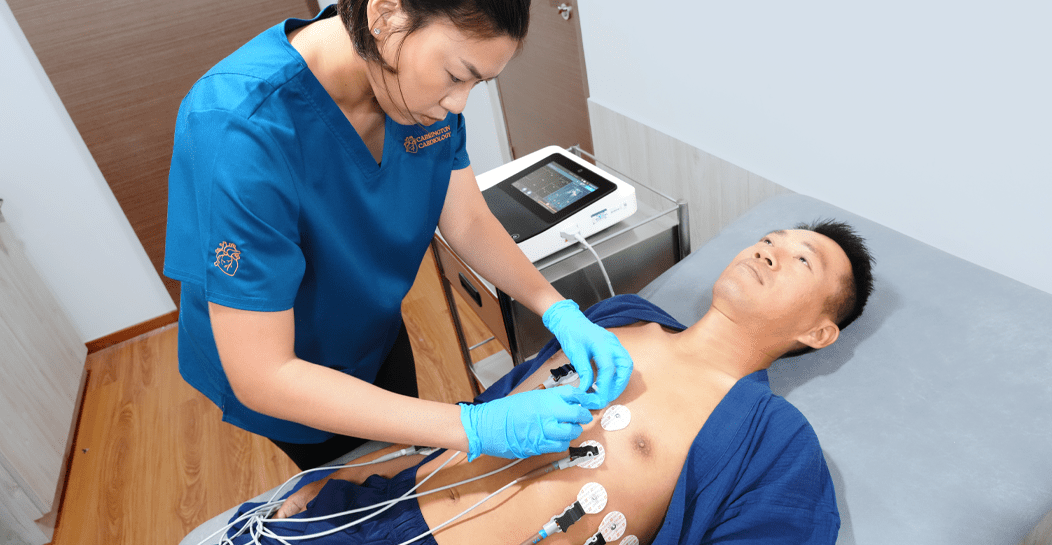
Electrocardiogram (ECG)

This test records the electrical activity of your heart to check for signs of heart enlargement or irregular rhythms that may result from high blood pressure.

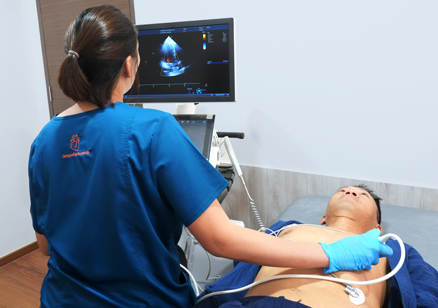
Transthoracic echocardiogram (TTE)

An ultrasound scan of your heart to assess heart structure and function, helping detect changes caused by high blood pressure.

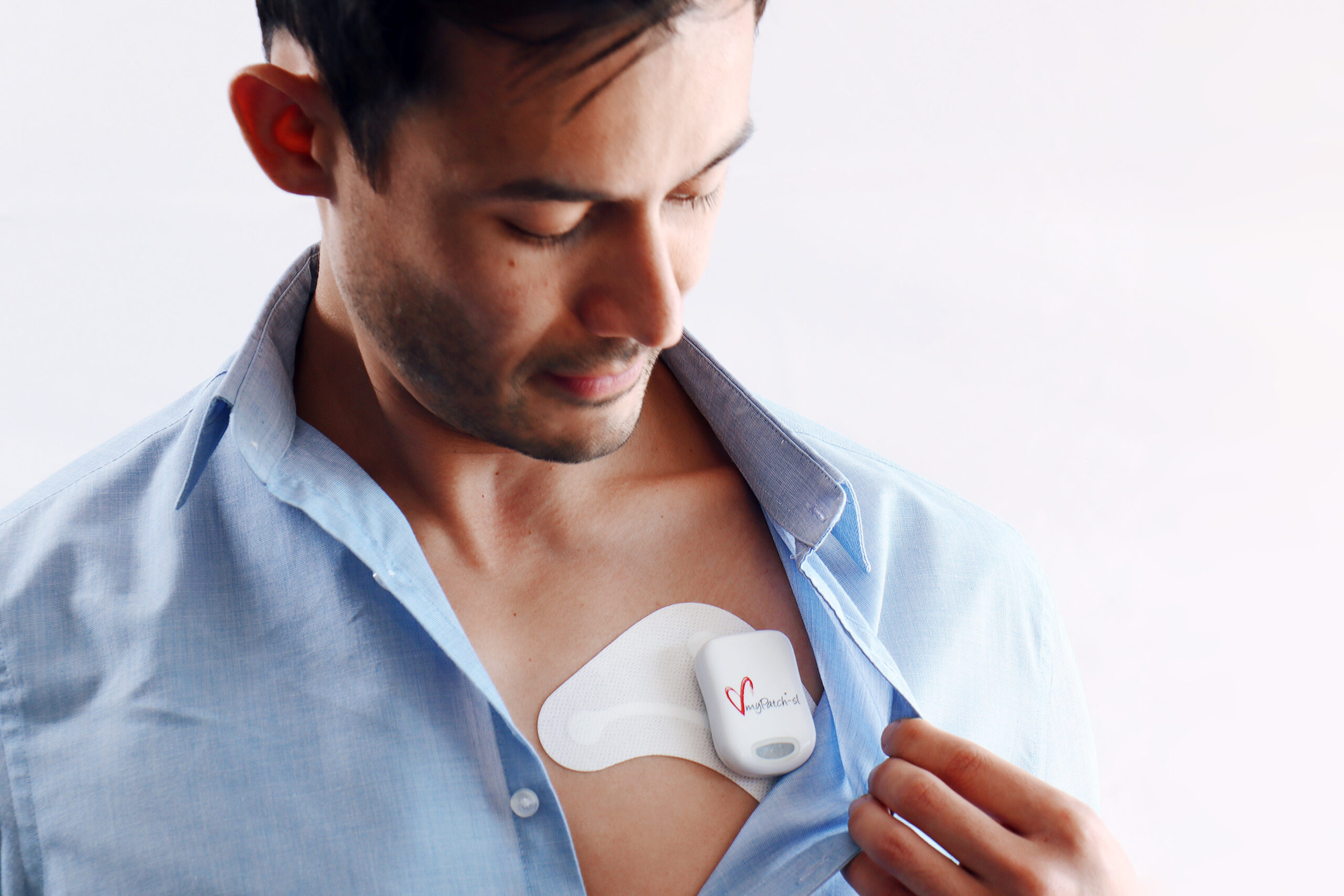
Holter monitoring

A portable device worn for 24 hours or longer that continuously records your heart’s electrical activity during normal daily activities.

Treatment Options for Hypertension in Singapore

Non-Surgical Treatment

Most people with hypertension can achieve good blood pressure control through medications and lifestyle modifications.

  • ACE inhibitors: These medications help relax blood vessels by blocking the formation of a hormone that narrows blood vessels, making it easier for blood to flow.
  • Beta-blockers: These drugs reduce the workload on your heart by slowing your heart rate and reducing the force of heart contractions.
  • Calcium channel blockers: This type of medication prevents calcium from entering the muscle cells of your heart and blood vessels, helping them relax and lower blood pressure.
  • Diuretics: Often called “water pills,” these medications help your kidneys remove excess sodium and water from your body, reducing blood volume.
  • Lifestyle counselling: Guidance on dietary changes, exercise programmes, weight management, and stress reduction techniques that can help improve blood pressure control.
  • Medication monitoring: Regular review and adjustment of blood pressure medications to ensure optimal control whilst minimising side effects.
Surgical Treatment

When medications and lifestyle changes aren’t sufficient to control severe hypertension, certain procedures may be considered.

  • Coronary angiogram and angioplasty: If high blood pressure has contributed to blocked coronary arteries, a coronary angiogram can assess the severity, and angioplasty with stent placement may be performed to restore blood flow.

Are your symptoms affecting your quality of life?

Consult our MOH-accredited specialist for a comprehensive diagnosis & personalised treatment plan today.

cta img 2

Prevention and Management

Preventing hypertension and managing high blood pressure involves maintaining a healthy weight through regular physical activity and a balanced diet low in sodium. Limiting alcohol consumption, avoiding tobacco use, and managing stress through relaxation techniques or counselling are also important.

When to See A Cardiologist in Singapore

You should see a cardiologist if you:

  • Have persistently high blood pressure despite lifestyle changes
  • Experience chest discomfort, shortness of breath, or palpitations
  • Have other risk factors such as diabetes, kidney disease, or a family history of heart problems
  • Want a comprehensive assessment of your heart health

A cardiologist can perform specialised tests and recommend treatment to help you manage high blood pressure effectively and reduce your risk of heart disease.


Frequently Asked Questions (FAQs)

Will I need blood pressure medication for life?

Most people with hypertension require long-term medication, as stopping treatment usually causes blood pressure to rise again within days or weeks. Your doctor will regularly review your treatment and may adjust medications based on your response and overall health.

Can I have hypertension if I feel perfectly well?

Yes, hypertension is often called the “silent killer” because many people have no symptoms despite dangerously high blood pressure. This is why regular blood pressure checks are recommended, even when you feel healthy.

Why does my blood pressure vary throughout the day?

Blood pressure naturally fluctuates based on your activity level, stress, what you’ve eaten, and your body’s daily rhythms. It’s typically lowest during sleep and highest in the morning, which is why consistent timing for measurements is recommended.

Can losing weight really make a difference to my blood pressure?

Even modest weight loss of 2-5 kg can lead to meaningful reductions in blood pressure for many people. The effect is often noticeable within weeks of starting a weight loss programme combined with regular physical activity.

Frame 1894

Dr. Kua Jieli

MBBS (SG)|MRCP (UK)|MMed (Internal Med) (SG)|FAMS (Cardiology, SG)

Dr. Kua is a senior consultant cardiologist specialised in interventional cardiology and is the medical director at Carrington Cardiology.

  • He is experienced in managing complex coronary artery disease and a variety of other cardiovascular diseases and conditions.
  • He also handles difficult coronary interventional procedures such as left main disease, chronic total occlusions, and calcified lesions.
  • He served as a Senior Consultant at National University Hospital Singapore and Ng Teng Fong General Hospital and was also the Director of the Cardiovascular Catheterisation Laboratory.

Prior to this, he served as an International Cardiology Fellow and Honorary Consultant at Hammersmith Hospital Imperial Healthcare Trust, where he gained valuable experience in various prestigious healthcare institutions.

Location Contact Background
Image location

Mount Elizabeth Medical Centre
3 Mount Elizabeth, #12-02 Medical Centre
Singapore 228510

Image time

Mon to Fri: 09:00am – 05:00pm
Sat: 09:00am – 12:30pm
Sun & Public Holidays: Closed

Get In Touch With Us

Leave us a message and we’ll get back to you shortly


    Full Name*

    Email Address*

    Phone Number*

    Your Message*

    For Faster Response, Call us!

    +65 6956 6588


    Image location

    Mount Elizabeth Medical Centre
    3 Mount Elizabeth, #12-02 Medical Centre
    Singapore 228510

    Image time

    Mon to Fri: 09:00am – 05:00pm
    Sat: 09:00am – 12:30pm
    Sun & Public Holidays: Closed