2 July 2025

Heart Arrhythmia: Causes, Symptoms, and Treatment Options

Have you ever felt your heart flutter, race, or skip a beat? This sensation could be a sign of arrhythmia, a condition where your heart’s rhythm becomes irregular. While some irregular heartbeats are harmless, others can pose serious health risks, even leading to life-threatening complications. Uncover the causes, symptoms, and treatments for irregular heartbeat, and learn how to take control of your heart health to prevent complications from arrhythmia.

What Is an Arrhythmia (Irregular Heartbeat)?

An arrhythmia occurs when the electrical impulses that coordinate your heartbeats don’t function properly, leading to irregularities in your heart rhythm. The heart may beat too fast (tachycardia), too slow (bradycardia), or irregularly. Some arrhythmias may be harmless and go unnoticed, while others can lead to complications such as stroke, heart failure, or even sudden cardiac arrest.

Symptoms of Heart Arrhythmia

Recognizing the symptoms of an arrhythmia is crucial for timely intervention. Common irregular heartbeat symptoms include:

  • Palpitations: A feeling of fluttering or rapid beats in the chest.
  • Dizziness or light-headedness: Reduced blood flow to the brain may cause these sensations.
  • Shortness of breath: Irregular heart rhythms may cause difficulty breathing or chest tightness.
  • Fatigue: An irregular heartbeat can make the heart less efficient at pumping blood, leading to feelings of extreme tiredness.

Causes of Heart Arrhythmia

Arrhythmias can be triggered by a variety of factors. Some common causes include:

  • Heart disease: Conditions like coronary artery disease, heart attacks, or heart failure can disrupt the heart’s electrical signals.
  • Electrolyte imbalances: Low levels of potassium, magnesium, or calcium can affect heart rhythm.
  • High blood pressure: High blood pressure can damage the heart and its electrical system over time.
  • Thyroid issues: Both hyperthyroidism and hypothyroidism can lead to irregular heartbeats.
  • Sleep apnea: Interrupted breathing during sleep can lead to arrhythmias.
  • Excessive alcohol or caffeine consumption: Stimulants can trigger arrhythmia episodes.
  • Stress or anxiety: Mental health conditions can also influence heart rhythms.

Types of Heart Arrhythmias

There are several types of arrhythmias, each affecting the heart differently. The commonly seen arrhythmias are:

  • Atrial fibrillation (AFib): The most common type of arrhythmia, AFib causes the heart’s upper chambers to beat irregularly, leading to a rapid and irregular heartbeat.
  • Atrial Flutter: Like AFib but with a more organised, regular rhythm in the atria.
  • Supraventricular Tachycardia (SVT): Rapid heart rate originating above the ventricles, causing palpitations and dizziness.
  • Ventricular Tachycardia (VT): Fast, abnormal heart rhythm starting in the ventricles, potentially life-threatening if sustained.
  • Ventricular fibrillation (VF): A life-threatening arrhythmia that causes the heart’s lower chambers to quiver instead of pumping blood effectively.
  • Bradycardia: Slow heart rate, usually fewer than 60 beats per minute, can cause dizziness, fainting, or fatigue.
  • Premature Atrial Contractions (PACs): Early heartbeats originating in the atria, usually harmless but can feel like skipped beats.
  • Premature Ventricular Contractions (PVCs): Early beats starting in the ventricles, often felt as heart palpitations.

Risk Factors of Heart Arrhythmia

Certain risk factors can increase your likelihood of developing arrhythmias. These include:

  • Age: As you age, the risk of arrhythmias increases.
  • Family history: A family history of heart disease or arrhythmias may predispose you to the condition.
  • Lifestyle choices: Smoking, a sedentary lifestyle, and a poor diet can contribute to heart disease and arrhythmias.
  • Chronic conditions: Diabetes, high cholesterol, and kidney disease can increase the risk.

Diagnosis for Heart Arrhythmia

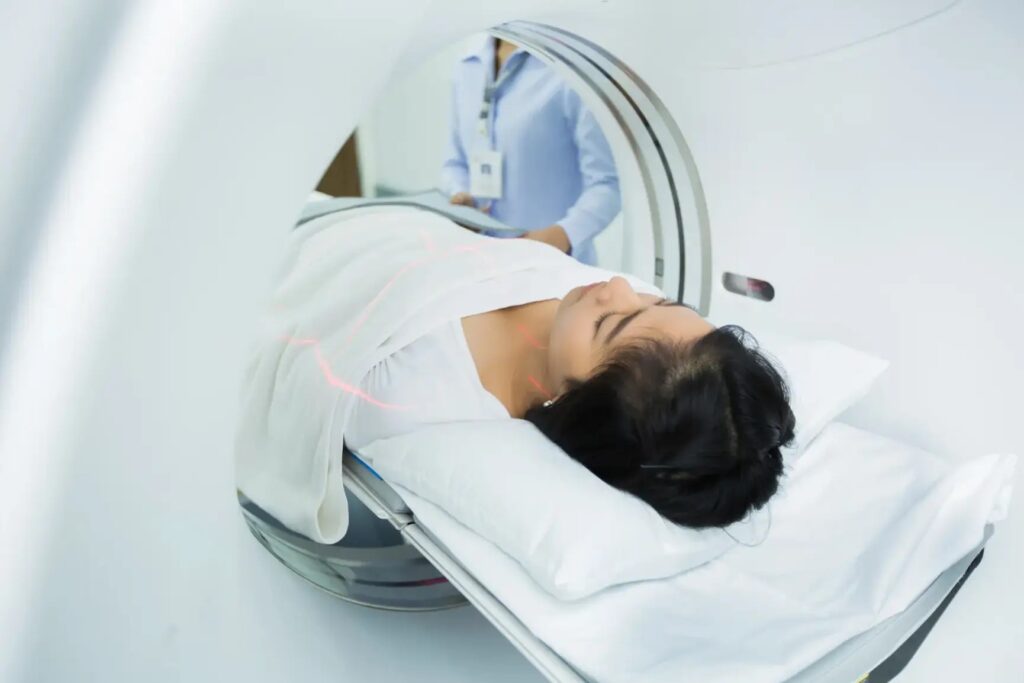
To determine if you have an arrhythmia, your doctor will perform several tests, including:

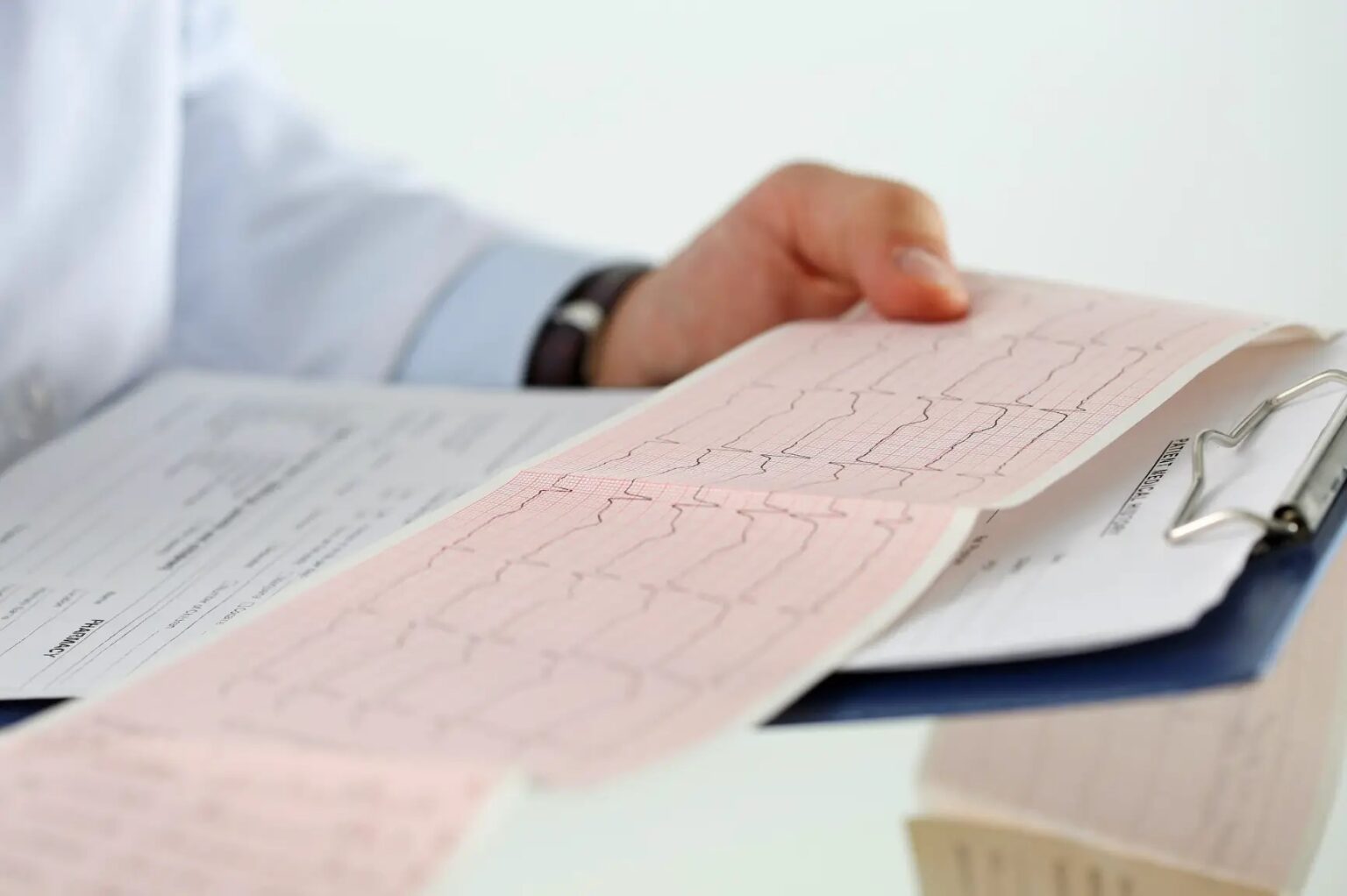
  • Electrocardiogram (ECG or EKG): A test that records your heart’s electrical activity to identify irregular rhythm irregularities.
  • Holter monitor: A portable device that records your heart’s activity for 24- to 48-hour.
  • Echocardiogram: An ultrasound of the heart to assess its structure and function.
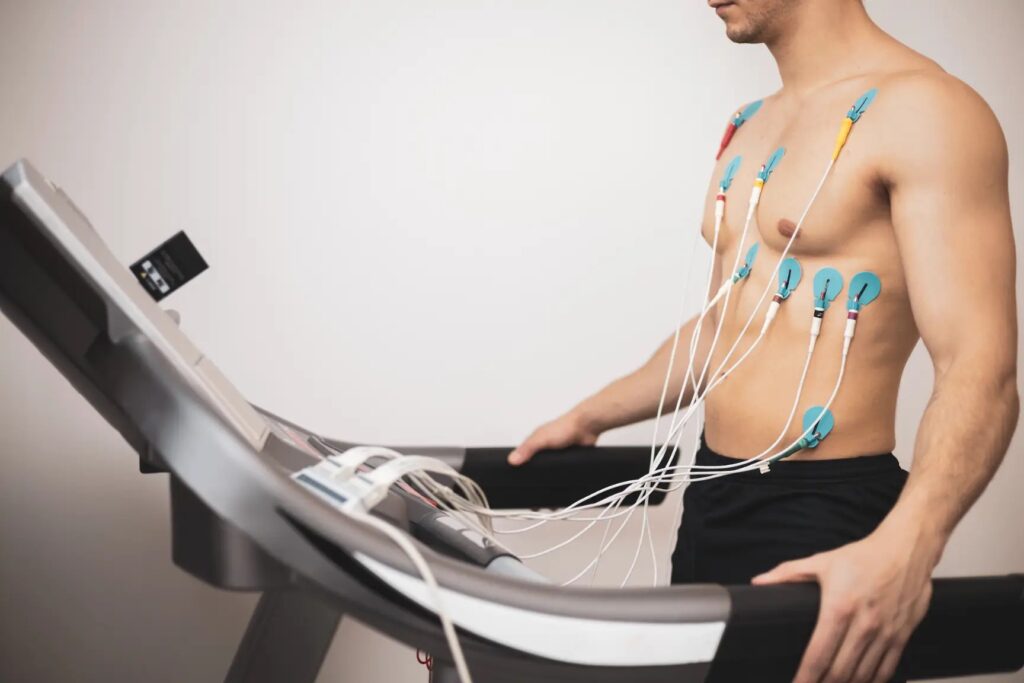
  • Stress test: A test that monitors your heart’s rhythm during physical activity.

Treatment for Heart Arrhythmia

Treatment for arrhythmia depends on the type and severity of the condition. Common treatment options include:

Treatment for heart arrhythmia
  • Medications: Anti-arrhythmic drugs may be prescribed to help regulate the heart’s rhythm.
  • Lifestyle changes: Reducing alcohol, caffeine, and stress, along with adopting a heart-healthy diet and exercise routine, can help manage arrhythmia.
  • Cardioversion: A procedure that uses electrical shocks to restore normal heart rhythm.
  • Ablation therapy: A catheter-based procedure that targets and destroys the tissue causing abnormal electrical signals.
  • Pacemaker: A small device implanted under the skin to help regulate the heart rate.
  • Implantable cardioverter-defibrillator (ICD): A device that monitors heart rhythm and delivers shocks if a dangerous arrhythmia is detected.

Complications of Heart Arrhythmias

If not treated properly, arrhythmias can lead to several serious complications, such as:

  • Stroke: Certain arrhythmias, like AFib, increase the risk of blood clots forming, which can travel to the brain and cause a stroke.
  • Heart failure: An irregular heartbeat can weaken the heart over time, leading to heart failure.
  • Sudden cardiac arrest: Some arrhythmias, particularly ventricular fibrillation, can cause the heart to stop suddenly.

Safe Driving Concerns

If you have an arrhythmia, you may be concerned about driving. Depending on the severity of your condition, arrhythmias can cause dizziness, fainting, or sudden loss of consciousness, which can impair your ability to drive safely. It’s important to follow your doctor’s advice regarding driving restrictions and to discuss any concerns about your condition.

Prevention of Heart Arrhythmia

While it may not be possible to prevent all arrhythmias, there are several steps you can take to reduce your risk:

  • Maintain a healthy weight: Excess weight can put stress on the heart and increase the risk of arrhythmias.
  • Exercise regularly: Physical activity can help strengthen the heart and improve overall cardiovascular health.
  • Eat a heart-healthy diet: Focus on foods that are rich in fiber, healthy fats, and lean proteins while limiting processed foods and sodium.
  • Avoid excessive alcohol and caffeine: Both can trigger arrhythmias.
  • Manage stress: Practice stress-relieving techniques like meditation, yoga, or deep breathing exercises.

Conclusion

An arrhythmia is an irregular heartbeat that can vary in severity. Early detection and treatment are key to managing the condition and reducing the risk of complications. If you notice any symptoms such as palpitations, dizziness, or fatigue, it’s important to seek medical attention for an accurate diagnosis. Treatment options are available to help control arrhythmia and improve quality of life, including lifestyle changes, medications, and advanced therapies like pacemakers and ablation procedures.

FAQs

What are the four symptoms of arrhythmia?

  • The four most common symptoms of arrhythmia are palpitations (fluttering heartbeats), dizziness or light-headedness, shortness of breath, and fatigue.

Is arrhythmia life-threatening?

  • Some types of arrhythmia can be life-threatening, especially if they lead to complications like stroke or sudden cardiac arrest. It’s important to seek treatment for any abnormal heart rhythms.

What are the bad symptoms of arrhythmia?

  • The more concerning symptoms of arrhythmia include chest pain, fainting, severe shortness of breath, and rapid or irregular heartbeats that don’t subside. If you experience these symptoms, seek emergency medical attention immediately.

By understanding the causes, symptoms, and treatment options for arrhythmia, you can take the necessary steps to manage this condition effectively. If you suspect you have an irregular heartbeat, don’t hesitate to contact us for guidance on the best treatment options.

Frame 1894

Dr. Kua Jieli

MBBS (SG)|MRCP (UK)|MMed (Internal Med) (SG)|FAMS (Cardiology, SG)

Dr. Kua is a senior consultant cardiologist specialised in interventional cardiology and is the medical director at Carrington Cardiology.

  • He is experienced in managing complex coronary artery disease and a variety of other cardiovascular diseases and conditions.
  • He also handles difficult coronary interventional procedures such as left main disease, chronic total occlusions, and calcified lesions.
  • He served as a Senior Consultant at National University Hospital Singapore and Ng Teng Fong General Hospital and was also the Director of the Cardiovascular Catheterisation Laboratory.

Prior to this, he served as an International Cardiology Fellow and Honorary Consultant at Hammersmith Hospital Imperial Healthcare Trust, where he gained valuable experience in various prestigious healthcare institutions.

Location Contact Background
Image location

Mount Elizabeth Medical Centre
3 Mount Elizabeth, #12-02 Medical Centre
Singapore 228510

Image time

Mon to Fri: 09:00am – 05:00pm
Sat: 09:00am – 12:30pm
Sun & Public Holidays: Closed

Get In Touch With Us

Leave us a message and we’ll get back to you shortly


    Full Name*

    Email Address*

    Phone Number*

    Your Message*

    For Faster Response, Call us!

    +65 6956 6588


    Image location

    Mount Elizabeth Medical Centre
    3 Mount Elizabeth, #12-02 Medical Centre
    Singapore 228510

    Image time

    Mon to Fri: 09:00am – 05:00pm
    Sat: 09:00am – 12:30pm
    Sun & Public Holidays: Closed

    Related Posts

    Stress Test & Exercise ECG in Singapore: What You Need to Know

    Heart health is vital for overall well-being, and understanding how your heart performs under stress

    Read More

    What Is a Coronary Calcium Score & How It Predicts Heart Disease Risk?

    Heart disease remains a leading cause of death worldwide, but with modern advancements in medicine,
    Read More

    Coronary Artery Disease: Symptoms, Causes and Risk Factors, Diagnosis, Treatments

    Coronary artery disease (CAD) is one of the leading causes of heart disease globally. As it con

    Read More

    Things You Can Do to Prevent Heart Disease and Stroke

    Every minute counts when it comes to heart health. Heart disease and stroke are serious health threa

    Read More

    Ambulatory Blood Pressure Monitoring: Benefits, Process, and Results

    Blood pressure plays a crucial role in heart health, but measurements taken in a clinic might not re

    Read More