


Coronary Artery Disease: Symptoms, Causes and Risk Factors, Diagnosis, Treatments
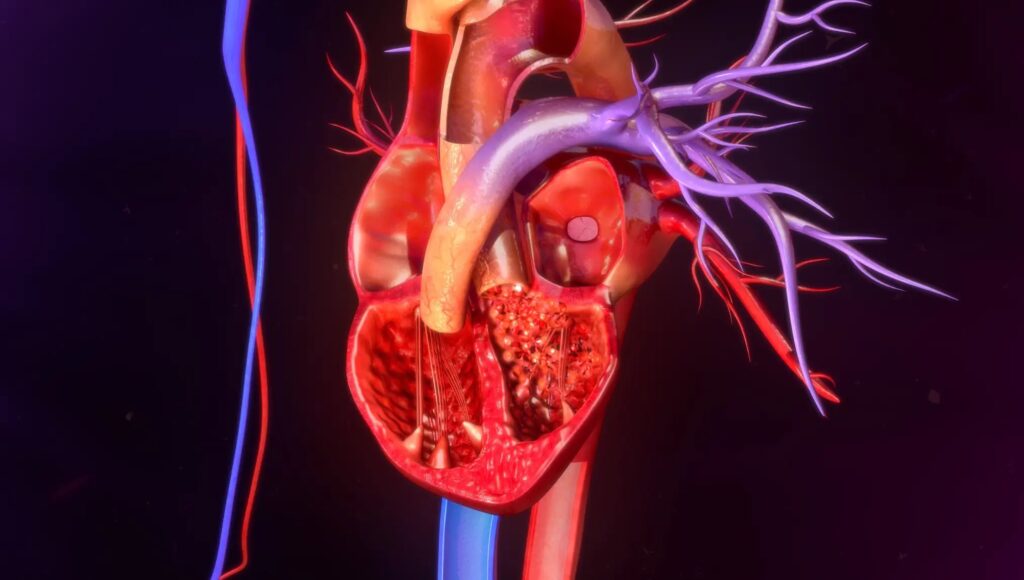
Coronary artery disease (CAD) is one of the leading causes of heart disease globally. As it con


Heart disease remains a leading cause of death worldwide, but with modern advancements in medicine, we now have tools to better understand our risk. The coronary calcium score is one of the most effective tests to assess heart disease risk. This non-invasive scan helps identify the presence of plaque buildup in the coronary arteries, offering valuable insights into your heart health.
The coronary calcium score is a critical tool for detecting atherosclerosis (the buildup of plaque in the arteries). A higher calcium score indicates more plaque, which can narrow and harden the arteries, raising the risk of heart attacks and other cardiovascular diseases. This test helps doctors assess your risk of heart disease early on, even before symptoms appear, allowing for more targeted and effective prevention or treatment strategies.
A specialised CT scan (computed tomography) of the heart determines a coronary calcium score. The scan detects calcium deposits in the coronary arteries. The score is then calculated based on the amount and density of calcium in the arteries. A higher calcium score suggests greater plaque and a higher risk of heart disease. The score typically ranges from 0 to several hundred or more.
The results of a coronary calcium scan are typically categorized as follows:
It’s important to note that while the score strongly predicts risk, other factors, such as lifestyle, family history, and blood tests, should also be considered when assessing overall heart health.
The coronary calcium score test is especially beneficial for individuals at intermediate risk of heart disease but do not have apparent symptoms. It can help doctors identify people who may benefit from preventative treatments such as lifestyle changes or medications. Those with a family history of heart disease, high blood pressure, high cholesterol, or diabetes may also benefit from this test, even if they are not yet experiencing symptoms.
One of the main advantages of a coronary calcium scan is that it requires very little preparation. However, it’s a good idea to wear comfortable clothing and avoid any jewellery or metal objects around the chest area. Depending on the clinic’s guidelines, you may be asked to refrain from eating or drinking for a few hours before the test, but there are no significant restrictions.
The coronary calcium score test uses a non-invasive CT scan and takes only a few minutes. You lie still on a table while the machine captures X-ray images of your heart. The test does not require a contrast dye or injections. To ensure clear images, you may need to hold your breath for a few seconds.
The frequency of coronary calcium scans depends on individual risk factors and your doctor’s advice. For those with a low score and no significant heart disease risk factors, doctors often recommend retesting in 5-10 years. Individuals with a high score or additional risk factors may require more frequent testing or further tests to monitor their heart health.
The coronary calcium score is a valuable and non-invasive test that provides essential insights into your heart health. Detecting the early stages of plaque buildup in the arteries helps doctors assess your risk of heart disease, enabling early intervention and personalised treatment. If you are concerned about your heart health or have risk factors for heart disease, reach out to us for a proactive step toward better cardiovascular health.


Dr. Kua is a senior consultant cardiologist specialised in interventional cardiology and is the medical director at Carrington Cardiology.
Prior to this, he served as an International Cardiology Fellow and Honorary Consultant at Hammersmith Hospital Imperial Healthcare Trust, where he gained valuable experience in various prestigious healthcare institutions.


Mount Elizabeth Medical Centre
3 Mount Elizabeth, #12-02 Medical Centre
Singapore 228510

Mon to Fri: 09:00am – 05:00pm
Sat: 09:00am – 12:30pm
Sun & Public Holidays: Closed
Leave us a message and we’ll get back to you shortly
Mount Elizabeth Medical Centre
3 Mount Elizabeth, #12-02 Medical Centre
Singapore 228510
Mon to Fri: 09:00am – 05:00pm
Sat: 09:00am – 12:30pm
Sun & Public Holidays: Closed
Coronary artery disease (CAD) is one of the leading causes of heart disease globally. As it con

Every minute counts when it comes to heart health. Heart disease and stroke are serious health threa

Blood pressure plays a crucial role in heart health, but measurements taken in a clinic might not re

Heart health is vital for overall well-being, and understanding how your heart performs under stress

Have you ever felt your heart flutter, race, or skip a beat? This sensation could be a sign of arrhy