
Ambulatory Blood Pressure Monitoring Singapore

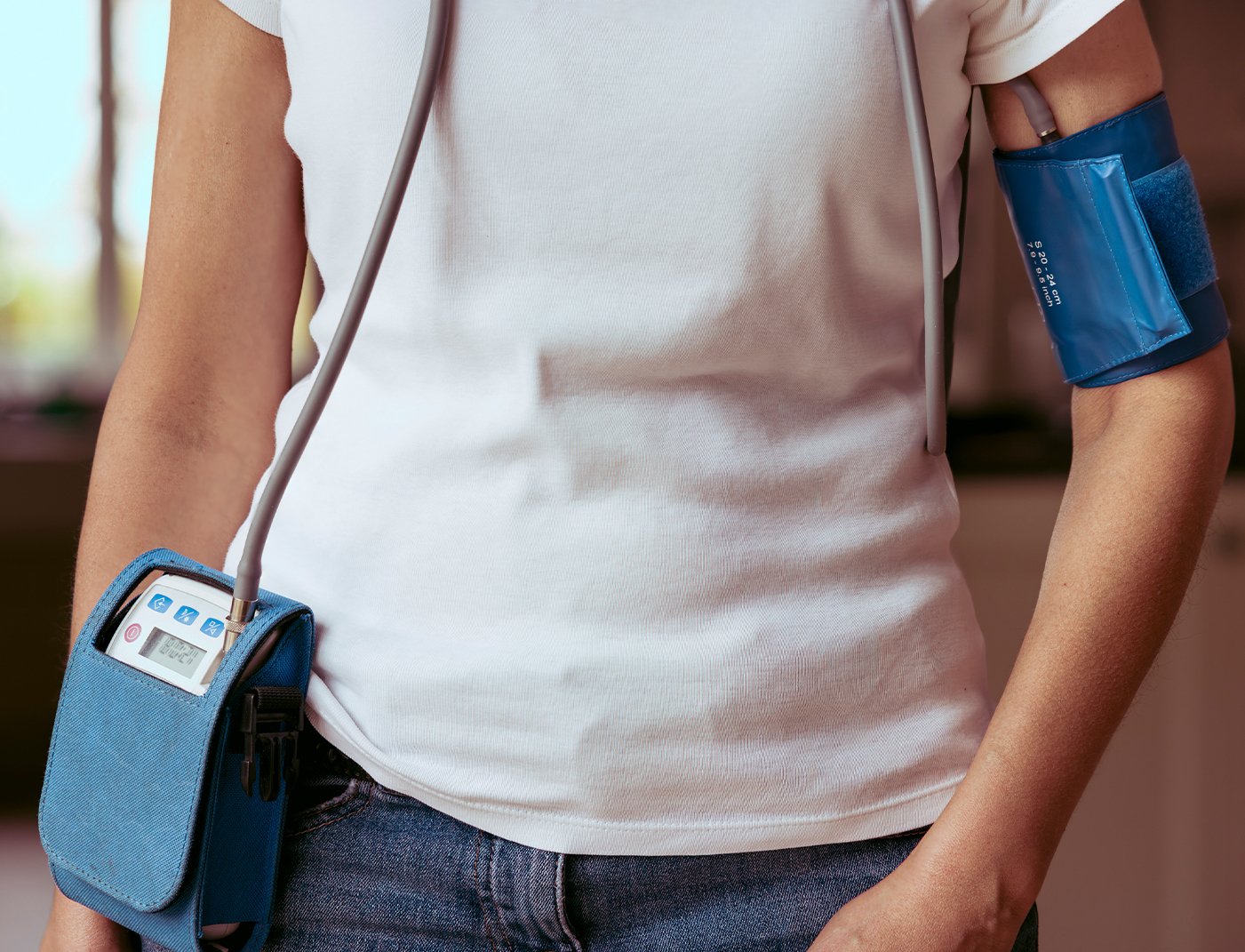
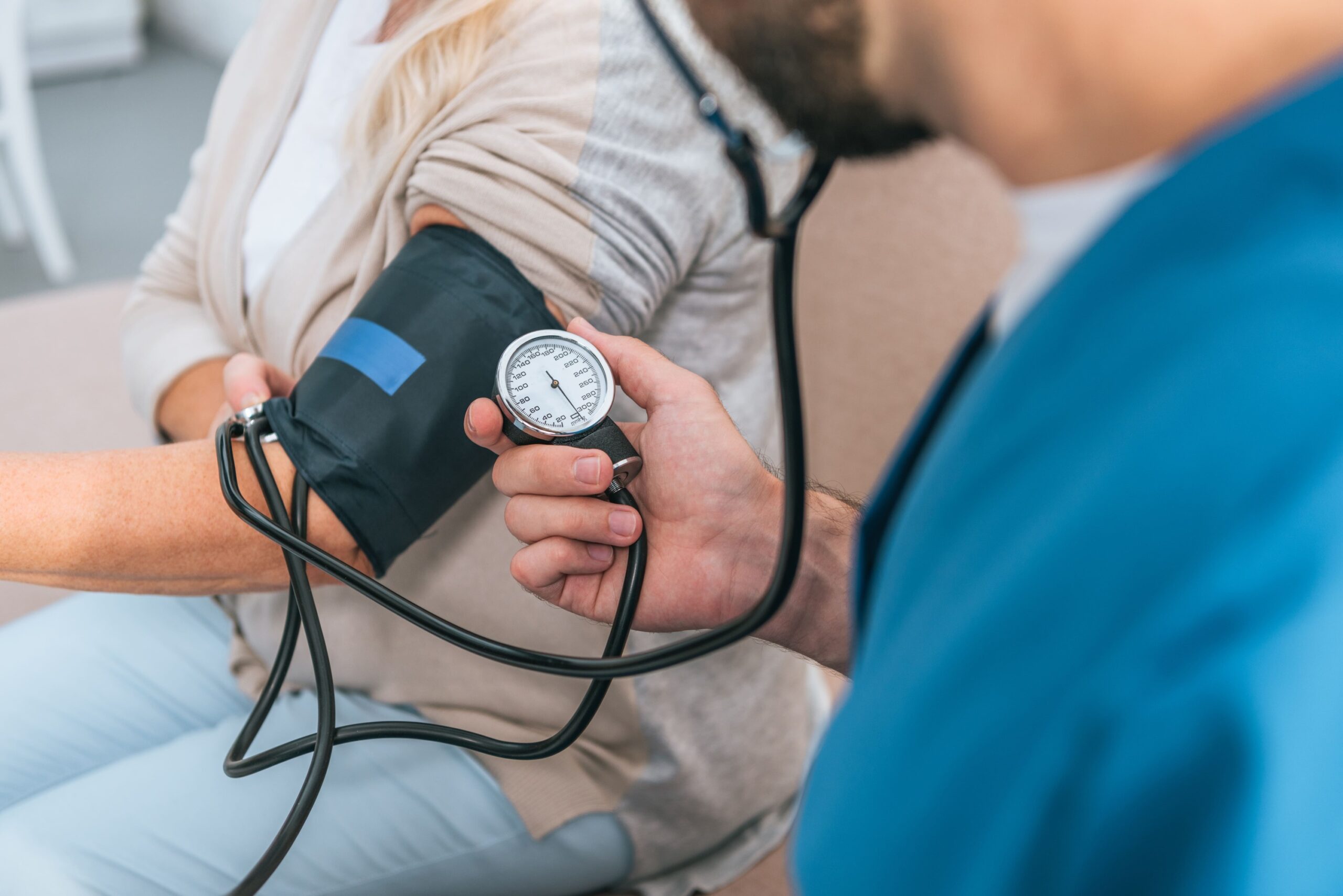
Ambulatory blood pressure monitoring involves wearing a small, portable device that automatically measures your blood pressure at regular intervals over 24 hours whilst you go about your normal daily activities. This test helps cardiologists accurately assess your blood pressure patterns in your usual environment, including during sleep.

doctor img
Dr. Kua Jieli

MBBS (SG)|MRCP (UK)|MMed (Internal Med) (SG)|FAMS (Cardiology, SG)

Image 12313 2 Image 12313 2
Image ABP indications

Indications for Ambulatory Blood Pressure Monitoring

Your cardiologist may recommend ambulatory blood pressure monitoring if clinic readings do not provide the full picture of your blood pressure. Common reasons include:

  • White coat hypertension: When your blood pressure readings are consistently high during clinic visits but you experience no symptoms at home. This occurs because some people naturally have elevated blood pressure in medical settings due to anxiety or stress.
  • Masked hypertension: When your clinic blood pressure readings appear normal, but you may have high blood pressure during daily activities. This condition can go undetected with standard monitoring methods and requires continuous assessment.
  • Borderline blood pressure readings: When your clinic measurements fall between normal and high ranges, making it difficult to determine whether treatment is needed. The 24-hour monitoring provides clearer evidence for clinical decision-making.
  • Assessing treatment response: When you’re taking blood pressure medication, your cardiologist needs to evaluate how well it’s working throughout the day.
  • Suspected nocturnal hypertension: When there are concerns about your blood pressure during sleep, as high nighttime blood pressure can increase cardiovascular risk.
  • Resistant hypertension: When your blood pressure remains high despite taking multiple medications, requiring detailed analysis of blood pressure patterns.

Benefits of Ambulatory Blood Pressure Monitoring

Ambulatory blood pressure monitoring provides more accurate and comprehensive data to guide your care. Benefits include:

  • More accurate diagnosis

    The continuous monitoring eliminates the uncertainty of single-point measurements taken in clinical settings. You receive a diagnosis based on hundreds of readings taken in your natural environment, leading to more appropriate treatment decisions.

  • Better treatment planning

    Your cardiologist can see exactly when your blood pressure is highest and lowest throughout the day, allowing for personalised medication timing. This targeted approach often leads to better blood pressure control with fewer side effects.

  • Reduced unnecessary treatment

    If you have white coat hypertension, the monitoring can prevent you from taking medication you may not actually need. This avoids potential side effects and the cost of unnecessary treatment.

  • Improved medication management

    The detailed data helps your cardiologist adjust your medication doses and timing to match your individual blood pressure patterns. This personalized approach often results in better overall blood pressure control.

  • Early detection of problems

    The monitoring can identify masked hypertension or nocturnal high blood pressure that might otherwise go unnoticed. Early detection allows for prompt treatment, potentially preventing future cardiovascular complications.

  • Comprehensive health assessment

    Having detailed data about your blood pressure patterns provides clear, objective information about your condition rather than relying on occasional clinic readings.


How Does Ambulatory Blood Pressure Monitoring Work?

The monitoring process uses specialised equipment designed to measure your blood pressure:

24-hour continuous monitoring

The device typically takes readings every 15-30 minutes during waking hours and every 30-60 minutes whilst you sleep. This frequency provides comprehensive data whilst allowing for adequate rest periods between measurements.

Preparing for Ambulatory Blood Pressure Monitoring

Medical evaluation

Your cardiologist will review your current medications and medical history to ensure the monitoring is appropriate for you.

Medication timing

Continue taking your regular blood pressure medications as prescribed unless your cardiologist specifically advises otherwise. The monitoring is designed to assess how well your current treatment regimen is working throughout the day.

Clothing considerations

Wear loose-fitting clothing with sleeves that can be easily rolled up above your elbow for cuff placement.

Activity planning

Plan to maintain your normal daily routine during the monitoring period, as this provides the most accurate representation of your typical blood pressure patterns. Avoid scheduling strenuous exercise or unusually stressful activities during the monitoring day.

Diary preparation

You may record your activities, sleep times, meals, and any symptoms you experience. Keeping accurate records helps your cardiologist interpret the blood pressure readings in context.

What To Expect During Ambulatory Blood Pressure Monitoring

The ambulatory blood pressure monitoring process is straightforward and takes place primarily in your own environment.


Device fitting
Your cardiologist will fit the monitoring cuff around your upper arm and connect it to a small recording device, usually worn on a belt or shoulder strap. The cuff placement will be checked to ensure proper fit and comfort for the 24-hour monitoring period.
Initial calibration
The device will take several test readings whilst you’re seated quietly to ensure accurate calibration with your blood pressure. You’ll be shown how the device operates and what to expect when it takes automatic readings throughout the day.
Instructions and diary
You’ll receive clear instructions about wearing the device and keeping your activity diary during the monitoring period. Your cardiologist will explain what to do if you experience any problems with the equipment during the 24 hours.
Monitoring period
You’ll go about your normal daily activities whilst wearing the device, which will automatically take blood pressure readings at predetermined intervals. The cuff will inflate periodically, take a reading, and then deflate – this process typically takes less than a minute each time.
Device removal
You’ll return to the clinic after 24 hours to have the device removed and the data downloaded for analysis. Your cardiologist will schedule a follow-up appointment to discuss the results and any treatment recommendations based on your blood pressure patterns.

After Care

Immediate Care
  • Device removal: Once the 24-hour monitoring period is complete, you’ll return to the clinic where a healthcare professional will remove the cuff and recording device. There are no special aftercare requirements following device removal, and you can immediately return to all normal activities.
  • Activity diary submission: If you have recorded your activity in a simple diary, you may hand in along with the monitoring device so your cardiologist can correlate your blood pressure readings with your daily activities. This information helps with accurate interpretation of your results.
Follow-up Care
  • Results consultation: Your cardiologist will typically schedule a follow-up appointment within 1-2 weeks to discuss your blood pressure monitoring results. This consultation allows for detailed review of your blood pressure patterns and discussion of any treatment adjustments..
  • Treatment planning: Based on your monitoring results, your cardiologist may recommend changes to your medication timing, dosages, or lifestyle modifications. Follow-up monitoring may be suggested in some cases to assess treatment response over time.

Are your symptoms affecting your quality of life?

Consult our MOH-accredited specialist for a comprehensive diagnosis & personalised treatment plan today.

cta img 2

Potential Risks and Complications

Ambulatory Blood Pressure Monitoring is non-invasive. The most common issues include temporary skin irritation from the cuff or adhesive tape, and minor sleep disruption during nighttime measurements. Some patients experience mild discomfort when the cuff inflates, particularly during the first few readings as they adjust to the sensation. These minor effects typically resolve quickly and do not require treatment.

A consultation with a qualified cardiologist in Singapore can help determine if this test is suitable for you and address any concerns you may have before the procedure.

Frequently Asked Questions (FAQs)

Can I shower or bathe whilst wearing the monitoring device?

You’ll need to avoid getting the monitoring device wet, so showers and baths are not possible during the 24-hour period. You can use wet wipes or a flannel for basic hygiene, and many patients find it helpful to schedule their monitoring to begin after their usual morning shower.

Will the nighttime readings disturb my sleep?

The monitor takes readings less frequently whilst you sleep, and most patients adjust quickly to the sensation. If you’re a particularly light sleeper, you might consider taking the monitoring device home on a Friday so any sleep disruption doesn’t affect your work week.

What happens if I forget to record something in my diary?

Don’t worry if you miss occasional entries – the most helpful information includes sleep and wake times, meals, and any unusual activities or symptoms. Your cardiologist can still interpret the blood pressure data even if some diary entries are incomplete.

Can I exercise normally during the monitoring period?

You can continue light to moderate exercise, but avoid intense workouts that might dislodge the cuff or cause excessive sweating around the device. Walking, gentle cycling, and household activities are perfectly fine during the monitoring period.

How long will it take to get my results?

Your cardiologist typically reviews the downloaded data within a few days and will discuss the results with you at your follow-up appointment, usually scheduled within 1-2 weeks of completing the monitoring.

Frame 1894

Dr. Kua Jieli

MBBS (SG)|MRCP (UK)|MMed (Internal Med) (SG)|FAMS (Cardiology, SG)

Dr. Kua is a senior consultant cardiologist specialised in interventional cardiology and is the medical director at Carrington Cardiology.

  • He is experienced in managing complex coronary artery disease and a variety of other cardiovascular diseases and conditions.
  • He also handles difficult coronary interventional procedures such as left main disease, chronic total occlusions, and calcified lesions.
  • He served as a Senior Consultant at National University Hospital Singapore and Ng Teng Fong General Hospital and was also the Director of the Cardiovascular Catheterisation Laboratory.

Prior to this, he served as an International Cardiology Fellow and Honorary Consultant at Hammersmith Hospital Imperial Healthcare Trust, where he gained valuable experience in various prestigious healthcare institutions.

Location Contact Background
Image location

Mount Elizabeth Medical Centre
3 Mount Elizabeth, #12-02 Medical Centre
Singapore 228510

Image time

Mon to Fri: 09:00am – 05:00pm
Sat: 09:00am – 12:30pm
Sun & Public Holidays: Closed

Get In Touch With Us

Leave us a message and we’ll get back to you shortly


    Full Name*

    Email Address*

    Phone Number*

    Your Message*

    For Faster Response, Call us!

    +65 6956 6588


    Image location

    Mount Elizabeth Medical Centre
    3 Mount Elizabeth, #12-02 Medical Centre
    Singapore 228510

    Image time

    Mon to Fri: 09:00am – 05:00pm
    Sat: 09:00am – 12:30pm
    Sun & Public Holidays: Closed