Chest Pain and Discomfort Singapore

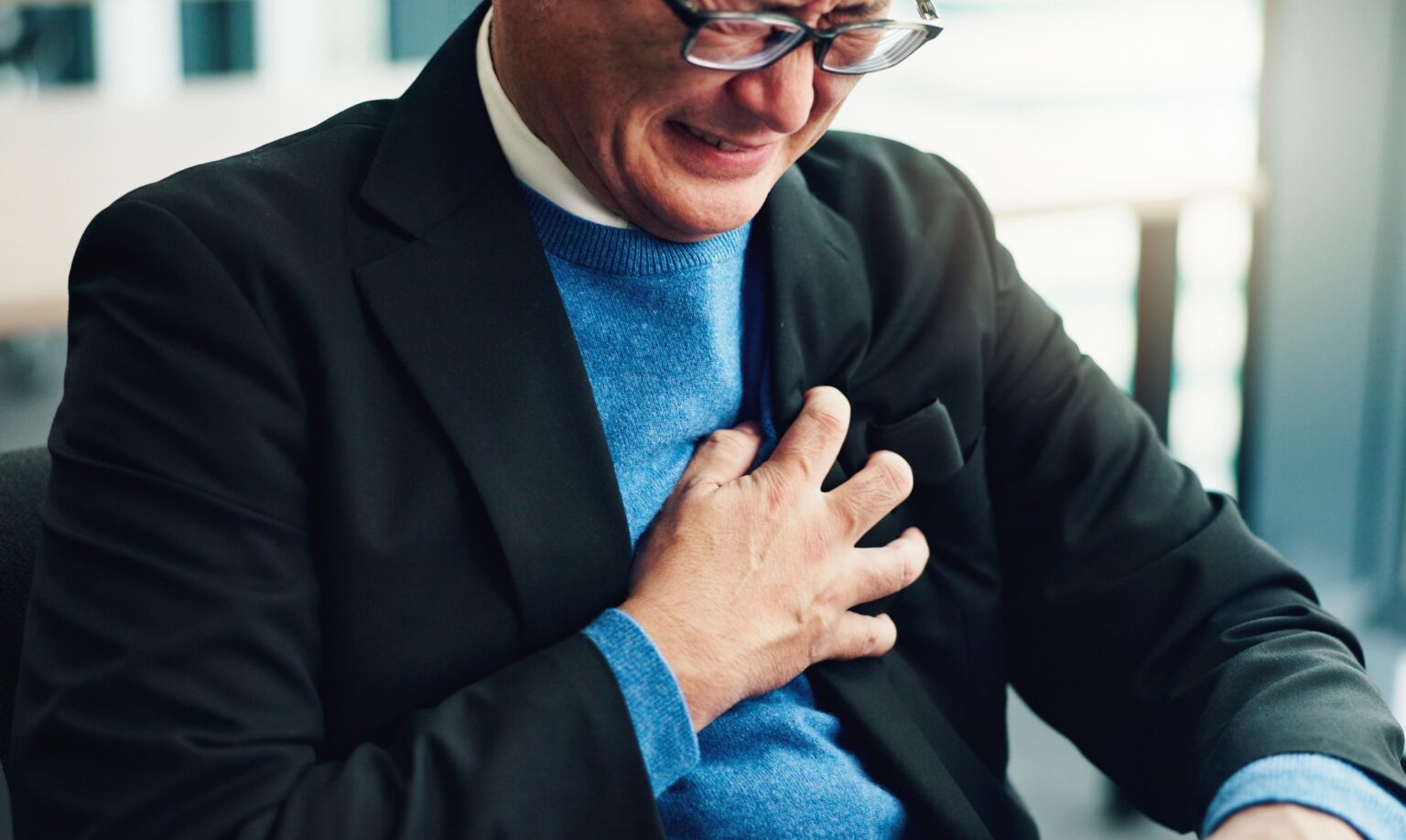
Chest pain and discomfort refer to any unpleasant sensation experienced between the neck and upper abdomen. This symptom can range from a mild ache to sharp, severe pain that may come and go or persist. Chest discomfort varies between individuals and may stem from heart conditions, lung problems, muscle strain, or digestive issues.

doctor img
Dr. Kua Jieli

MBBS (SG)|MRCP (UK)|MMed (Internal Med) (SG)|FAMS (Cardiology, SG)

Image Carrington chest pain

Symptoms of Chest Pain

Chest pain symptoms depend on the cause.

Heart-related chest pain

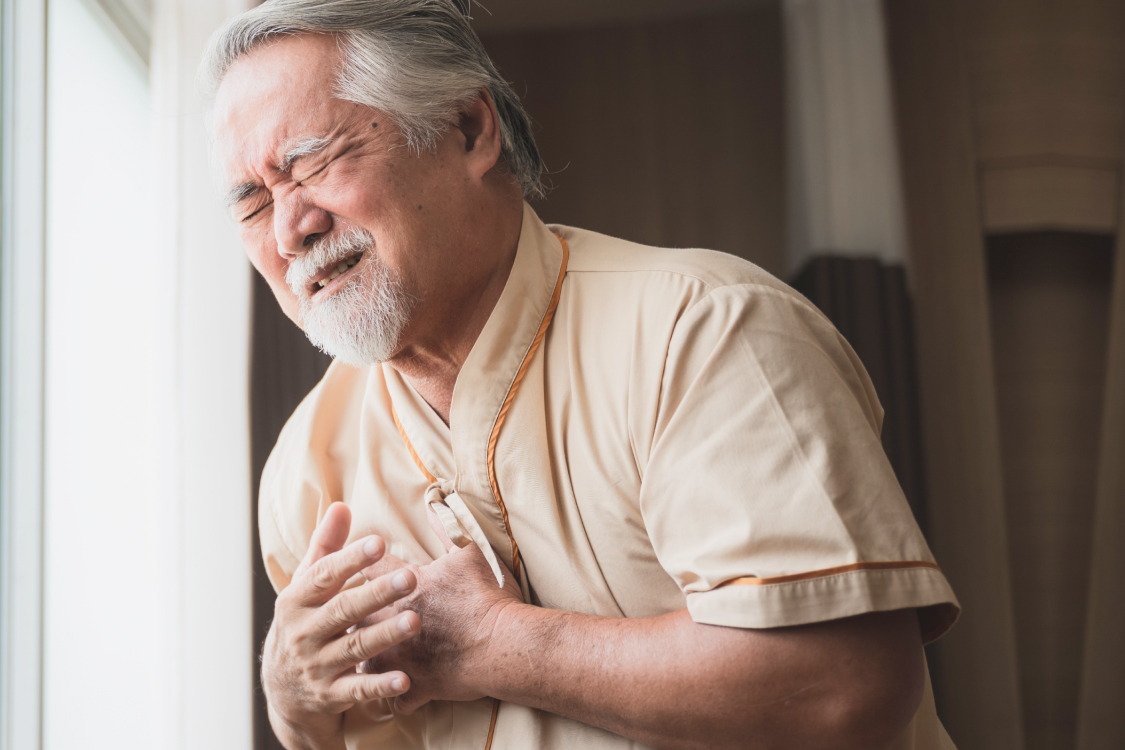
Chest pain is often related to heart disease. Chest pain symptoms due to a heart attack or another heart condition may include:

  • Pressure, tightness, pain, squeezing or aching in the chest
  • Pain that spreads to the shoulder, arm, back, neck, jaw, teeth or upper belly
  • Shortness of breath
  • Fatigue
  • Heartburn or indigestion
  • Cold sweats
  • Lightheadedness
  • Fast heartbeat
  • Nausea

Other types of chest pain

It can be hard to tell if chest pain is due to a heart condition or something else. Usually, chest pain is less likely due to a heart condition if it happens with:

  • A sour taste or a feeling of food coming back up into the mouth.
  • Trouble swallowing.
  • Pain that gets better or worse when you change body position.
  • Pain that gets worse when you breathe deeply or cough.
  • Tenderness when you push on your chest.
  • Pain that continues for many hours or days.

The classic symptoms of heartburn — a painful, burning sensation behind the breastbone — can be due to a health condition affecting the heart or the stomach.

Causes of Chest Pain

Chest pain has many possible causes.

Heart and blood vessel causes

Some heart-related causes of chest pain are:

  • Angina. This is any chest pain due to reduced blood flow to the heart muscle. It is often described as squeezing, pressure, heaviness, tightness or pain in the chest. Angina is a symptom of coronary artery disease. Unstable angina can cause a heart attack or near heart attack.
  • Heart attack. A heart attack happens when blood flow to the heart muscle is blocked. It can cause angina chest pain. Emergency treatment is needed for a heart attack to prevent death.
  • Aortic dissection. This life-threatening condition involves the body’s main artery, called the aorta. If the inner layers of the aorta separate, blood is forced between the layers. This can cause the aorta to rupture.
  • Inflammation of the sac around the heart, called pericarditis. This condition usually causes sharp pain that gets worse when taking a breath or lying down.
Digestive causes

Chest pain can be caused by diseases or disorders of the digestive system, including:

  • Gastroesophageal reflux disease (GERD). In this condition, stomach acid washes up from the stomach into the tube that connects the throat to the stomach. That tube is called the esophagus. GERD can cause a burning feeling in the chest, called heartburn.
  • Swallowing disorders. Diseases that affect the esophagus can make swallowing difficult and even painful. This may lead to chest pain.
  • Gallbladder or pancreas disease. Gallstones or inflammation of the gallbladder or pancreas can cause stomach pain that spreads to the chest.
Lung-related causes

Many lung conditions can cause chest pain, including:

  • A blood clot in the lung, called a pulmonary embolism. A blood clot that gets stuck in a lung artery can block blood flow to lung tissue. Symptoms of a pulmonary embolism may feel like a heart attack.
  • Irritation of the thin layers of tissue that separate your lungs from your chest wall, called pleurisy. This condition causes sharp chest pain that gets worse when you breathe in or cough.
  • Collapsed lung. A collapsed lung happens when air leaks into the space between the lung and the ribs. It also is called a pneumothorax. Chest pain due a collapsed lung typically starts suddenly. It can last for hours. It usually causes shortness of breath.
  • High blood pressure in the lung arteries, called pulmonary hypertension. This condition affects the arteries carrying blood to the lungs. It can cause chest pain or pressure.
Muscle and bone causes

Some types of chest pain are due to injury or damage to the structures that make up the chest wall. These conditions include:

  • Costochondritis. This is inflammation of the cartilage that connects a rib to the breastbone. It can cause chest pain that might feel like a heart attack. The pain is most commonly felt on the left-hand side of the body.
  • Injured ribs. A bruised or broken rib can cause chest pain.
  • Long-term pain syndromes. Conditions such as fibromyalgia, which can make muscles sore, may cause long-term pain that affects the chest area.
Other causes

Chest pain also can be caused by:

  • Panic attack. If you feel intense fear with chest pain, you may be having a panic attack. Panic attack symptoms also include a fast, pounding heartbeat, fast breathing, a lot of sweating, shortness of breath, nausea and dizziness. It can be hard to tell the difference between a heart attack and a panic attack. Always get medical help if you aren’t sure of the cause of chest pain.
  • Shingles. This is an infection caused by the varicella-zoster virus — the same virus that causes chickenpox. It can cause very bad pain and a band of blisters from the back around to the chest area.
  • Nerve pain. Some people with pinched nerves in the middle back may feel chest pain.

Diagnostic Methods

Determining the cause of chest pain involves a systematic approach using approved tests and examinations to assess heart function and identify the underlying condition.

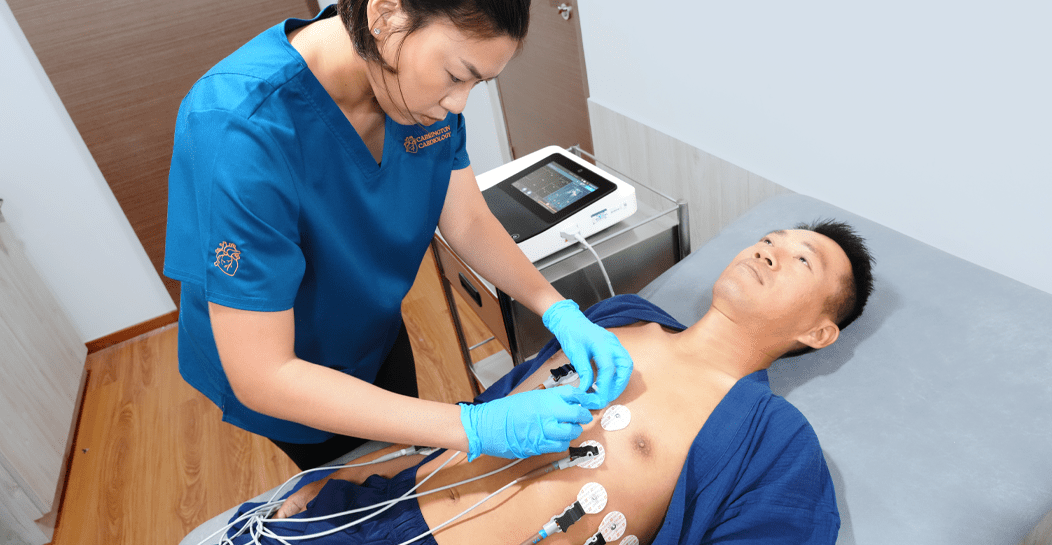
Electrocardiogram (ECG)

This test records the electrical activity of your heart using electrodes placed on your chest and limbs. It can detect irregular heart rhythms, signs of heart attack, or other electrical problems with the heart.

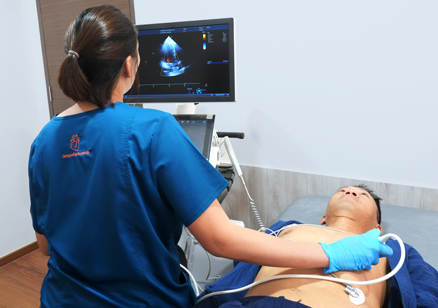
Transthoracic echocardiogram (TTE)

An ultrasound scan that produces images of your heart, allowing assessment of heart structure, function, and potential causes of chest pain.

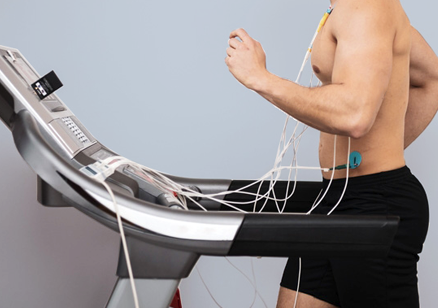
Exercise treadmill ECG

A monitored test where you walk on a treadmill while your heart rate, blood pressure, and ECG are recorded to assess how your heart responds to physical activity.

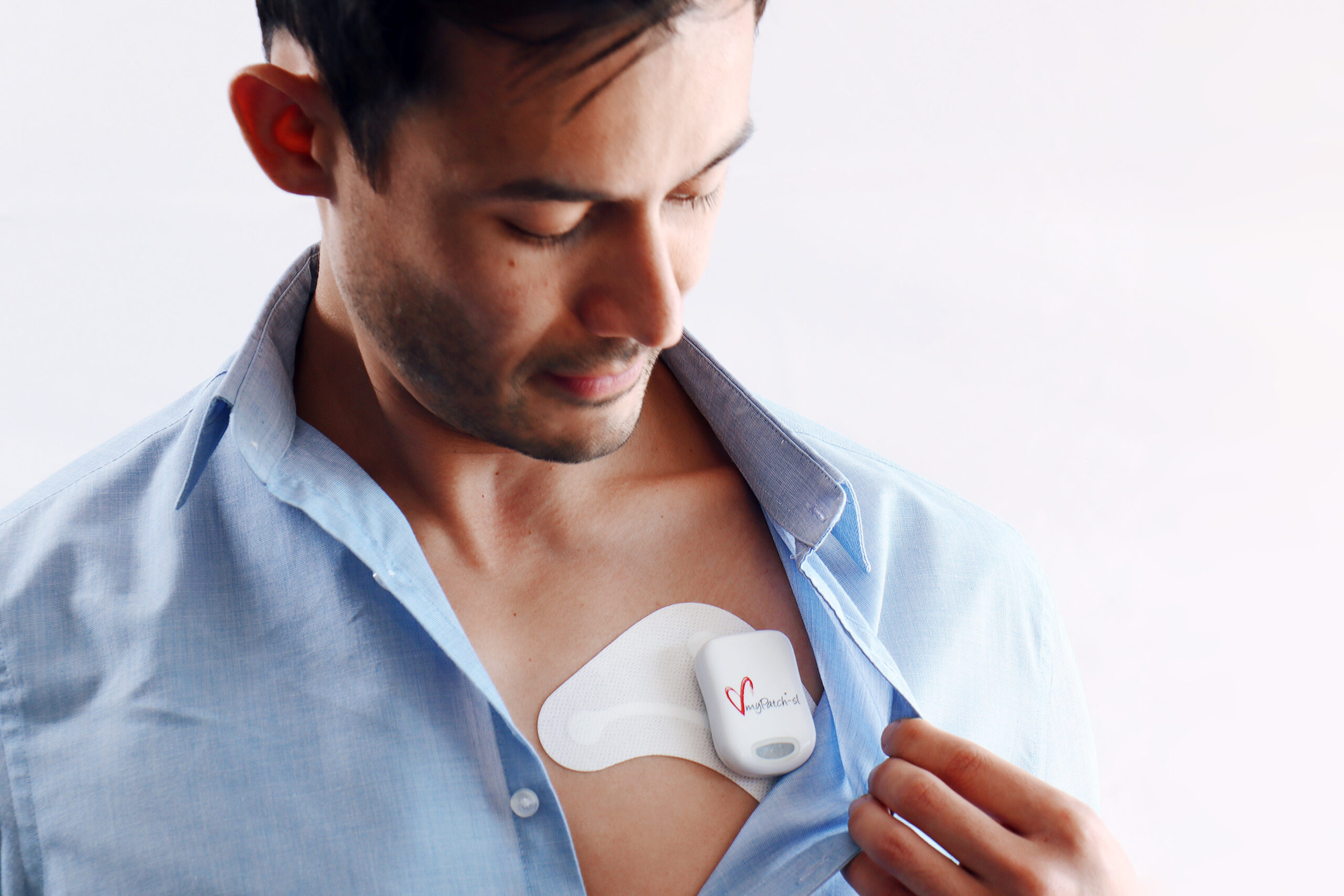
Holter monitoring

A portable device worn for 24 hours or longer that continuously records your heart’s electrical activity during normal daily activities.

Treatment for Chest Pain and Discomfort in Singapore

Non-Surgical Treatment

Many cases of chest pain related to heart conditions can be managed without surgery. Non-surgical treatments focus on relieving symptoms, improving blood flow, and reducing strain on the heart.

  • Medication management: Your cardiologist may prescribe medications such as anti-anginal drugs, blood pressure medications, or cholesterol-lowering agents to help improve blood flow, reduce heart strain, and prevent chest pain episodes.
  • Lifestyle modifications: Making heart-healthy lifestyle changes can significantly reduce chest discomfort. This includes following a balanced diet, engaging in regular physical activity, stopping smoking, managing stress, and maintaining a healthy weight.
  • Cardiac rehabilitation: A supervised programme of exercise, education, and support designed to strengthen your heart, improve circulation, and reduce the risk of recurrent chest pain or other heart-related symptoms.
Surgical Treatment

When medications and lifestyle changes aren’t sufficient, surgical procedures can restore proper blood flow to the heart and alleviate chest pain symptoms.

  • Coronary angioplasty: A procedure that opens blocked or narrowed arteries using a small balloon inserted through a catheter. A tiny metal mesh tube called a stent is often placed to keep the artery open permanently.
  • Pacemaker insertion: A surgical procedure to implant a small electronic device that helps regulate abnormal heart rhythms. The pacemaker sends electrical impulses to maintain a steady, appropriate heart rate.

Are your symptoms affecting your quality of life?

Consult our MOH-accredited specialist for a comprehensive diagnosis & personalised treatment plan today.

cta img 2

Prevention and Management

Preventing chest pain involves maintaining good heart health through regular physical activity, following a heart-healthy diet low in saturated fats and rich in fruits and vegetables, managing stress, and avoiding tobacco. Taking prescribed medications, regularly monitoring blood pressure and cholesterol levels, and maintaining a healthy weight can all reduce the risk of chest pain.

When to See a Cardiologist in Singapore

It is important to see a cardiologist if you experience any of the following:

  • Chest pain during physical activity or stress
  • Chest discomfort that lasts longer than a few minutes
  • Pain that spreads to the arms, neck, jaw, or back
  • Chest pain accompanied by shortness of breath, sweating, or nausea
  • Changes in the pattern, intensity, or frequency of your chest pain

A cardiologist can assess your heart health, determine the underlying cause of your symptoms, and recommend the most appropriate treatment or preventive care.

Frequently Asked Questions (FAQs)

When should I seek immediate medical attention for chest pain?

Seek emergency care if you experience severe chest pain, pain that spreads to your arms or jaw, chest pain with sweating or nausea, or any chest discomfort that feels different from previous episodes. These symptoms may indicate a heart attack or other serious condition requiring immediate treatment.

Can I continue my normal activities if I have occasional chest pain?

This depends on the underlying cause and severity of your chest pain, which should be evaluated by a cardiologist. Some people may need to limit certain activities until their condition is properly diagnosed and treated.

Will I need to take medication for the rest of my life?

The duration of treatment varies depending on the cause of your chest pain and your individual health situation. Some people may need long-term medication, whilst others might require treatment only temporarily as their condition improves.

How can I tell if my chest pain is related to my heart or another cause?

Chest pain related to the heart often occurs with physical activity or stress and may be accompanied by sweating, nausea, or pain spreading to the arms, jaw, or back. However, only a medical evaluation can confirm the cause.

What should I do if my chest pain medicine stops working?

Contact your cardiologist if your prescribed medication becomes less effective or if your symptoms change in pattern or intensity. Adjustments to your treatment plan may be needed to maintain symptom control.

Frame 1894

Dr. Kua Jieli

MBBS (SG)|MRCP (UK)|MMed (Internal Med) (SG)|FAMS (Cardiology, SG)

Dr. Kua is a senior consultant cardiologist specialised in interventional cardiology and is the medical director at Carrington Cardiology.

  • He is experienced in managing complex coronary artery disease and a variety of other cardiovascular diseases and conditions.
  • He also handles difficult coronary interventional procedures such as left main disease, chronic total occlusions, and calcified lesions.
  • He served as a Senior Consultant at National University Hospital Singapore and Ng Teng Fong General Hospital and was also the Director of the Cardiovascular Catheterisation Laboratory.

Prior to this, he served as an International Cardiology Fellow and Honorary Consultant at Hammersmith Hospital Imperial Healthcare Trust, where he gained valuable experience in various prestigious healthcare institutions.

Location Contact Background
Image location

Mount Elizabeth Medical Centre
3 Mount Elizabeth, #12-02 Medical Centre
Singapore 228510

Image time

Mon to Fri: 09:00am – 05:00pm
Sat: 09:00am – 12:30pm
Sun & Public Holidays: Closed

Get In Touch With Us

Leave us a message and we’ll get back to you shortly


    Full Name*

    Email Address*

    Phone Number*

    Your Message*

    For Faster Response, Call us!

    +65 6956 6588


    Image location

    Mount Elizabeth Medical Centre
    3 Mount Elizabeth, #12-02 Medical Centre
    Singapore 228510

    Image time

    Mon to Fri: 09:00am – 05:00pm
    Sat: 09:00am – 12:30pm
    Sun & Public Holidays: Closed