
Coronary Angiogram & Angioplasty Singapore

A coronary angiogram is a specialised X-ray test that allows your cardiologist to examine the blood vessels that supply your heart. If blockages are found, angioplasty may be performed immediately to open the narrowed arteries using a small balloon and, if needed, a stent (a tiny mesh tube) to keep the artery open. This helps restore blood flow to your heart and reduce symptoms such as chest pain.

doctor img
Dr. Kua Jieli

MBBS (SG)|MRCP (UK)|MMed (Internal Med) (SG)|FAMS (Cardiology, SG)

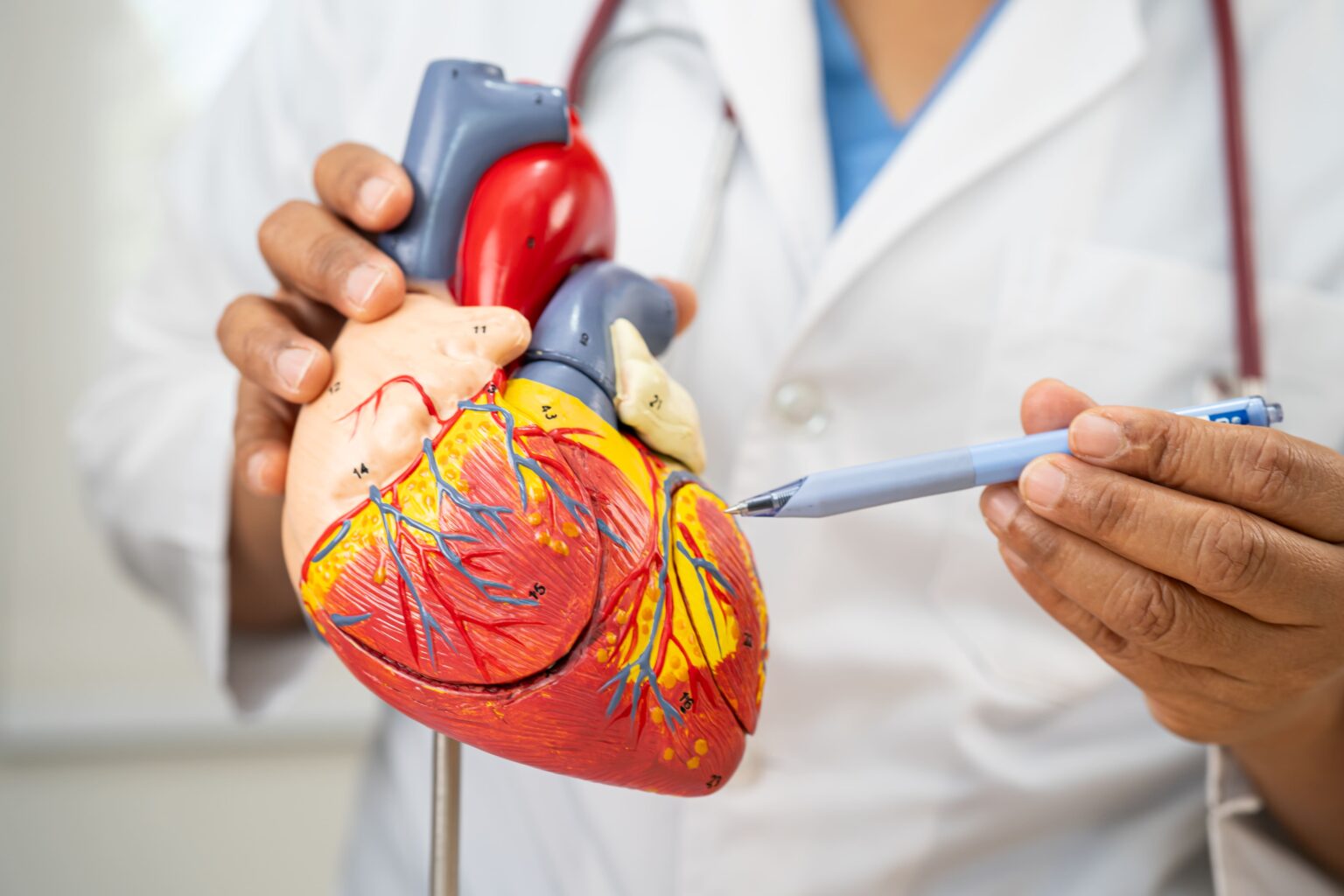
Image cardiovascular disease cvd asian doctor holding h 2025 03 30 07 10 25 utc

Indications for Coronary Angiogram and Angioplasty

Your cardiologist may recommend a coronary angiogram and potential angioplasty for several reasons:

  • Chest pain or angina that doesn’t respond to medication

    This procedure helps determine whether blocked arteries are causing your symptoms and can provide immediate treatment if needed.

  • Heart attack or suspected heart attack

    An emergency angiogram can quickly identify blocked arteries and restore blood flow to prevent further damage to your heart muscle.

  • Abnormal stress test results

    When exercise or medication stress tests suggest reduced blood flow to your heart, an angiogram provides detailed images to confirm the diagnosis.

  • Shortness of breath with heart failure symptoms

    The procedure can identify whether blocked coronary arteries are contributing to your heart’s reduced pumping ability.

  • Unexplained chest pain

    When other tests haven’t determined the cause of your chest discomfort, an angiogram can rule out coronary artery disease.

  • Follow-up after previous heart procedures

    Regular monitoring may be needed to check the condition of previously placed stents or bypassed arteries.


Benefits of Coronary Angiogram and Angioplasty

The potential benefits can help you make an informed decision about your cardiac care:

Accurate diagnosis of coronary artery disease

The procedure provides the most detailed view of your coronary arteries, allowing your cardiologist to see exactly where and how severe any blockages are.

Immediate treatment of blocked arteries

If significant blockages are found during the angiogram, angioplasty can be performed straight away to restore blood flow without requiring a separate procedure.

Prevention of future heart attacks

By treating significant blockages before they cause complete artery closure, the procedure can reduce your risk of experiencing a heart attack.

Less invasive than open heart surgery

For many patients, angioplasty offers an alternative to bypass surgery, with smaller incisions, shorter recovery times, and reduced surgical risks.

Quick recovery and return to normal activities

Most patients can return home the same day or after an overnight stay, and resume normal activities within a few days to a week.

Coronary Angiogram and Angioplasty Techniques in Singapore

Your cardiologist will choose the most appropriate method based on your specific condition and the location of any blockages. Below is a breakdown of the approaches and technologies used during coronary angioplasty procedures.

Angiogram and Angioplasty Approaches

1. Radial Artery Approach (through the wrist)

The catheter is inserted through a small puncture in your wrist artery, which typically results in greater comfort and allows you to sit up immediately after the procedure.

2. Femoral Artery Approach (through the groin)

Access is gained through the larger artery in your groin, which may be preferred for complex procedures or when larger equipment is needed.

Angioplasty Technology

1. Balloon Angioplasty

A tiny balloon is inflated inside the blocked artery to compress the plaque against the artery wall and restore blood flow.

  • Drug-Eluting Balloons: These balloons are coated with medication that is released directly into the artery wall during inflation. The drug helps reduce inflammation and prevents re-narrowing of the artery after treatment.
  • Cutting Balloon Angioplasty: For particularly hard or calcified blockages, a special balloon with tiny blades may be used to create controlled cuts in the plaque before standard balloon inflation.

2. Stent Placement

A small mesh tube is positioned in the opened artery to keep it from narrowing again.

  • Drug-Eluting Stents: These stents are coated with medication that slowly releases over time to reduce the risk of the artery becoming blocked again.
  • Resorbable Stents: These are temporary stents made from materials that gradually dissolve and are absorbed by the body after the artery has healed. They provide short-term support without leaving a permanent implant.
  • Biodegradable Stents: Similar to resorbable stents, biodegradable stents are designed to naturally break down in the body over time. They are intended to reduce long-term complications that may arise from permanent metal stents.
Image coronary prep

Preparing for Coronary Angiogram and Angioplasty

Your cardiologist will provide specific instructions to ensure your procedure goes smoothly:

  • Medical evaluation and tests: You’ll have blood tests, an ECG, and possibly a chest X-ray to assess your overall health and kidney function before the procedure.
  • Medication review: Your cardiologist will review all your current medications and may ask you to stop certain blood-thinning medications or diabetes drugs for a specified period before your appointment.
  • Fasting instructions: You’ll need to avoid eating or drinking anything for 6-8 hours before your procedure, though you may be allowed small sips of water with any approved medications.
  • Arrangements for transport: You’ll need someone to drive you home after the procedure, as you won’t be able to drive for at least 24 hours following the treatment.
  • Allergy information: Inform your medical team about any allergies, particularly to iodine, shellfish, or contrast dye, as these may affect the type of contrast material used.

Step-by-Step Procedure

The following stages occur during your procedure:

Local anaesthesia

A local anaesthetic is injected at the insertion site (wrist or groin) to numb the area, though you’ll remain awake and able to communicate with your medical team.

Catheter insertion and positioning

A thin, flexible tube is inserted through the artery and carefully guided to your heart using X-ray imaging, which you may see on monitors in the room.

Contrast injection and imaging

A special dye is injected through the catheter to make your coronary arteries visible on X-ray, allowing your cardiologist to identify any blockages or narrowing.

Angioplasty treatment (if needed)

If blockages are found, a balloon catheter is positioned at the narrowed area and inflated to open the artery, followed by stent placement if required.

Final imaging and catheter removal

Additional contrast images confirm that blood flow has been restored before the catheter is carefully withdrawn and pressure is applied to the insertion site.

Closure and monitoring

The insertion site is sealed either with manual pressure, a closure device, or a pressure bandage.

After Care and Recovery

Immediate Care
  • Recovery room monitoring: You’ll spend 2-6 hours in a recovery area where nursing staff will regularly check your blood pressure, heart rate, and the insertion site for any signs of bleeding.
  • Position requirements: If the catheter was inserted through your groin, you’ll need to lie flat and keep your leg straight for several hours to prevent bleeding at the puncture site.
  • Hydration: You’ll be encouraged to drink plenty of fluids to help your kidneys process and eliminate the contrast dye used during the procedure.
  • Pain management: Any discomfort at the insertion site is typically mild and can be managed with simple pain relief medications if needed.
Recovery Timeline
  • First 24 hours: You should avoid heavy lifting, strenuous activity, and driving, though gentle walking is encouraged to promote circulation and prevent blood clots.
  • First week: Most people can return to desk work and light activities within 2-3 days, but you should avoid lifting anything heavier than 10 pounds.
  • Two weeks onwards: You can gradually return to your normal activities, including exercise, though your cardiologist will provide specific guidance based on your individual situation.
  • Insertion site healing: The small puncture site typically heals within a week, though you may notice some bruising which is completely normal.
Follow-up Care
  • Scheduled appointments: Your cardiologist will arrange follow-up visits to monitor your recovery and adjust any new medications that may have been prescribed.
  • Medication management: If you received a stent, you’ll likely be prescribed blood-thinning medications to prevent clots, which you’ll need to take exactly as directed.
  • Warning signs to watch for: You’ll receive clear instructions about symptoms that require immediate medical attention, such as excessive bleeding, chest pain, or signs of infection.

Are your symptoms affecting your quality of life?

Consult our MOH-accredited specialist for a comprehensive diagnosis & personalised treatment plan today.

cta img 2

Potential Risks and Complications

Like all medical procedures, coronary angiography and angioplasty carry some risks, though serious complications are uncommon. The most frequent concerns include temporary bruising, mild soreness, or minor bleeding at the insertion site. Rare but more serious risks include artery damage, irregular heart rhythms, kidney problems from the contrast dye, or the need for emergency surgery.

A consultation with a qualified heart specialist in Singapore is essential to assess your individual risk and ensure the procedure is performed safely.

Frequently Asked Questions (FAQs)

Will I feel pain during the procedure?

You’ll be awake throughout and may feel some pressure when the catheter is inserted, but the area will be numbed with local anaesthetic. Some patients experience a warm sensation when the contrast dye is injected, which is completely normal.

What happens if the blockage returns?

While angioplasty is generally effective long-term, some patients may develop new blockages or experience restenosis (re-narrowing). Regular follow-up appointments help monitor your condition, and additional treatment can be provided if needed.

Can I take my regular medications after the procedure?

Your cardiologist will review all your medications and may prescribe new ones, particularly blood thinners if you received a stent. It’s important to take all medications exactly as prescribed and discuss any concerns with your medical team.

Is it normal to feel tired after the procedure?

Many patients feel somewhat tired for a few days following the procedure, which is a normal response to the contrast dye and the body’s healing process. Rest when needed, but gentle activity like short walks is beneficial.

Frame 1894

Dr. Kua Jieli

MBBS (SG)|MRCP (UK)|MMed (Internal Med) (SG)|FAMS (Cardiology, SG)

Dr. Kua is a senior consultant cardiologist specialised in interventional cardiology and is the medical director at Carrington Cardiology.

  • He is experienced in managing complex coronary artery disease and a variety of other cardiovascular diseases and conditions.
  • He also handles difficult coronary interventional procedures such as left main disease, chronic total occlusions, and calcified lesions.
  • He served as a Senior Consultant at National University Hospital Singapore and Ng Teng Fong General Hospital and was also the Director of the Cardiovascular Catheterisation Laboratory.

Prior to this, he served as an International Cardiology Fellow and Honorary Consultant at Hammersmith Hospital Imperial Healthcare Trust, where he gained valuable experience in various prestigious healthcare institutions.

Location Contact Background
Image location

Mount Elizabeth Medical Centre
3 Mount Elizabeth, #12-02 Medical Centre
Singapore 228510

Image time

Mon to Fri: 09:00am – 05:00pm
Sat: 09:00am – 12:30pm
Sun & Public Holidays: Closed

Get In Touch With Us

Leave us a message and we’ll get back to you shortly


    Full Name*

    Email Address*

    Phone Number*

    Your Message*

    For Faster Response, Call us!

    +65 6956 6588


    Image location

    Mount Elizabeth Medical Centre
    3 Mount Elizabeth, #12-02 Medical Centre
    Singapore 228510

    Image time

    Mon to Fri: 09:00am – 05:00pm
    Sat: 09:00am – 12:30pm
    Sun & Public Holidays: Closed