


Coronary Artery Calcium Score Singapore

A Coronary Artery Calcium Score is a specialised CT scan that measures calcium deposits in the coronary arteries. The test detects and measures calcified plaque, which can narrow the arteries and increase the risk of heart attack. This non-invasive procedure provides a numerical score that helps clinicians assess your coronary artery health and future risk of coronary heart disease.

doctor img
Dr. Kua Jieli

MBBS (SG)|MRCP (UK)|MMed (Internal Med) (SG)|FAMS (Cardiology, SG)

Image coronary artery calcium score
Image coronary artery calcium score indications

Indications for Coronary Artery Calcium Score in Singapore

A Coronary Artery Calcium Score may be recommended in the following situations:

  • History of heart disease risk factors: This test is recommended for individuals with high blood pressure, high cholesterol, diabetes, a history of smoking, or a family history of heart disease.
  • Intermediate risk assessment: For individuals assessed as being at intermediate risk of coronary artery disease, the calcium score offers additional insights to inform treatment decisions.
  • Evaluation of chest pain: For patients experiencing atypical chest pain, the test can help determine if coronary artery disease might be the cause.
  • Monitoring known coronary artery disease: In some cases, the test may be used to monitor the progression of known coronary artery disease or evaluate the effectiveness of treatments. 

Benefits of Coronary Artery Calcium Score

The Coronary Artery Calcium Score provides several benefits for patients concerned about their heart health:

  • Early detection of coronary artery disease

    The test can identify calcium deposits in the coronary arteries before symptoms develop, allowing for earlier intervention and potentially preventing heart attacks.

  • Non-invasive assessment

    Unlike other heart tests such as coronary angiography, calcium scoring is completely non-invasive and requires no injections, dyes, or invasive procedures.

  • Personalised treatment planning

    The results help doctors create more tailored treatment plans, including decisions about medications like statins, based on your actual arterial status rather than estimated risk alone.

How Does Coronary Artery Calcium Score Work?

The Coronary Artery Calcium Score uses computed tomography (CT) technology to create detailed images of your heart:

CT scanning technology
The test uses a specialised CT scanner that takes multiple X-ray images of your heart from different angles. These images are then assembled by a computer to create cross-sectional views of your coronary arteries.
Calcium detection
The scan specifically identifies calcium deposits within the coronary artery walls. Calcium appears bright white on CT images and can be measured precisely based on its density and volume.
Agatston scoring method
The standard scoring system (Agatston score) calculates the total amount of calcium based on the area and density of calcified plaque. Scores typically range from zero (no detectable calcium) to over 400 (extensive calcification).

Preparing for Coronary Artery Calcium Score

Proper preparation helps ensure accurate results from your Coronary Artery Calcium Score test:

Medical history review: You’ll need to provide your complete medical history, including any heart problems, previous surgeries, and current medications. This information helps determine if the test is appropriate for you.

Fasting requirements: You may be asked to avoid food and drinks (except water) for 4-12 hours before the test, depending on your doctor’s instructions.

Caffeine and smoking restrictions: You’ll typically be asked to avoid caffeine and tobacco products for at least 4 hours before the test, as these can affect your heart rate.

What to Expect During Coronary Artery Calcium Score

The Coronary Artery Calcium Score procedure is straightforward and relatively quick:

Arrival And Preparation
Upon arrival, a healthcare professional will verify your identity and review your medical history. You’ll change into a gown if needed and remove metal objects.
Positioning On The CT Table
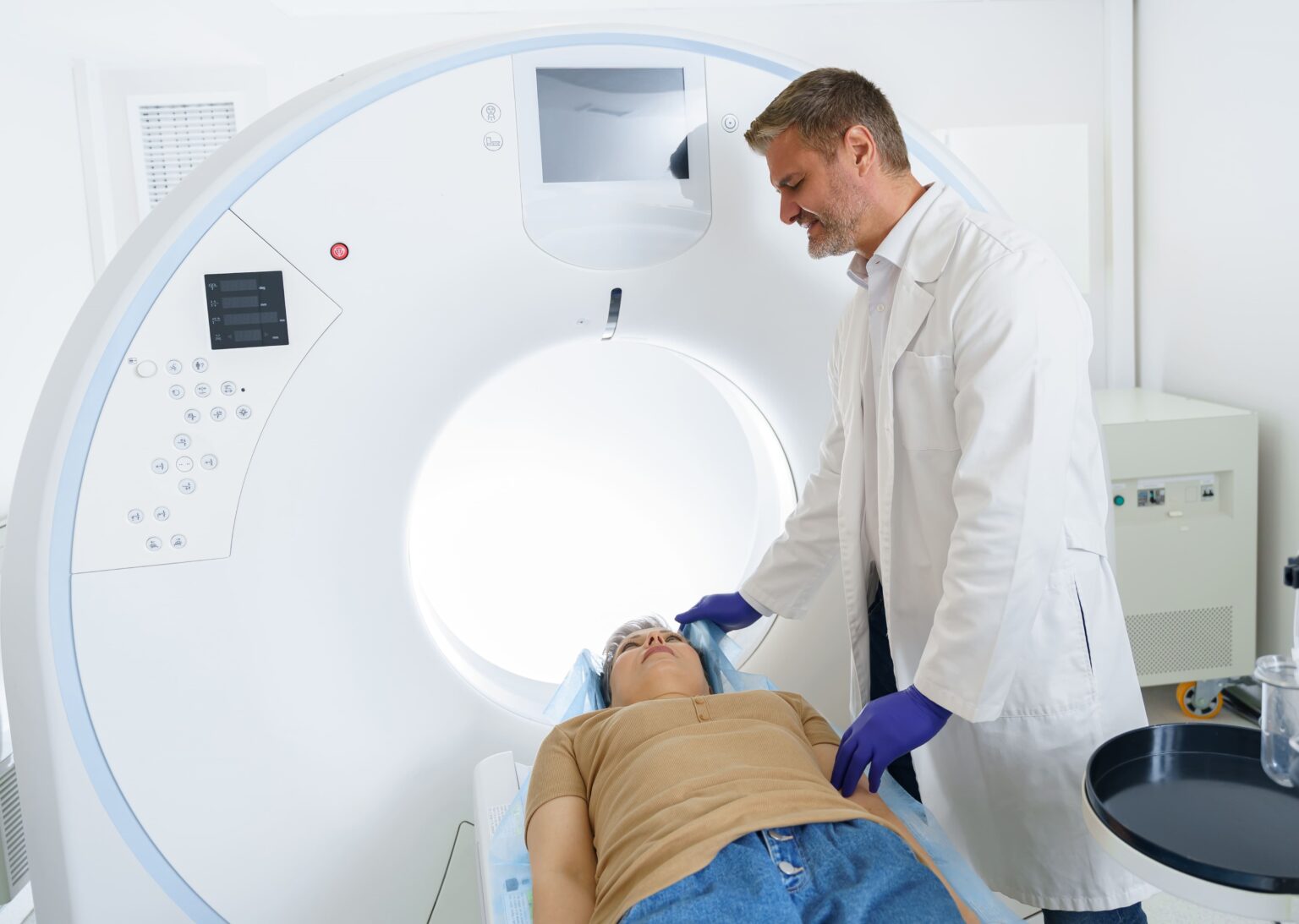
You’ll lie on your back on a movable table that slides into the donut-shaped CT scanner. ECG leads (small, sticky patches) may be placed on your chest to monitor your heart rhythm during the scan.
Breathing Instructions
You’ll be asked to hold your breath for short periods (usually 10-20 seconds) while images are taken. This prevents movement that could blur the images.
Scanning Process
The CT scanner rotates around you, taking multiple images. The table moves through the scanner in small increments to capture your entire heart. The actual scanning time typically takes less than 10 minutes.

The technologist will monitor you from a separate room but will stay in constant contact via a speaker system to ensure you’re comfortable throughout the procedure.

Are your symptoms affecting your quality of life?

Consult our MOH-accredited specialist for a comprehensive diagnosis & personalised treatment plan today.

cta img 2

After Care and Recovery

Immediate Care

Post-scan activities: You can resume normal activities immediately after the scan. There are no movement restrictions or special precautions needed following the test.

Recovery Timeline

Physical recovery: There is no physical recovery period required, as the test is non-invasive and causes no tissue damage or disruption.

Follow-up Care

Consultation with cardiologist: Your scan results are typically available within 1-3 days. Based on your calcium score and other risk factors, your cardiologist will recommend appropriate next steps, which may include lifestyle changes, medications, further testing, or a combination of approaches.

Potential Risks and Complications

The Coronary Artery Calcium Score is a low-risk, non-invasive test. As the test does not use contrast dye, there is no risk of allergic reactions or kidney complications. Some people may experience mild discomfort or anxiety during the scan, but the procedure is brief and the scanner is open on both ends to minimise claustrophobia.

A consultation with a qualified cardiologist in Singapore is recommended to determine if this test is suitable for you and to discuss any potential risks based on your health status.


Frequently Asked Questions (FAQs)

How accurate is a Coronary Artery Calcium Score in predicting heart disease?

The calcium score is a reliable tool for assessing your future risk of heart disease. A score of zero suggests a very low risk of heart disease in the near future. Higher scores indicate greater amounts of calcium in the arteries and a correspondingly higher risk of coronary events like heart attacks.

Can I reduce my calcium score with treatment?

Calcium deposits in the arteries cannot be reversed. However, with appropriate treatment such as cholesterol-lowering medications (e.g. statins) and lifestyle changes, you can slow or stop further calcium buildup. This helps stabilise the arteries and reduces your overall risk of heart-related complications, even if existing calcium is present.

How is a Coronary Artery Calcium Score different from a stress test?

A calcium score measures the amount of calcified plaque in your coronary arteries, helping assess your long-term heart disease risk. It does not assess how well blood is flowing to your heart.

A stress test, such as an exercise ECG, evaluates your heart’s performance during physical exertion and can identify reduced blood flow due to artery narrowing. Both tests provide different but complementary information about your heart health.

What calcium score is considered normal?

A score of zero is considered optimal and indicates no detectable calcified plaque. Scores 1-10 indicate minimal plaque, 11-100 mild plaque, 101-400 moderate plaque, and over 400 extensive plaque. However, interpretation depends on your age, sex, and other risk factors, as some calcium accumulation is expected with aging.

Frame 1894

Dr. Kua Jieli

MBBS (SG)|MRCP (UK)|MMed (Internal Med) (SG)|FAMS (Cardiology, SG)

Dr. Kua is a senior consultant cardiologist specialised in interventional cardiology and is the medical director at Carrington Cardiology.

  • He is experienced in managing complex coronary artery disease and a variety of other cardiovascular diseases and conditions.
  • He also handles difficult coronary interventional procedures such as left main disease, chronic total occlusions, and calcified lesions.
  • He served as a Senior Consultant at National University Hospital Singapore and Ng Teng Fong General Hospital and was also the Director of the Cardiovascular Catheterisation Laboratory.

Prior to this, he served as an International Cardiology Fellow and Honorary Consultant at Hammersmith Hospital Imperial Healthcare Trust, where he gained valuable experience in various prestigious healthcare institutions.

Location Contact Background
Image location

Mount Elizabeth Medical Centre
3 Mount Elizabeth, #12-02 Medical Centre
Singapore 228510

Image time

Mon to Fri: 09:00am – 05:00pm
Sat: 09:00am – 12:30pm
Sun & Public Holidays: Closed

Get In Touch With Us

Leave us a message and we’ll get back to you shortly


    Full Name*

    Email Address*

    Phone Number*

    Your Message*

    For Faster Response, Call us!

    +65 6956 6588


    Image location

    Mount Elizabeth Medical Centre
    3 Mount Elizabeth, #12-02 Medical Centre
    Singapore 228510

    Image time

    Mon to Fri: 09:00am – 05:00pm
    Sat: 09:00am – 12:30pm
    Sun & Public Holidays: Closed