You should consult a cardiologist in Singapore if you experience:
- recurring chest pain
- shortness of breath
- unexplained fatigue
- heart palpitations
Early evaluation by a cardiology specialist can prevent serious complications.

Coronary artery disease occurs when the blood vessels become narrowed or blocked by fatty deposits called plaque, limiting blood flow to your heart muscle. This narrowing reduces the flow of oxygen-rich blood to your heart, which can cause chest pain and potentially lead to heart attacks. The condition develops gradually over many years and is one of the most common forms of heart disease. Understanding the symptoms and treatment options can help you manage this condition with guidance from a cardiologist in Singapore.

MBBS (SG)|MRCP (UK)|MMed (Internal Med) (SG)|FAMS (Cardiology, SG)

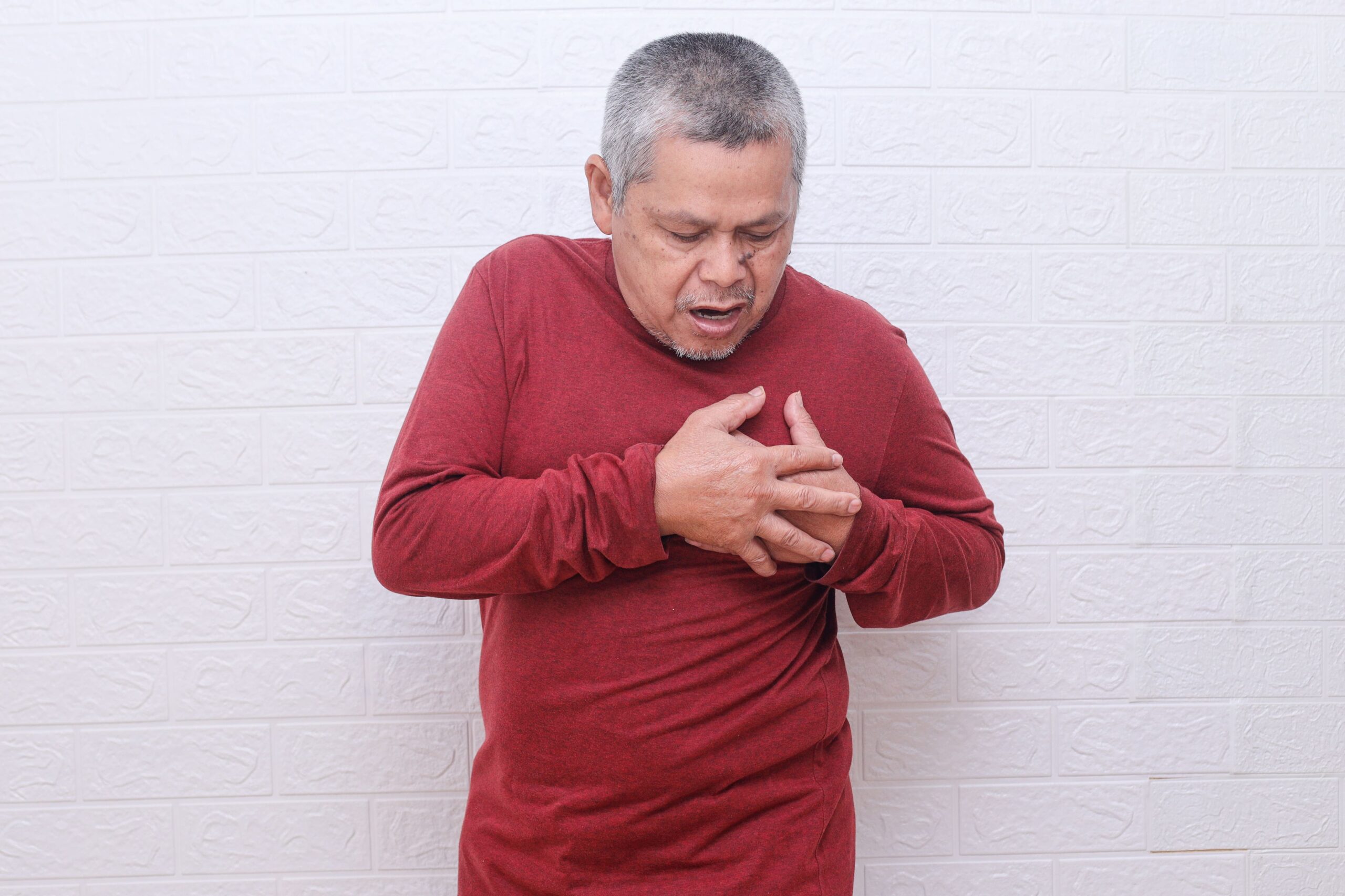
Many people with coronary artery disease experience symptoms during physical activity or emotional stress, when the heart needs more oxygen than the narrowed arteries can provide.
Coronary artery disease develops when plaque builds up inside your coronary arteries, a process that typically happens over many years due to various factors.
When you have too much cholesterol in your blood, it can stick to artery walls and form plaque deposits. This process gradually narrows the arteries that supply blood to your heart muscle.
Consistently elevated blood pressure damages the inner lining of your arteries over time. This damage makes it easier for cholesterol and other substances to build up and form blockages.
Tobacco use damages blood vessel walls and reduces the amount of oxygen in your blood. It also makes your blood more likely to clot, which can block already narrowed arteries.
High blood sugar levels can damage blood vessels throughout your body, including the coronary arteries. People with diabetes often develop coronary artery disease at a younger age.
Men generally face higher risk from age 45 onwards, while women’s risk increases after menopause, typically around age 55. The risk continues to rise with age for both men and women.
Having close relatives with coronary artery disease increases your risk.
A sedentary lifestyle contributes to many other risk factors, including high blood pressure, high cholesterol, and obesity. Regular physical activity helps keep your heart and blood vessels healthy.
Long-term stress can contribute to coronary artery disease by raising blood pressure and potentially leading to behaviours like overeating or smoking.
Coronary artery disease can be classified based on how symptoms occur and the severity of artery blockage.
This is the most common form, where chest pain occurs predictably during physical activity or stress and goes away with rest. The symptoms follow a consistent pattern and are usually manageable with medication.
Chest pain occurs unpredictably, even during rest, and may be more severe or last longer than usual. This type requires immediate medical attention as it can indicate that a heart attack may occur soon.
Some people have reduced blood flow to the heart without experiencing chest pain or other obvious symptoms. This condition is more common in people with diabetes and can only be detected through medical testing.
Several tests can help determine whether you have coronary artery disease and assess how severe the blockages might be.
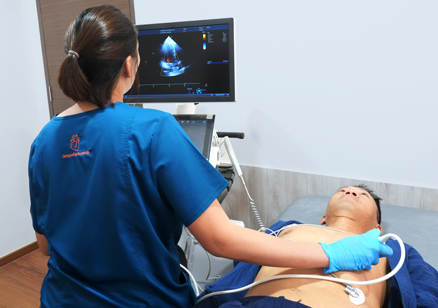
An ultrasound scan creating detailed images of your heart’s chambers and valves to identify areas affected by reduced blood flow.

Monitoring your heart rhythm, rate, and blood pressure while exercising on a treadmill to assess how your heart responds under stress.

A non-invasive imaging test using contrast dye and CT scanning to identify the location and severity of artery blockages clearly.
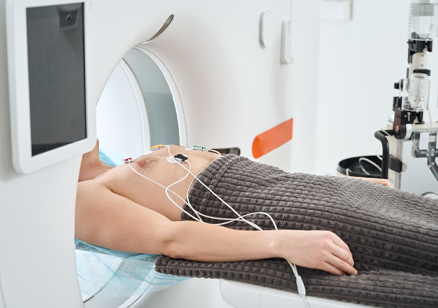
A scan assessing calcium deposits in your coronary arteries to evaluate your risk of significant heart disease.
Several medications and lifestyle approaches can help manage coronary artery disease and reduce symptoms without requiring surgical procedures.
When medications and lifestyle changes aren’t sufficient to manage symptoms or when blockages are severe, surgical procedures may be recommended to restore blood flow to the heart.
Consult our MOH-accredited specialist for a comprehensive diagnosis & personalised treatment plan today.

Managing coronary artery disease involves regular follow-ups with your cardiologist to control risk factors through tailored lifestyle modifications, medication management, and monitoring of your heart’s health. Maintaining healthy cholesterol and blood pressure levels, stopping smoking, following a heart-healthy diet low in saturated fats, and engaging in regular physical activity as advised by your doctor can significantly reduce your risk of heart attacks. People with diabetes should maintain good blood sugar control, and taking prescribed medications consistently helps manage symptoms and prevent complications.
You should consult a cardiologist in Singapore if you experience:
Early evaluation by a cardiology specialist can prevent serious complications.
Some people notice worsening symptoms like more frequent chest pain or shortness of breath with less activity, while others may not experience obvious changes. Regular check-ups with your doctor and monitoring tests help track how your condition is progressing.
Yes, though it’s less common, coronary artery disease can develop in younger people, particularly those with strong family histories, diabetes, or multiple risk factors. Early symptoms are sometimes mistaken for other conditions, which can delay diagnosis.
A heart attack occurs when a plaque ruptures and completely blocks blood flow to part of your heart muscle. This causes severe chest pain that doesn’t go away with rest, and the affected heart muscle begins to die without immediate treatment.
Most people need check-ups every 3-6 months initially, then less frequently as their condition stabilises. Your doctor will adjust this schedule based on your symptoms, test results, and how well you’re responding to treatment.
While emotional stress can trigger a heart attack in someone who already has coronary artery disease, stress alone doesn’t typically cause heart attacks in people with healthy arteries. However, chronic stress may contribute to developing the condition over time.


Dr. Kua is a senior consultant cardiologist specialised in interventional cardiology and is the medical director at Carrington Cardiology.
Prior to this, he served as an International Cardiology Fellow and Honorary Consultant at Hammersmith Hospital Imperial Healthcare Trust, where he gained valuable experience in various prestigious healthcare institutions.


Mount Elizabeth Medical Centre
3 Mount Elizabeth, #12-02 Medical Centre
Singapore 228510

Mon to Fri: 09:00am – 05:00pm
Sat: 09:00am – 12:30pm
Sun & Public Holidays: Closed
Leave us a message and we’ll get back to you shortly
Mount Elizabeth Medical Centre
3 Mount Elizabeth, #12-02 Medical Centre
Singapore 228510
Mon to Fri: 09:00am – 05:00pm
Sat: 09:00am – 12:30pm
Sun & Public Holidays: Closed


