


What Is a Coronary Calcium Score & How It Predicts Heart Disease Risk?
Heart disease remains a leading cause of death worldwide, but with modern advancements in medicine,

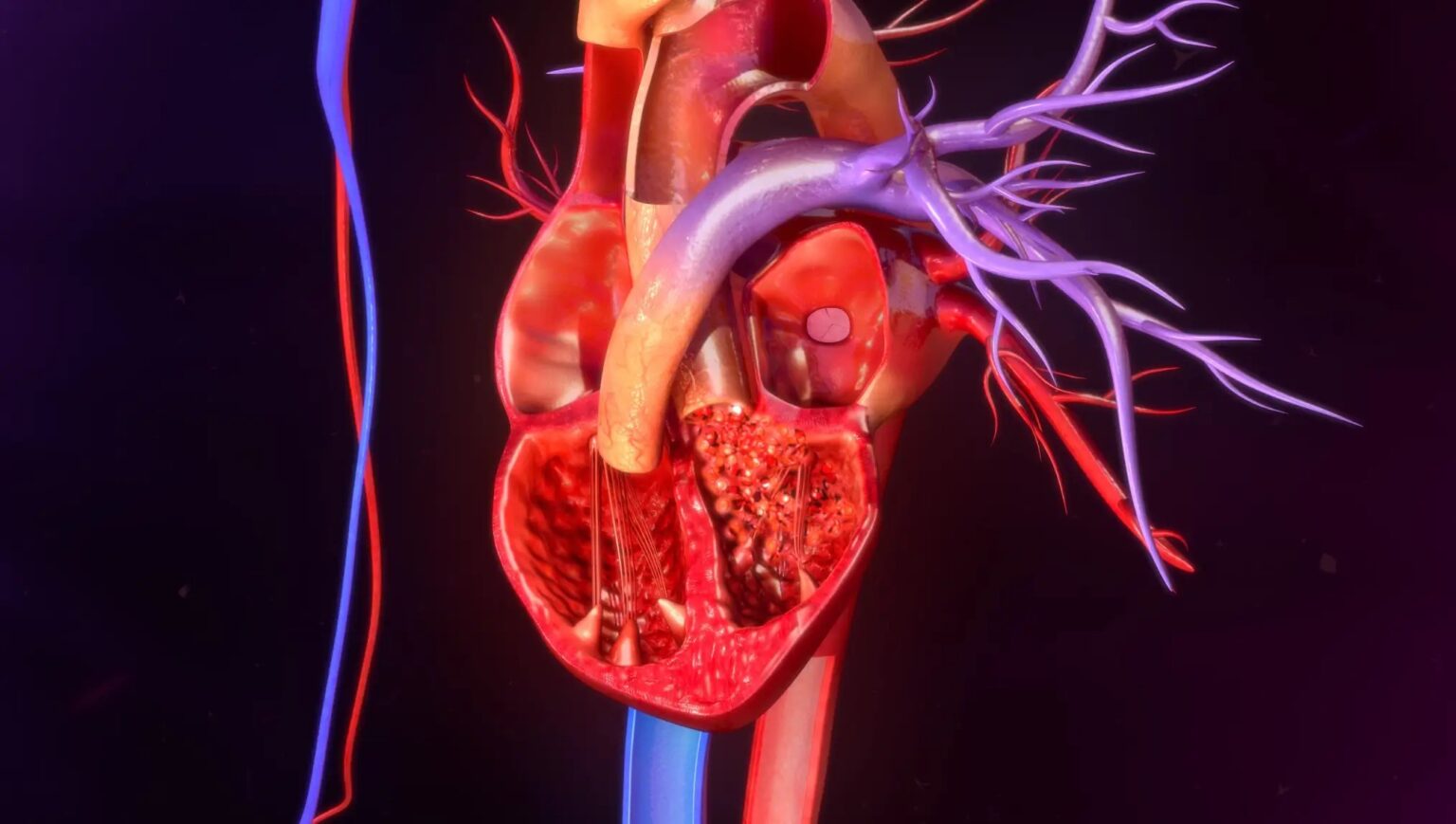
Coronary artery disease (CAD) is one of the leading causes of heart disease globally. As it continues to affect millions of people each year, understanding CAD’s symptoms, causes, risk factors, diagnosis, and available treatments is crucial for maintaining heart health. Get ready to dive into everything you need to know about coronary artery disease and discover how you can beat the odds and keep your heart in top shape!
It happens when the blood vessels that supply your heart with oxygen-rich blood become narrowed or blocked due to plaque buildup. As the arteries become less flexible and restricted, your heart struggles to get the oxygen it needs to function properly, leading to symptoms like chest pain and, in extreme cases, heart attacks.

It’s not always obvious when coronary artery disease is starting to take hold, but some warning signs should not be ignored. Common symptoms include:
When it comes to coronary artery disease, prevention is truly the best medicine. The earlier you adopt heart-healthy habits, the more likely you are to avoid or delay CAD. Here are some actionable steps you can take:

At its core, coronary artery disease is caused by a condition called atherosclerosis—the gradual buildup of fatty deposits (plaque) in the arteries. As the plaque hardens and thickens, it narrows the arteries, making it more difficult for blood to flow freely to the heart. This leads to symptoms ranging from mild chest pain to full-blown heart attacks.
Several factors increase your likelihood of developing CAD, some risks can be modified, but some risks are non-modifiable:
Diagnosing coronary artery disease typically involves a combination of medical history, physical exams, and diagnostic tests. Some common tests used to diagnose CAD include:
If you are diagnosed with CAD, adopting a heart-healthy lifestyle is essential. This includes following the advice of your healthcare provider regarding medication, diet, exercise, and regular checkups. You may also need to undergo additional procedures, such as angioplasty or coronary artery bypass surgery, to improve blood flow to the heart.
There are several treatment options for coronary artery disease, depending on the severity of the condition:
It is a serious condition that can significantly affect heart health. However, with early detection, lifestyle changes, and appropriate treatments, it is possible to manage the disease and reduce the risk of complications. If you are at risk or experiencing symptoms, consult a cardiologist to assess your heart health and create a treatment plan tailored to your needs. Early intervention is key to preventing further damage and maintaining a healthy heart. At Carrington Cardiology, we take a holistic approach towards coronary artery disease and offer personalised treatments to cater to you. Reach out to us today to find out more.


Dr. Kua is a senior consultant cardiologist specialised in interventional cardiology and is the medical director at Carrington Cardiology.
Prior to this, he served as an International Cardiology Fellow and Honorary Consultant at Hammersmith Hospital Imperial Healthcare Trust, where he gained valuable experience in various prestigious healthcare institutions.


Mount Elizabeth Medical Centre
3 Mount Elizabeth, #12-02 Medical Centre
Singapore 228510

Mon to Fri: 09:00am – 05:00pm
Sat: 09:00am – 12:30pm
Sun & Public Holidays: Closed
Leave us a message and we’ll get back to you shortly
Mount Elizabeth Medical Centre
3 Mount Elizabeth, #12-02 Medical Centre
Singapore 228510
Mon to Fri: 09:00am – 05:00pm
Sat: 09:00am – 12:30pm
Sun & Public Holidays: Closed

Heart disease remains a leading cause of death worldwide, but with modern advancements in medicine,

Have you ever felt your heart flutter, race, or skip a beat? This sensation could be a sign of arrhy

Every minute counts when it comes to heart health. Heart disease and stroke are serious health threa

Blood pressure plays a crucial role in heart health, but measurements taken in a clinic might not re

Heart health is vital for overall well-being, and understanding how your heart performs under stress