
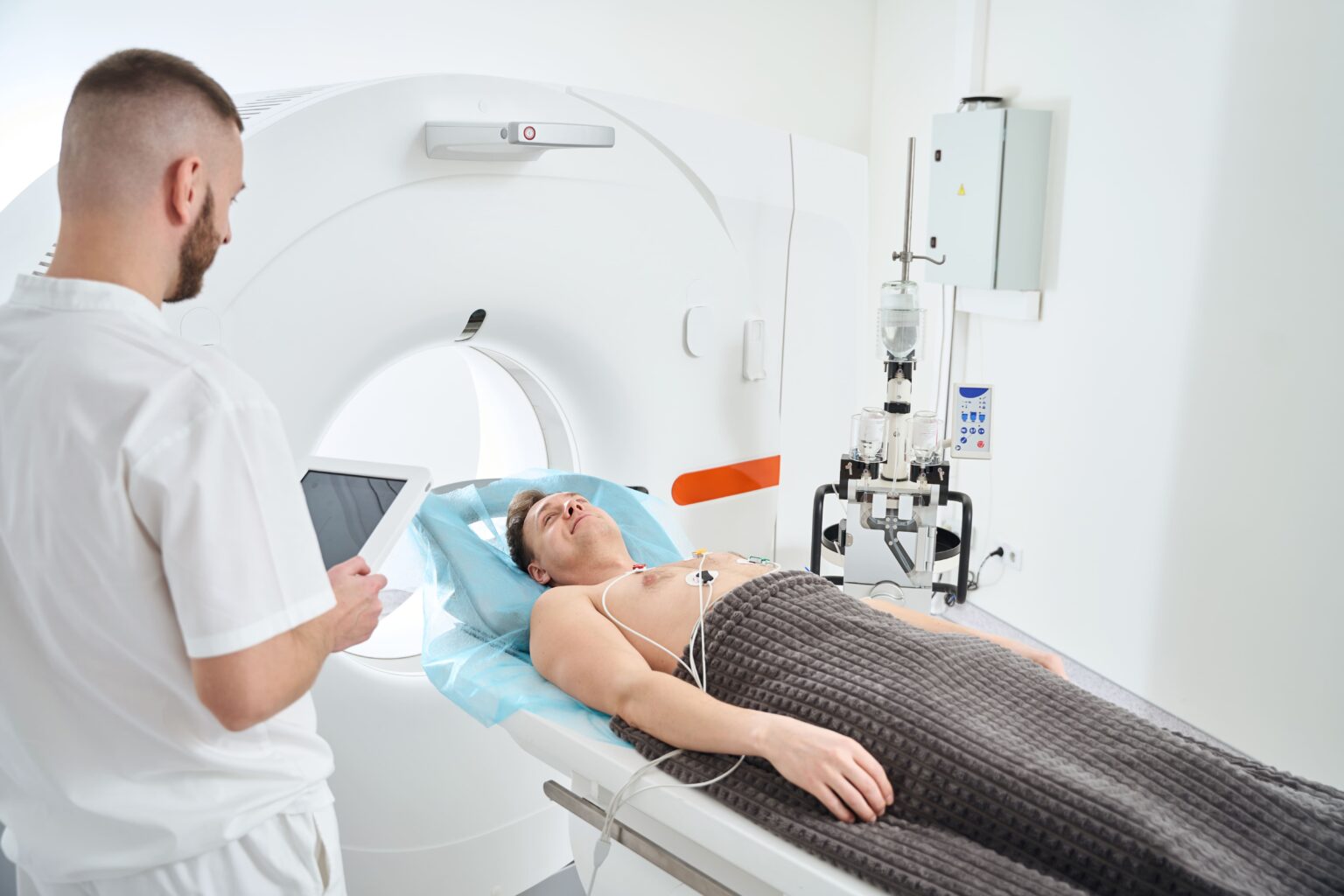


CT Coronary Angiogram Singapore

A CT coronary angiogram is a non-invasive imaging test that examines the blood vessels supplying your heart. It uses computed tomography (CT) technology with a special dye to create detailed pictures of your coronary arteries. The procedure helps doctors identify narrowed or blocked arteries that might restrict blood flow to your heart muscle.

doctor img
Dr. Kua Jieli

MBBS (SG)|MRCP (UK)|MMed (Internal Med) (SG)|FAMS (Cardiology, SG)

Image Carrington CT Coronary Angiogram Singapore
Image CT Coronary indications

Indications for CT Coronary Angiogram

A CT coronary angiogram may be recommended in the following situations:

  • Chest pain or discomfort: When you experience chest pain that could be related to your heart, this scan helps determine if coronary artery disease is the cause. It can identify blockages that might be restricting blood flow.
  • Abnormal stress test results: Following an exercise stress test that shows possible heart problems, a CT coronary angiogram provides more detailed information about your coronary arteries. It helps clarify whether there are significant blockages.
  • Evaluation of heart attack risk: For individuals with several risk factors for heart disease, such as high blood pressure, diabetes, high cholesterol, or family history. The scan assesses the condition of your coronary arteries before symptoms develop.
  • Assessment of previous treatments: To check the results of previous treatments like stents or bypass surgery. It allows doctors to evaluate how well these interventions are working.
  • Evaluation of congenital heart defects: For people born with heart abnormalities, this scan helps visualise the structure of the heart and its blood vessels.

Benefits of CT Coronary Angiogram

CT coronary angiograms offer several advantages:

  • Non-invasive assessment

    Unlike traditional coronary angiography, this procedure doesn’t require inserting catheters into your arteries. The scan is performed externally, reducing physical discomfort.

  • Comprehensive arterial imaging

    The scan produces detailed images of coronary arteries, showing plaque buildup, narrowing, and blockages. These images help doctors assess the location and extent of coronary artery disease.

  • Detection of early disease

    CT coronary angiograms can identify early signs of coronary artery disease before symptoms appear. This early detection allows for preventive treatment that may help avoid heart attacks.

  • Quick procedure time

    The actual scanning typically takes only about 10-15 minutes. Including preparation and recovery, most patients spend less than two hours at the imaging facility.

Preparing for CT Coronary Angiogram

Proper preparation helps ensure clear, useful images and a smooth experience during your CT coronary angiogram.

Medical Evaluation

Your cardiologist will review your medical history and may perform a physical examination. It’s important to inform your doctor about any allergies, medical conditions, and medications you’re taking.

Fasting Instructions

You’ll typically be asked to avoid eating for 4-6 hours before the scan. Clear liquids are usually permitted up until the procedure.

Diet Restriction

Avoid caffeine-containing foods and beverages (coffee, tea, energy drinks, chocolate) for 12-24 hours before the test. Caffeine can affect your heart rate, which may impact image quality.

Beta-Blocker Administration

Some patients may receive a beta-blocker medication before the scan to lower and stabilise their heart rate. This helps obtain clearer images by reducing motion artifacts.

What to Expect During CT Coronary Angiogram

Understanding the steps involved in a CT coronary angiogram can help reduce anxiety about the procedure.


IV Placement
A small intravenous (IV) line will be inserted into a vein in your arm or hand.
Contrast Dye Injection
During the scan, contrast material will be injected through your IV.
Breathing Instructions
You’ll receive instructions about when to hold your breath briefly during the scan. Following these instructions helps produce clearer images.
Scanning Process
The actual scanning typically takes about 10-15 minutes. The table moves through the scanner while the X-ray tube rotates around you, capturing images from multiple angles.
Post-Scan Monitoring
After the scan is complete, the IV line is removed. You’ll be monitored briefly to ensure you don’t have any adverse reactions to the contrast material.

Are your symptoms affecting your quality of life?

Consult our MOH-accredited specialist for a comprehensive diagnosis & personalised treatment plan today.

cta img 2

After Care and Recovery

Immediate Care
  • Post-Procedure Monitoring: You’ll be observed for about 15-30 minutes after the scan to ensure you don’t have any reactions to the contrast material.
  • Hydration Requirements: Drinking plenty of water after the procedure helps your kidneys flush out the contrast dye from your system.
Recovery Timeline
  • First 24 Hours: You may notice increased urination as your body eliminates the contrast dye. Some patients experience mild fatigue or a slight headache that typically resolves within a day.
  • Return to Normal Routine: Most people return to their normal routine, including work and exercise, the same day or the day after the procedure.
Follow-up Care
  • Results Discussion: Your cardiologist will schedule a follow-up appointment to discuss the scan results, typically within a few days to a week after the procedure. Based on the findings, your cardiologist may recommend lifestyle modifications, medications, or further procedures if necessary.

Potential Risks and Complications

CT coronary angiograms are generally considered safe procedures with minimal risks. Some patients may experience a warm sensation or metallic taste during contrast injection, which resolves quickly. Allergic reactions to the contrast material occur in a small percentage of patients, ranging from mild (itching, rash) to severe (difficulty breathing), though serious reactions are rare. Most complications, if they occur, are temporary and resolve without treatment.

A consultation with a qualified heart specialist in Singapore ensures the test is appropriate for your condition and that all necessary precautions are taken.


Frequently Asked Questions (FAQs)

Will I need to take time off work for a CT coronary angiogram in Singapore?

Most patients do not need to take time off work beyond the few hours required for the procedure itself. You can typically return to work the same day if you feel comfortable, though some people prefer to schedule their scan at the end of a workday.

How should I manage my diabetes medications before a CT coronary angiogram?

If you take metformin, your cardiologist may instruct you to stop taking it 24-48 hours before and 48 hours after the procedure. Other diabetes medications may need adjustment as well, particularly if you’ll be fasting. Always follow your cardiologist’s specific instructions regarding your medication schedule.

If a blockage is found, will I need treatment immediately?

Finding a blockage doesn’t necessarily mean immediate intervention is required. Many blockages can be managed with medications and lifestyle changes. If further treatment is needed, your cardiologist will discuss options including medication adjustments, angioplasty with stent placement, or surgery based on the severity and extent of the blockages.

Frame 1894

Dr. Kua Jieli

MBBS (SG)|MRCP (UK)|MMed (Internal Med) (SG)|FAMS (Cardiology, SG)

Dr. Kua is a senior consultant cardiologist specialised in interventional cardiology and is the medical director at Carrington Cardiology.

  • He is experienced in managing complex coronary artery disease and a variety of other cardiovascular diseases and conditions.
  • He also handles difficult coronary interventional procedures such as left main disease, chronic total occlusions, and calcified lesions.
  • He served as a Senior Consultant at National University Hospital Singapore and Ng Teng Fong General Hospital and was also the Director of the Cardiovascular Catheterisation Laboratory.

Prior to this, he served as an International Cardiology Fellow and Honorary Consultant at Hammersmith Hospital Imperial Healthcare Trust, where he gained valuable experience in various prestigious healthcare institutions.

Location Contact Background
Image location

Mount Elizabeth Medical Centre
3 Mount Elizabeth, #12-02 Medical Centre
Singapore 228510

Image time

Mon to Fri: 09:00am – 05:00pm
Sat: 09:00am – 12:30pm
Sun & Public Holidays: Closed

Get In Touch With Us

Leave us a message and we’ll get back to you shortly


    Full Name*

    Email Address*

    Phone Number*

    Your Message*

    For Faster Response, Call us!

    +65 6956 6588


    Image location

    Mount Elizabeth Medical Centre
    3 Mount Elizabeth, #12-02 Medical Centre
    Singapore 228510

    Image time

    Mon to Fri: 09:00am – 05:00pm
    Sat: 09:00am – 12:30pm
    Sun & Public Holidays: Closed