


Giddiness and Fainting Spells Singapore

Giddiness or fainting spells refer to episodes of dizziness, lightheadedness, or brief loss of consciousness. These occur when the brain temporarily receives insufficient blood flow or oxygen. While occasional episodes may be harmless, recurring spells can signal an underlying heart condition that requires medical evaluation. Recognising the symptoms and causes can help you determine when to seek medical advice.

doctor img
Dr. Kua Jieli

MBBS (SG)|MRCP (UK)|MMed (Internal Med) (SG)|FAMS (Cardiology, SG)

Image Carrington giddiness or fainting
Image giddiness symptoms

Symptoms of Giddiness or Fainting Spell

Common symptoms you may experience during or before a giddiness or fainting episode include:

  • Lightheadedness or dizziness: A sensation of unsteadiness, often described as the room spinning or a feeling you might fall. This can happen when standing up quickly or with exertion.
  • Feeling faint or weak: A sudden sense of weakness, often accompanied by the urge to sit or lie down to prevent collapse.
  • Nausea or queasiness: You might feel sick to your stomach or have the urge to vomit. This symptom often accompanies the dizzy sensation.
  • Sweating or clamminess: Your skin may become pale, cool, and sweaty, particularly on your forehead, palms, or neck. You might suddenly feel hot or cold.
  • Blurred or dimmed vision: Your eyesight may become unclear, or you might see spots or experience tunnel vision. Some people describe it as their vision “going dark” around the edges.
  • Ringing in the ears: You may hear buzzing, ringing, or other sounds that aren’t actually present. This often occurs just before fainting.
  • Brief loss of consciousness: You may completely lose awareness for a few seconds to a minute. During this time, you might fall or slump over.

Causes and Risk Factors of Giddiness or Fainting Spell

Several factors can trigger giddiness or fainting spells:

  • Sudden changes in position

    Standing up too quickly from sitting or lying down can cause blood to pool in your legs. This reduces blood flow to your brain temporarily, leading to dizziness or fainting.

  • Dehydration

    Not drinking enough fluids reduces your blood volume, making it harder for your heart to pump blood to your brain. This commonly occurs during hot weather, illness, or after intense exercise.

  • Low blood sugar levels

    When your blood glucose drops too low, your brain lacks the fuel it needs to function properly. This often happens if you skip meals, diet excessively, or have diabetes.

  • Heart rhythm disturbances (arrhythmias)

    Irregular heartbeats, including excessively fast or slow heart rates, can reduce the amount of blood pumped to the brain.

  • Certain medications

    Some medicines, particularly those for blood pressure, heart conditions, or depression, can lower your blood pressure or affect your heart rate. This increases your risk of feeling dizzy or faint.

  • Emotional stress or anxiety

    Intense emotional reactions can trigger changes in your breathing and heart rate. This can lead to feeling lightheaded or faint, particularly in stressful situations.

  • Prolonged standing

    Remaining upright for extended periods, especially in hot or crowded environments, can cause blood to pool in your legs. This reduces blood return to your heart and brain.

  • Age-related changes

    As you get older, your blood vessels become less flexible and your reflexes slower. This makes you more susceptible to blood pressure changes that can cause dizziness.

Types of Giddiness or Fainting Spell

Different types of fainting or giddiness can occur based on their underlying causes:

Vasovagal syncope


This is the most common type, triggered by emotional stress, pain, or prolonged standing. Your body overreacts by slowing your heart rate and dilating blood vessels, reducing blood flow to your brain.

Orthostatic hypotension


This occurs when your blood pressure drops significantly upon standing up. Your body fails to adjust quickly enough to the position change, causing dizziness or fainting.

Cardiac syncope


This type results from heart rhythm abnormalities or structural heart problems. It can be more concerning as it indicates your heart isn’t pumping blood properly to your brain.

Situational syncope


This happens in response to specific triggers such as coughing, urinating, or having blood drawn. These activities temporarily affect blood flow or pressure in your body.

Diagnostic Methods

To determine the cause of your giddiness or fainting episodes, several diagnostic tests may be used to assess your heart function and identify potential rhythm or circulation problems:

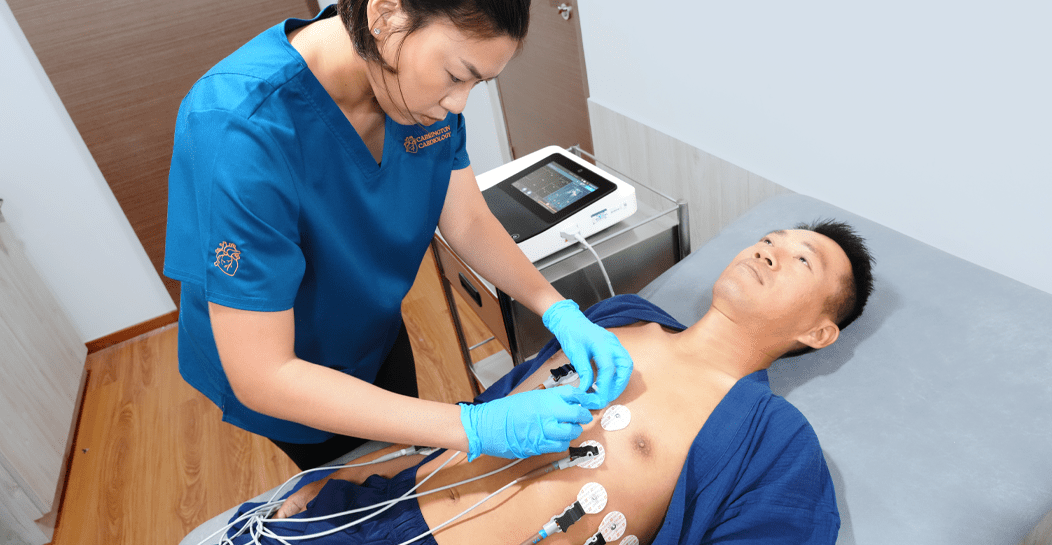
Electrocardiogram (ECG)

This test records your heart’s electrical activity through small sensors placed on your chest. It can detect irregular heart rhythms or other heart problems that might cause fainting.

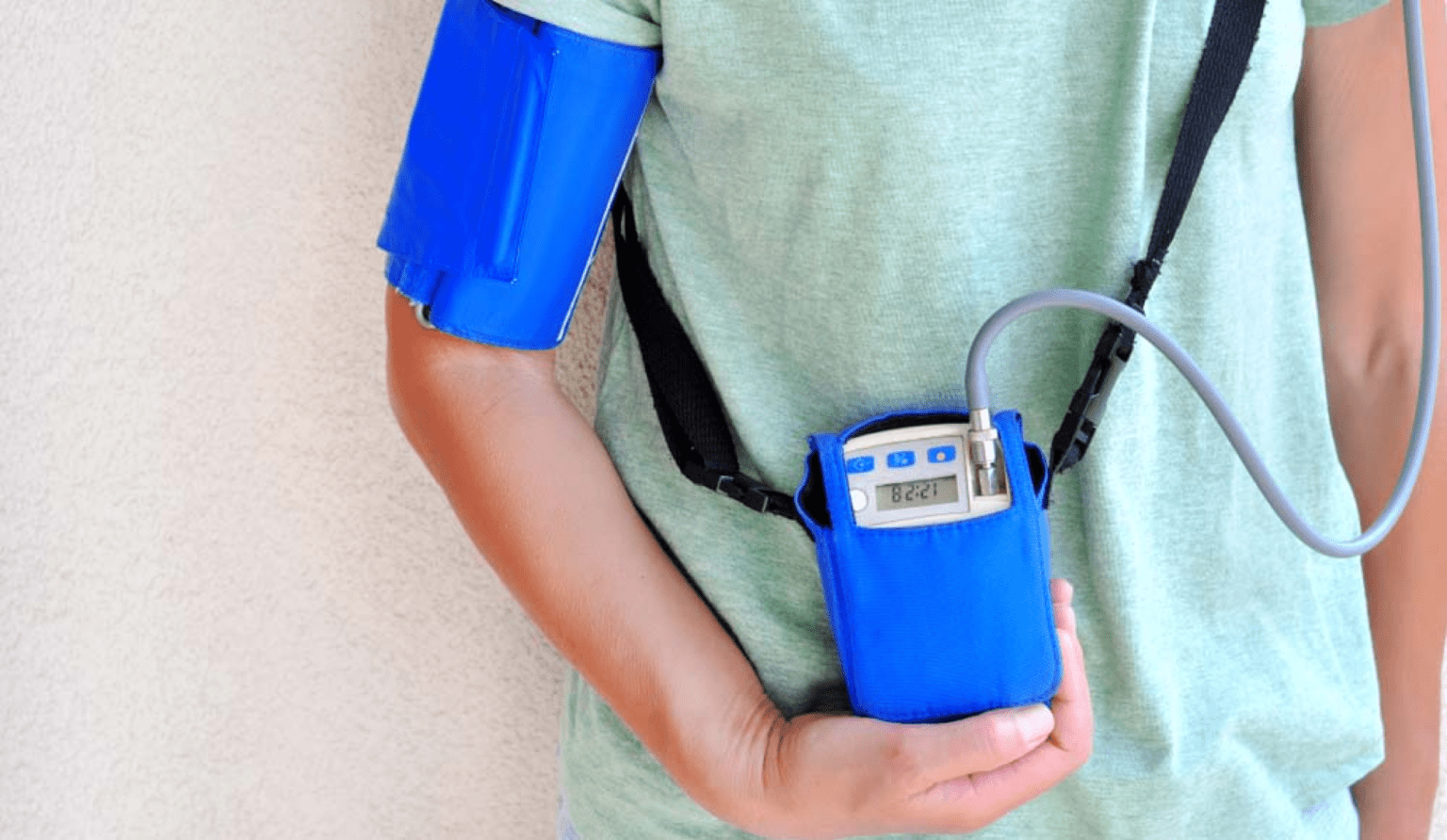
Blood pressure monitoring

Your blood pressure is measured in different positions, including lying down and standing up. This helps identify if position changes are causing your symptoms.

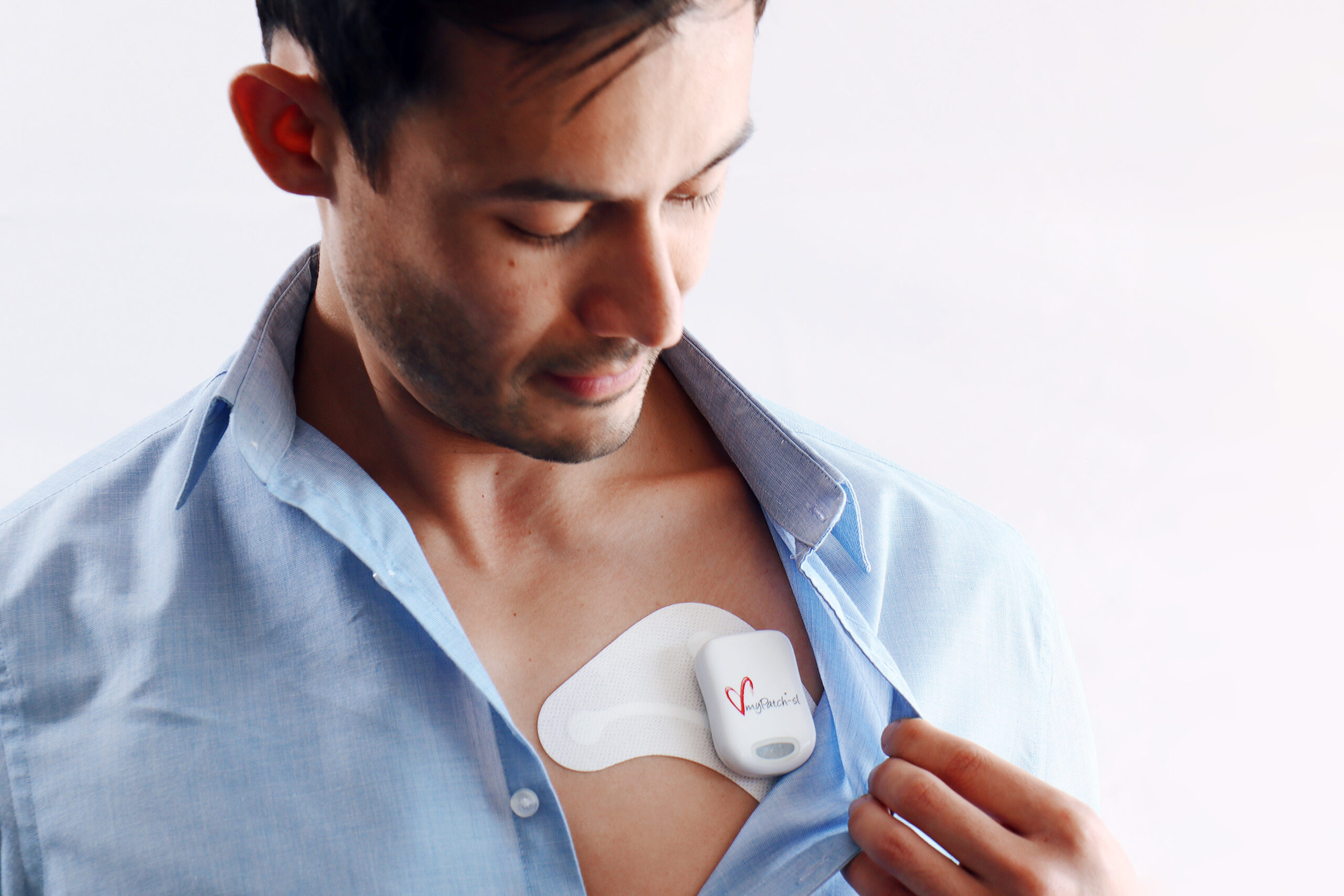
Holter monitoring

A portable device worn for 24 hours or longer that continuously records your heart’s electrical activity during normal daily activities.

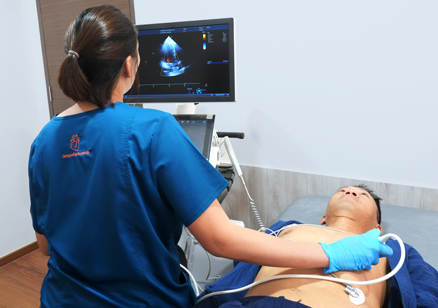
Transthoracic echocardiogram (TTE)

An ultrasound scan that produces images of your heart, allowing assessment of heart structure and function to help identify causes of fainting.

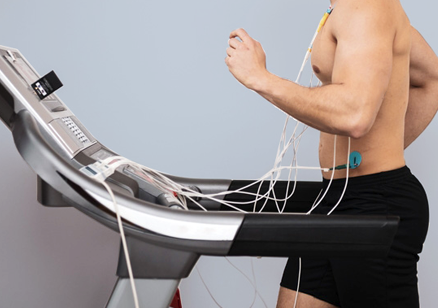
Exercise treadmill ECG

You walk on a treadmill while your heart rate, blood pressure, and ECG are monitored to assess how your heart responds to physical activity.

Treatment Options for Giddiness or Fainting Spell in Singapore

Non-Surgical Treatment

Treatment approaches focus on addressing the underlying heart conditions or rhythm problems that contribute to your fainting episodes:

  • Medication management: Specific medications can regulate your heart rhythm or adjust your blood pressure to reduce fainting episodes. The type of medication depends on whether your heart beats too fast, too slow, or irregularly.
  • Lifestyle modifications: Increasing fluid and salt intake can help maintain blood volume and pressure, while avoiding known triggers helps prevent episodes. Gradual position changes and compression stockings may also be recommended.
  • Cardiac rehabilitation: A structured exercise programme supervised by cardiology specialists helps strengthen your heart and improve circulation. This enhances your cardiovascular system’s ability to cope with daily activities that might have previously triggered symptoms.
Surgical Treatment

When medication and lifestyle changes aren’t sufficient to control heart rhythm problems causing fainting, procedural interventions may be necessary:

  • Pacemaker implantation: A small electronic device is placed under your chest skin to regulate slow or irregular heartbeats. The pacemaker sends electrical impulses to keep your heart beating at a normal, steady rate.
  • Electrophysiology Study and Cardiac Ablation: In some cases, an electrophysiology study may be performed to assess abnormal heart rhythms. If required, cardiac ablation can be used to treat certain arrhythmias by targeting the problematic heart tissue.

Are your symptoms affecting your quality of life?

Consult our MOH-accredited specialist for a comprehensive diagnosis & personalised treatment plan today.

cta img 2

Prevention and Management

Preventing giddiness and fainting episodes involves staying well-hydrated, rising slowly from sitting or lying positions, and wearing compression stockings if recommended. Avoiding known triggers such as prolonged standing, hot environments, or skipping meals can significantly reduce episode frequency.

When to See a Cardiologist in Singapore

See a cardiologist if you experience:

  • Frequent or unexplained fainting spells
  • Dizziness accompanied by chest pain, palpitations, or shortness of breath
  • Fainting triggered by physical exertion or occurring without warning
  • A known heart condition with new or worsening dizziness
  • Concerns about your risk of heart rhythm problems
Frequently Asked Questions (FAQs)

Can fainting episodes damage my heart or brain?

Brief fainting episodes typically don’t cause permanent damage to your heart or brain. However, injuries from falling during an episode can occur, which is why identifying and treating the underlying cause is necessary.

How quickly can I expect my symptoms to improve with treatment?

Response to treatment varies depending on the underlying cause, but many people notice improvement within weeks of starting appropriate medication or lifestyle changes. Heart rhythm devices often provide immediate symptom relief.

Should I avoid exercise if I have fainting spells?

Most people can continue exercising once their condition is properly managed, though you may need to modify intensity or type of activity initially. Your doctor will provide specific guidance based on your individual situation and underlying heart condition.

Will having a pacemaker or ICD limit my daily activities?

Modern cardiac devices allow most people to return to their normal activities, though you’ll need to avoid strong magnetic fields and inform medical staff about your device before procedures. Most household appliances and mobile phones are safe to use normally.

Frame 1894

Dr. Kua Jieli

MBBS (SG)|MRCP (UK)|MMed (Internal Med) (SG)|FAMS (Cardiology, SG)

Dr. Kua is a senior consultant cardiologist specialised in interventional cardiology and is the medical director at Carrington Cardiology.

  • He is experienced in managing complex coronary artery disease and a variety of other cardiovascular diseases and conditions.
  • He also handles difficult coronary interventional procedures such as left main disease, chronic total occlusions, and calcified lesions.
  • He served as a Senior Consultant at National University Hospital Singapore and Ng Teng Fong General Hospital and was also the Director of the Cardiovascular Catheterisation Laboratory.

Prior to this, he served as an International Cardiology Fellow and Honorary Consultant at Hammersmith Hospital Imperial Healthcare Trust, where he gained valuable experience in various prestigious healthcare institutions.

Location Contact Background
Image location

Mount Elizabeth Medical Centre
3 Mount Elizabeth, #12-02 Medical Centre
Singapore 228510

Image time

Mon to Fri: 09:00am – 05:00pm
Sat: 09:00am – 12:30pm
Sun & Public Holidays: Closed

Get In Touch With Us

Leave us a message and we’ll get back to you shortly


    Full Name*

    Email Address*

    Phone Number*

    Your Message*

    For Faster Response, Call us!

    +65 6956 6588


    Image location

    Mount Elizabeth Medical Centre
    3 Mount Elizabeth, #12-02 Medical Centre
    Singapore 228510

    Image time

    Mon to Fri: 09:00am – 05:00pm
    Sat: 09:00am – 12:30pm
    Sun & Public Holidays: Closed