Heart Attack Singapore

A heart attack, medically known as a myocardial infarction, occurs when blood flow to part of the heart muscle becomes blocked. This blockage prevents oxygen and nutrients from reaching the heart tissue, causing that section of the heart muscle to become damaged or die. Heart attacks are medical emergencies that require immediate treatment to restore blood flow and minimise damage.

doctor img
Dr. Kua Jieli

MBBS (SG)|MRCP (UK)|MMed (Internal Med) (SG)|FAMS (Cardiology, SG)

Image heart attack symptoms
Image Carrington heart attack

Symptoms of a Heart Attack

Heart attack symptoms can vary between individuals, and some people may experience warning signs hours or days before the actual event occurs.

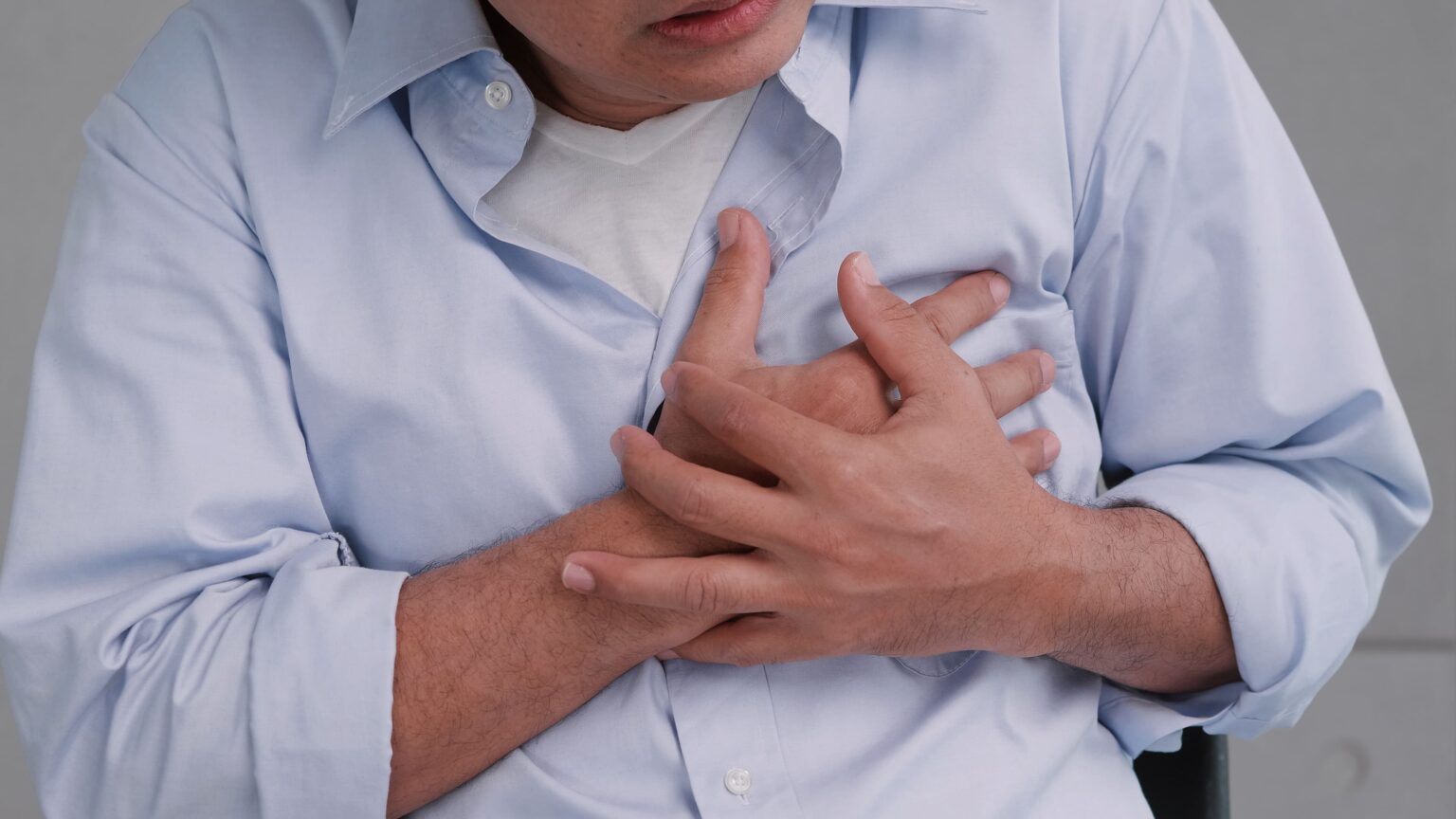
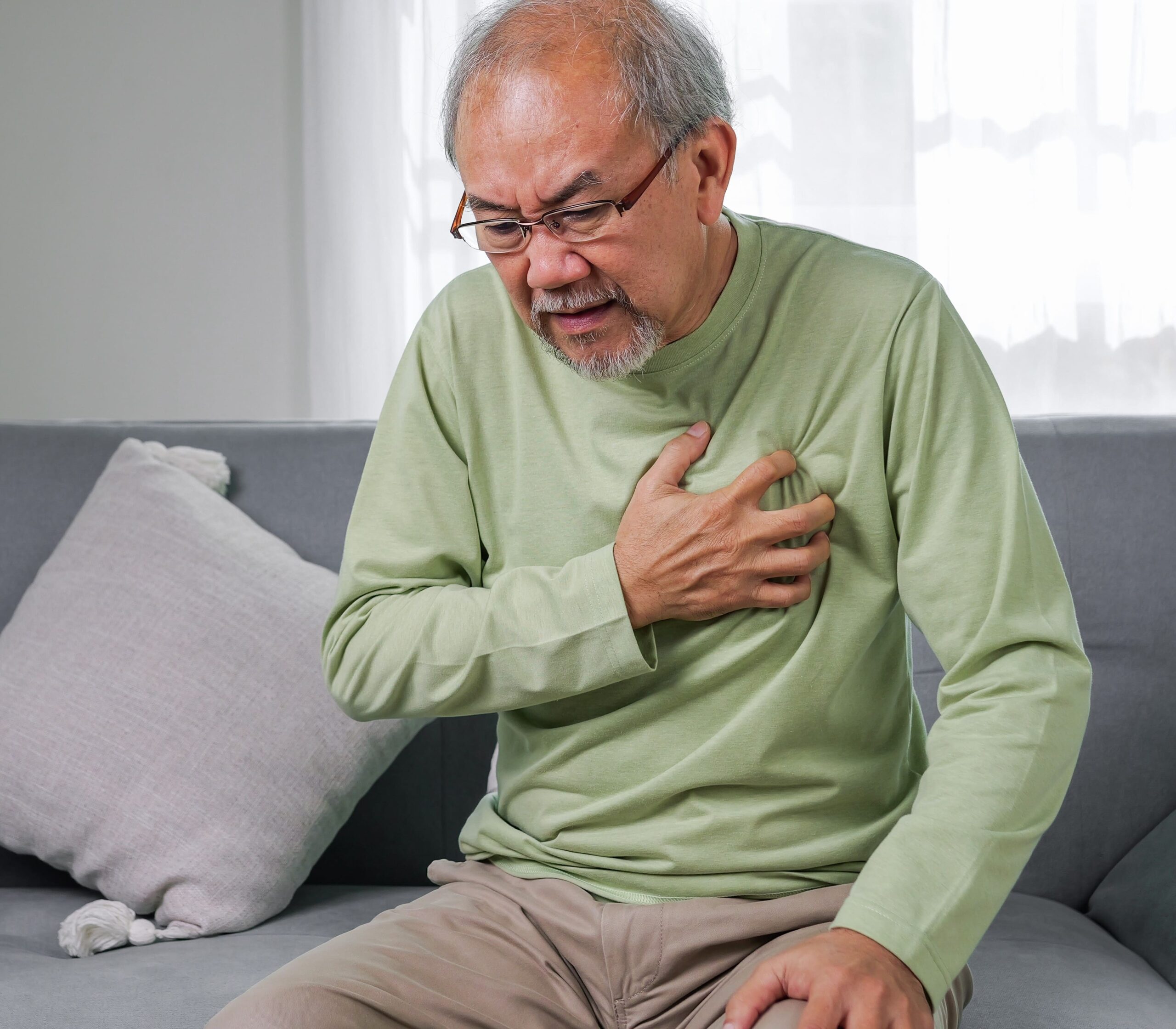
  • Chest pain or discomfort: Most people experience pressure, squeezing, fullness, or pain in the centre of the chest that lasts more than a few minutes. The sensation may feel like heavy pressure or severe indigestion.
  • Pain spreading to other areas: Discomfort may extend to your arms (particularly the left arm), back, neck, jaw, or stomach. This pain can occur with or without chest discomfort.
  • Shortness of breath: You may feel breathless or struggle to catch your breath, even when resting. This can happen before, during, or after chest discomfort begins.
  • Nausea and vomiting: Many people feel sick to their stomach or actually vomit during a heart attack. This symptom is more common in women and may be mistaken for food poisoning or stomach upset.
  • Cold sweats: Breaking out in a cold, clammy sweat without obvious cause is a common symptom. This may occur alongside other symptoms or on its own.
  • Light-headedness or dizziness: Feeling faint, dizzy, or like you might pass out can occur during a heart attack. Some people do lose consciousness briefly.
  • Unusual fatigue: Unexplained tiredness or weakness, particularly in women, may develop days before a heart attack or occur suddenly during the event.

Causes and Risk Factors for a Heart Attack

Heart attacks typically result from coronary artery disease, where fatty deposits build up in the arteries that supply blood to the heart muscle.

  • Coronary artery disease

    The most common cause occurs when fatty deposits (plaques) build up in the coronary arteries over time. If a plaque ruptures, it can form a blood clot that completely blocks the artery.

  • Age

    Risk increases with age, particularly for men over 45 and women over 55. The arteries naturally become less flexible and more prone to fatty deposits as we get older.

  • High blood pressure

    Consistently elevated blood pressure forces the heart to work harder and damages artery walls over time. This damage makes it easier for fatty deposits to accumulate in the coronary arteries.

  • High cholesterol

    Elevated levels of low-density lipoprotein (LDL or “bad” cholesterol) contribute to plaque buildup in arteries. High triglycerides and low levels of high-density lipoprotein (HDL or “good” cholesterol) also increase risk.

  • Smoking

    Tobacco use damages blood vessel walls and reduces oxygen in the blood, making the heart work harder. Smoking also increases the likelihood of blood clots forming.

  • Diabetes

    High blood sugar levels damage blood vessels and nerves that control the heart. People with diabetes often develop heart disease at younger ages than those without diabetes.

  • Family history

    Having close relatives who experienced heart attacks, particularly at young ages, increases your risk. Genetic factors can influence cholesterol levels, blood pressure, and other heart disease risk factors.

  • Obesity

    Carrying excess weight, particularly around the waist, increases the workload on your heart. Obesity is often associated with other risk factors like high blood pressure, diabetes, and high cholesterol.

  • Stress

    Chronic stress may contribute to heart disease by raising blood pressure and potentially leading to behaviours that increase heart attack risk, such as overeating or smoking.

Heart Attack Classifications

Heart attacks are classified based on the type of blockage and the extent of damage to the heart muscle.

ST-elevation myocardial infarction (STEMI)

This type occurs when a coronary artery becomes completely blocked, causing extensive damage to a large area of heart muscle. STEMI heart attacks typically produce characteristic changes on an electrocardiogram and require immediate treatment to restore blood flow.

Non-ST-elevation myocardial infarction (NSTEMI)

NSTEMI happens when a coronary artery is partially blocked, resulting in less extensive heart muscle damage. While the blockage may not be complete, this type still requires prompt medical attention and treatment.

Silent heart attack

Some people experience heart attacks with minimal or no obvious symptoms, which may go unrecognised at the time. These silent heart attacks can cause the same damage as symptomatic ones and are often discovered later during routine tests or when symptoms develop.

Diagnostic Methods

Diagnosing a heart attack involves several tests and examinations to confirm the presence of heart muscle damage and determine the extent of the problem.

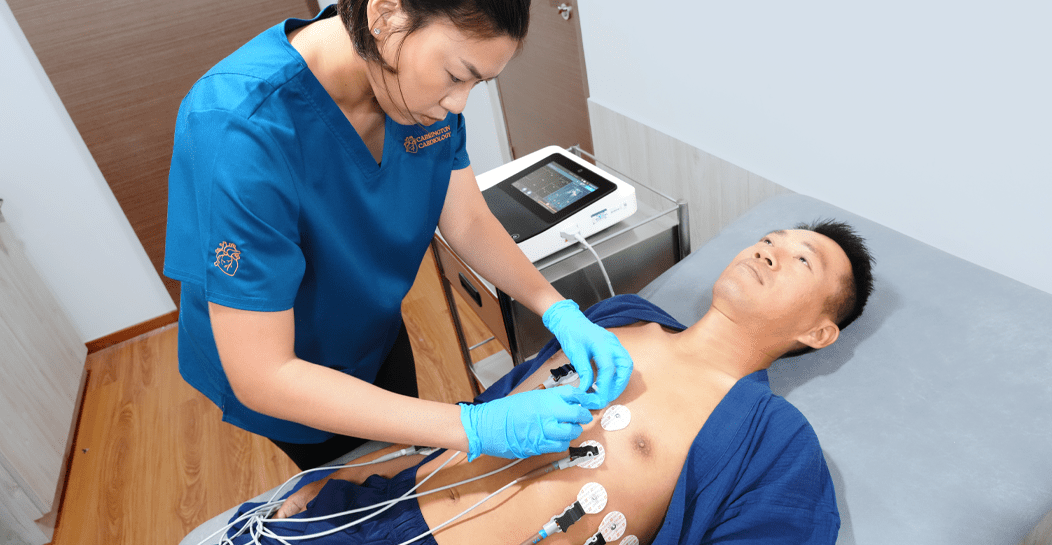
Electrocardiogram (ECG/EKG)

A simple, painless test recording the heart’s electrical activity to detect abnormal rhythms and signs of heart muscle damage during a heart attack.

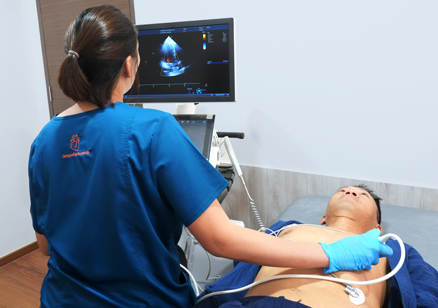
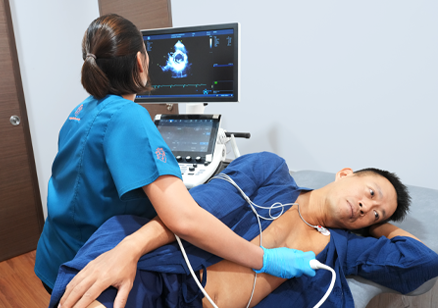
Transthoracic Echocardiogram (TTE)

An ultrasound of the heart providing real-time images to assess how well your heart chambers and valves are working and identify areas damaged due to poor blood flow.

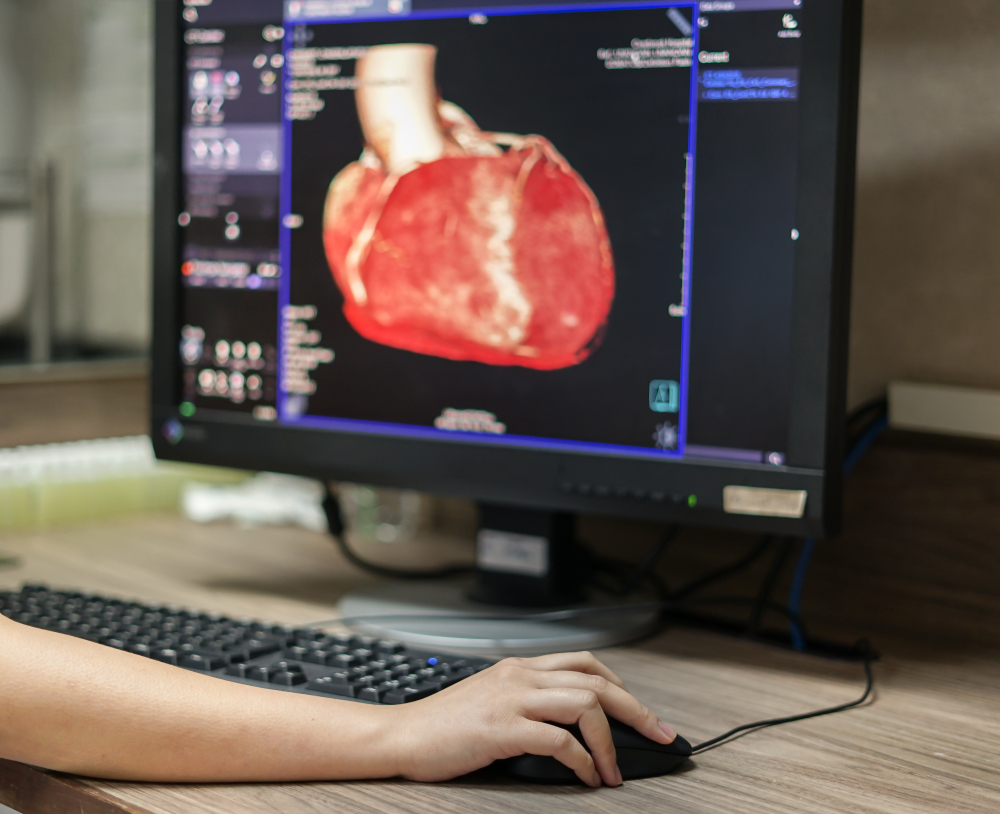
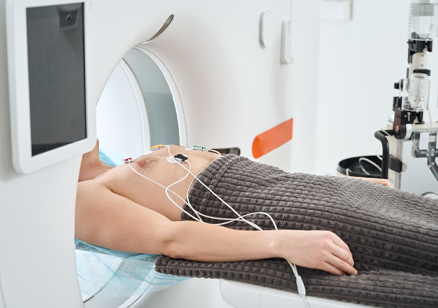
CT Coronary Angiogram

A non-invasive imaging test using advanced CT scanning technology and contrast dye to visualise coronary arteries, detecting blockages or narrowed arteries causing the heart attack.

Stress Echocardiogram

Combines ultrasound imaging with exercise or medication-induced stress to examine how your heart responds when working harder, useful in evaluating heart muscle function and blood flow.

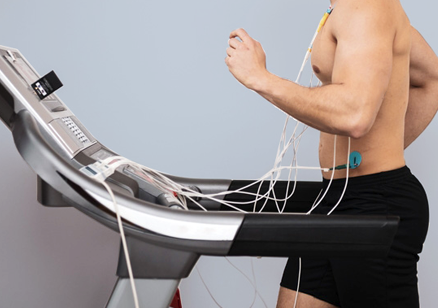
Exercise Treadmill ECG

Monitors your heart’s activity during controlled physical exercise on a treadmill, evaluating symptoms and heart function under stress.

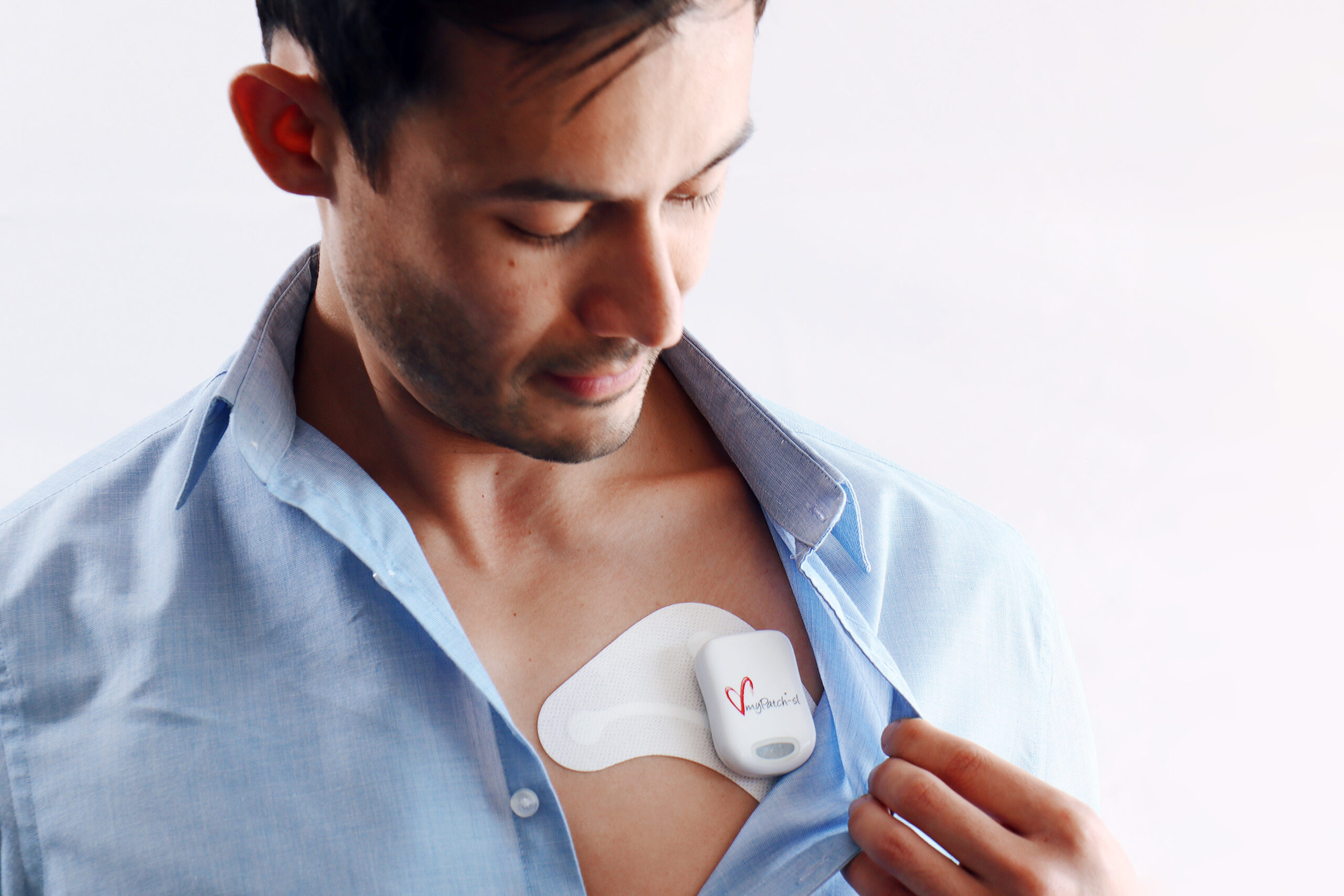
Holter Monitoring

A wearable device recording continuous heart activity over 24 hours or longer, capturing abnormal rhythms associated with increased heart attack risk or related cardiac issues.

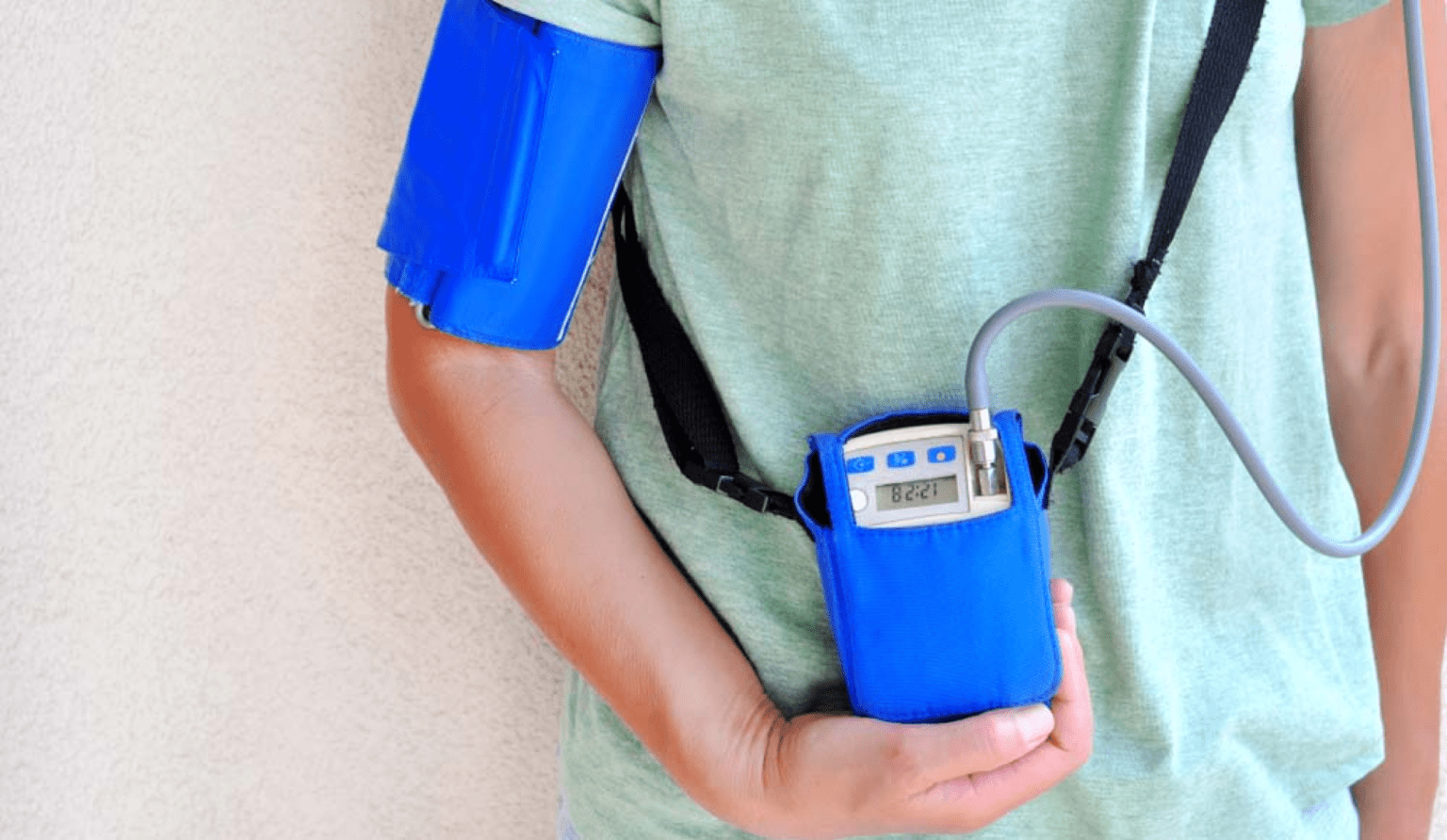
Ambulatory Blood Pressure (ABP) Monitoring

A portable device measuring your blood pressure at regular intervals over 24 hours, providing detailed information to detect hypertension-related risks.

Coronary Calcium Score

A specialised CT scan assessing calcium deposits in coronary arteries, indicating your level of risk for future heart attacks.

Treatment Options for Heart Attack in Singapore

Non-Surgical Treatment

Several medications and non-invasive treatments can help restore blood flow to the heart and prevent further damage during and after a heart attack.

  • Clot-busting medications (thrombolytics): These medications dissolve blood clots that are blocking coronary arteries and are most beneficial when given within the first few hours of a heart attack. They work by breaking down the proteins that hold blood clots together.
  • Antiplatelet medications: Drugs like aspirin and clopidogrel help prevent new blood clots from forming by making blood platelets less likely to stick together. These medications are typically continued long-term after a heart attack.
  • Blood thinners (anticoagulants): These medications help prevent existing clots from getting larger and reduce the risk of new clots forming. They work differently from antiplatelet drugs by affecting the blood’s clotting proteins.
  • Beta-blockers: These medications slow the heart rate and reduce blood pressure, decreasing the heart’s workload and oxygen demand. Beta-blockers also help prevent dangerous heart rhythm abnormalities.
  • ACE inhibitors: These drugs help relax blood vessels and reduce blood pressure, making it easier for the heart to pump blood. They also help prevent further damage to the heart muscle and reduce the risk of future heart problems.
  • Statins: These cholesterol-lowering medications help reduce the risk of future heart attacks by stabilising existing plaques in arteries and preventing new ones from forming.
Surgical Treatment

When medications alone are not sufficient, surgical procedures can restore blood flow to the heart muscle and prevent future heart attacks.

  • Coronary Angiogram and Angioplasty: Using minimally invasive catheter-based techniques to directly visualise blocked arteries (angiogram) and restore blood flow by inflating a small balloon within the artery (angioplasty). Often a tiny mesh tube (stent) is placed to keep the artery open.
  • Electrophysiology Study and Cardiac Ablation: For diagnosing and treating irregular heart rhythms (arrhythmias) which may complicate recovery after a heart attack. This procedure identifies problematic heart tissue and treats it using targeted radiofrequency energy.
  • Pacemakers and Implantable Cardiac Devices: Implanting devices under the skin to regulate abnormal heart rhythms, ensuring your heart maintains a stable and safe rate, significantly reducing the risk of further cardiac events.

Are your symptoms affecting your quality of life?

Consult our MOH-accredited specialist for a comprehensive diagnosis & personalised treatment plan today.

cta img 2

Prevention and Management

Preventing future heart attacks involves managing risk factors through lifestyle changes and medications. This includes taking prescribed medications consistently, maintaining a heart-healthy diet low in saturated fats and sodium, engaging in regular physical activity as recommended by your doctor, stopping smoking, managing stress, and keeping blood pressure, cholesterol, and diabetes under control. Regular follow-up appointments allow for monitoring of heart function and adjustment of treatment plans as needed.


When to See a Cardiology Specialist in Singapore

Seek immediate medical attention at your nearest hospital if you experience:

  • chest pain lasting several minutes
  • severe shortness of breath
  • Nausea
  • cold sweats
  • dizziness

After emergency treatment, schedule a cardiology consultation promptly for follow-up care.

Frequently Asked Questions (FAQs)

Can you have a heart attack without feeling chest pain?

Yes, particularly women, elderly people, and those with diabetes may experience heart attacks with little or no chest pain. These may present with symptoms like shortness of breath, nausea, or unusual fatigue instead.

How quickly should you seek help if you think you’re having a heart attack?

You should call emergency services immediately if you suspect a heart attack, even if you’re not certain. Treatment is most beneficial when started within the first hour of symptom onset.

Will you need to take medications for the rest of your life after a heart attack?

Most people require long-term medications after a heart attack to prevent future cardiac events. Your doctor will determine which medications you need and may adjust them over time based on your recovery and overall health.

Can you drive after having a heart attack?

Driving restrictions vary depending on the type of heart attack and your recovery, but most people can resume driving within one to four weeks. Your doctor will advise when it’s appropriate for you to drive again based on your individual situation.

Frame 1894

Dr. Kua Jieli

MBBS (SG)|MRCP (UK)|MMed (Internal Med) (SG)|FAMS (Cardiology, SG)

Dr. Kua is a senior consultant cardiologist specialised in interventional cardiology and is the medical director at Carrington Cardiology.

  • He is experienced in managing complex coronary artery disease and a variety of other cardiovascular diseases and conditions.
  • He also handles difficult coronary interventional procedures such as left main disease, chronic total occlusions, and calcified lesions.
  • He served as a Senior Consultant at National University Hospital Singapore and Ng Teng Fong General Hospital and was also the Director of the Cardiovascular Catheterisation Laboratory.

Prior to this, he served as an International Cardiology Fellow and Honorary Consultant at Hammersmith Hospital Imperial Healthcare Trust, where he gained valuable experience in various prestigious healthcare institutions.

Location Contact Background
Image location

Mount Elizabeth Medical Centre
3 Mount Elizabeth, #12-02 Medical Centre
Singapore 228510

Image time

Mon to Fri: 09:00am – 05:00pm
Sat: 09:00am – 12:30pm
Sun & Public Holidays: Closed

Get In Touch With Us

Leave us a message and we’ll get back to you shortly


    Full Name*

    Email Address*

    Phone Number*

    Your Message*

    For Faster Response, Call us!

    +65 6956 6588


    Image location

    Mount Elizabeth Medical Centre
    3 Mount Elizabeth, #12-02 Medical Centre
    Singapore 228510

    Image time

    Mon to Fri: 09:00am – 05:00pm
    Sat: 09:00am – 12:30pm
    Sun & Public Holidays: Closed