




Heart Failure Singapore

Heart failure occurs when your heart muscle is unable to effectively pump sufficient blood around your body. This doesn’t mean your heart has stopped working completely, but rather that it’s struggling to meet your body’s needs for oxygen and nutrients. The condition can develop gradually over time or appear suddenly, and it affects people differently depending on which part of the heart is involved.

doctor img
Dr. Kua Jieli

MBBS (SG)|MRCP (UK)|MMed (Internal Med) (SG)|FAMS (Cardiology, SG)

Image Carrington heart failure
Image Woman sneezing on bed

Symptoms of Heart Failure

Heart failure can cause various symptoms that may develop slowly or appear quite suddenly.

  • Shortness of breath: You may experience difficulty breathing during everyday activities like climbing stairs or even whilst resting.
  • Persistent tiredness and weakness: You might feel unusually tired or weak, even after rest, as your body isn’t receiving enough oxygen-rich blood.
  • Swelling in legs, ankles, or feet: Fluid can build up in your lower body, causing noticeable puffing or swelling that may worsen throughout the day.
  • Rapid or irregular heartbeat: Your heart may feel like it’s racing, fluttering, or beating in an uneven pattern as it tries to pump more effectively.
  • Persistent cough or wheezing: You may develop a nagging cough that produces white or pink-tinged mucus, particularly when lying down.
  • Sudden weight gain: You might notice your weight increasing by several pounds over a few days due to fluid retention.
  • Reduced ability to exercise: Activities you used to manage easily may become difficult or leave you feeling breathless and tired.

Causes and Risk Factors of Heart Failure

Heart failure can develop from various conditions that damage or overwork your heart muscle.

  • Coronary artery disease

    Narrowed or blocked arteries reduce blood flow to your heart muscle, weakening its ability to pump effectively. This is one of the most common causes of heart failure.

  • High blood pressure

    When your blood pressure remains elevated over time, your heart must work harder to pump blood, which can eventually weaken the heart muscle.

  • Previous heart attack

    A heart attack damages part of your heart muscle, leaving scar tissue that cannot contract properly and reducing your heart’s pumping ability.

  • Heart valve problems

    Damaged or diseased valves force your heart to work harder to keep blood flowing in the right direction through your heart.

  • Cardiomyopathy

    This refers to diseases of the heart muscle itself, which can be inherited, caused by infections, or result from other medical conditions.

  • Irregular heart rhythms

    Abnormal heart rhythms, particularly those that are very fast or slow, can weaken your heart over time.

  • Diabetes

    High blood sugar levels can damage blood vessels and nerves that control your heart, increasing your risk of developing heart failure.

  • Sleep apnoea

    This condition causes repeated interruptions in breathing during sleep, putting extra strain on your heart.

  • Excessive alcohol consumption

    Drinking too much alcohol over many years can weaken your heart muscle and lead to heart failure.

  • Age

    Your risk increases with age, particularly after 65, as your heart muscle naturally weakens over time.

Types of Heart Failure

Heart failure is classified into different types based on how it affects your heart’s pumping ability.

Heart failure with reduced ejection fraction (HFrEF)


This occurs when your heart muscle becomes weak and cannot squeeze well to pump blood out to your body.

Heart failure with preserved ejection fraction (HFpEF)


In this type, your heart muscle becomes stiff and cannot relax well to fill with blood between beats.

Left-sided heart failure


This affects the left side of your heart, which is responsible for pumping oxygen-rich blood to your body. It can cause fluid to back up into your lungs.

Right-sided heart failure


This affects the right side of your heart, which pumps blood to your lungs, and often causes swelling in your legs, ankles, and abdomen.

Diagnostic Methods

Several tests and examinations help determine whether you have heart failure and identify the best treatment approach for your situation.

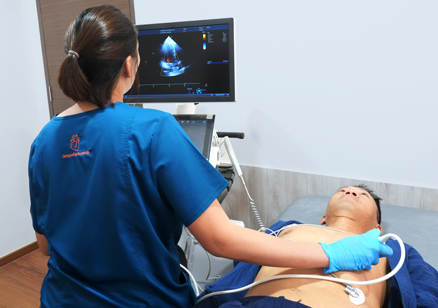
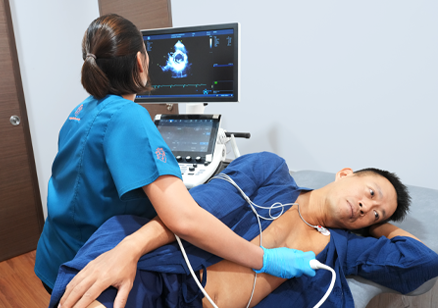
Transthoracic echocardiogram (TTE)

An ultrasound test that provides detailed images to assess how effectively your heart pumps blood and detect structural issues.

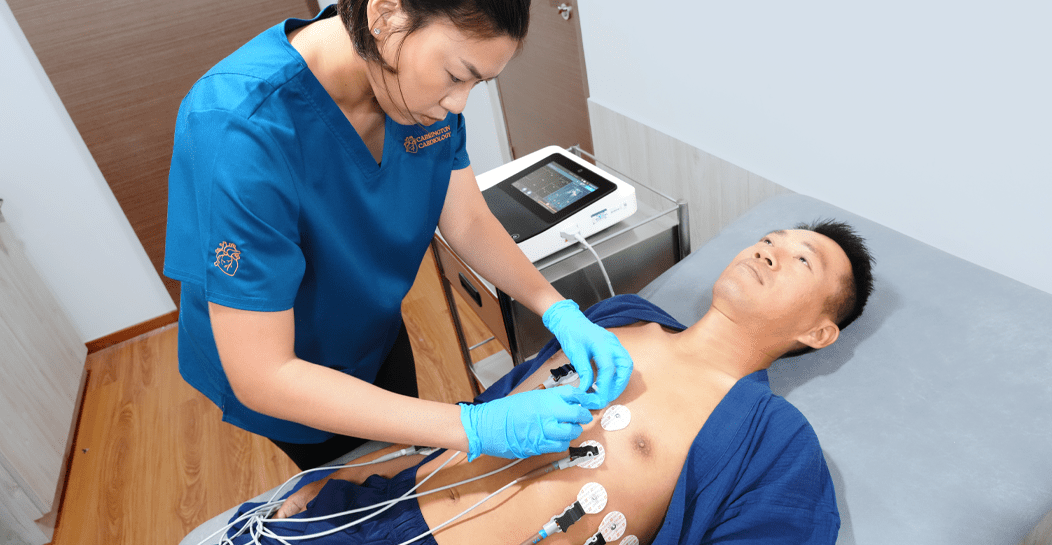
Electrocardiogram (ECG/EKG)

A test recording your heart’s electrical activity to identify irregular rhythms and previous heart damage.

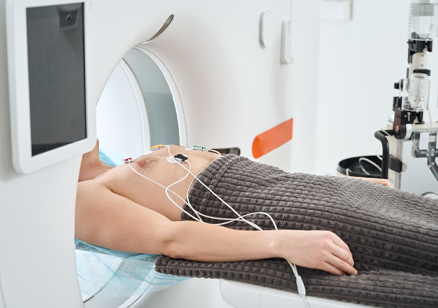
CT Coronary Angiogram

A detailed imaging scan assessing your coronary arteries for blockages or narrowing.

Stress Echocardiogram

A heart ultrasound conducted during controlled physical activity to evaluate your heart’s function under stress.

Ambulatory Blood Pressure (ABP) Monitoring

24-hour blood pressure monitoring to detect hypertension or other issues affecting heart function.

Holter Monitoring

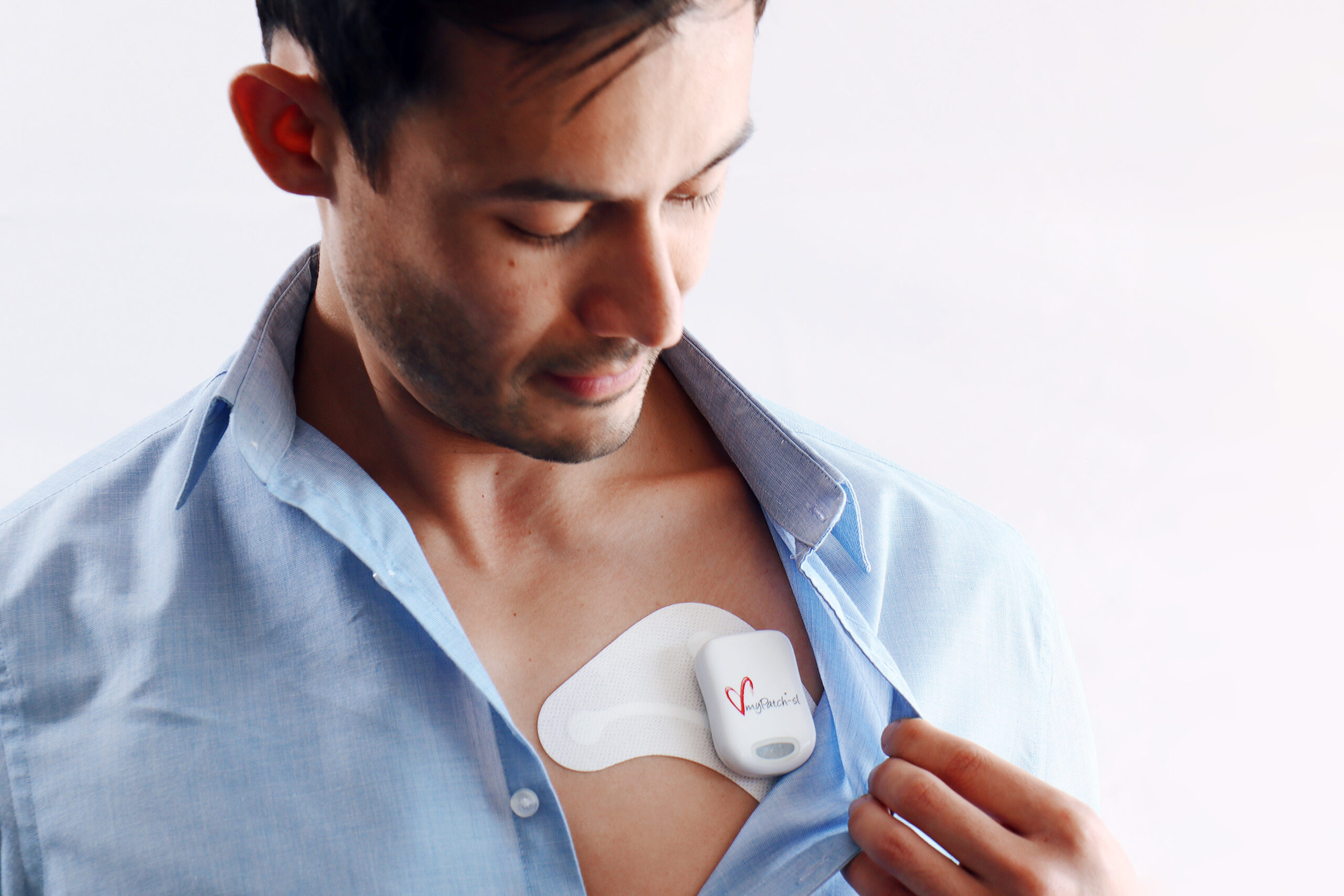
A continuous, wearable ECG recording your heart rhythm over 24–48 hours to detect irregularities.

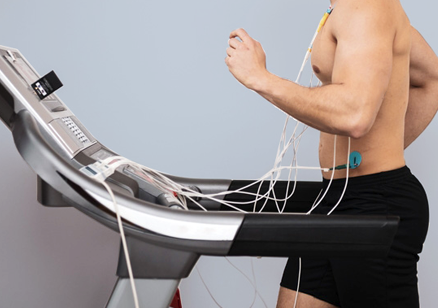
Exercise Treadmill ECG

A monitored exercise test to observe how your heart responds under exertion.

Coronary Calcium Score

A CT scan measuring calcium deposits in your arteries, helping identify the risk of coronary artery disease.

Treatment Options for Heart Failure in Singapore

Non-Surgical Treatment

Various medications and lifestyle modifications can help manage heart failure symptoms and improve your heart’s function over time.

  • Medication Therapy: Tailored prescriptions (e.g., ACE inhibitors, beta-blockers, diuretics) to reduce heart strain, lower blood pressure, and control fluid retention.
  • Lifestyle and Dietary Guidance: Individualised advice on diet, fluid management, exercise, and monitoring symptoms to support your heart health long-term.
Surgical Treatment

When medications alone are not sufficient, various procedures can help improve your heart’s function and relieve symptoms.

Are your symptoms affecting your quality of life?

Consult our MOH-accredited specialist for a comprehensive diagnosis & personalised treatment plan today.

cta img 2

Prevention and Management

Managing heart failure involves taking prescribed medications as directed, monitoring your weight daily for sudden increases, and limiting salt intake to reduce fluid retention. Regular follow-up appointments allow for medication adjustments and early detection of worsening symptoms, whilst avoiding smoking and limiting alcohol consumption can prevent further damage to your heart muscle.

When to See a Heart Specialist in Singapore

Consulting a cardiology specialist in Singapore early can significantly enhance the management of heart failure and improve your overall quality of life. You should schedule an appointment promptly if you experience:

  • Persistent shortness of breath, especially during routine tasks or when lying flat.
  • Ongoing fatigue or weakness not relieved by rest.
  • Swelling in your legs, ankles, or abdomen, particularly if accompanied by rapid weight gain.
  • Frequent or worsening heart palpitations, irregular heartbeat, or dizziness.
  • Chest discomfort or pain, particularly if it increases during physical activity or stress.

Early assessment by a cardiology specialists ensures prompt diagnosis and tailored treatment, reducing the risk of complications.


Frequently Asked Questions (FAQs)

Can I still travel with heart failure?

Most people with well-managed heart failure can continue to travel, but you should discuss your plans with your doctor beforehand. They may need to adjust your medications or provide advice about managing symptoms whilst away from home.

How will I know if my heart failure is getting worse?

Watch for rapid weight gain (more than 2kg in 2-3 days), increased breathlessness, persistent cough, or worsening swelling in your legs or abdomen. Contact your medical team promptly if you notice any of these changes.

Should I completely avoid salt in my diet?

You don’t need to eliminate salt completely, but reducing your intake can help control fluid retention and swelling. Your healthcare team can provide specific guidance on how much salt is appropriate for your situation.

Will my heart failure affect my ability to work?

Many people with heart failure continue working, though you may need to make some adjustments depending on your symptoms and the physical demands of your job. Discuss any concerns with your doctor about managing work activities.

Frame 1894

Dr. Kua Jieli

MBBS (SG)|MRCP (UK)|MMed (Internal Med) (SG)|FAMS (Cardiology, SG)

Dr. Kua is a senior consultant cardiologist specialised in interventional cardiology and is the medical director at Carrington Cardiology.

  • He is experienced in managing complex coronary artery disease and a variety of other cardiovascular diseases and conditions.
  • He also handles difficult coronary interventional procedures such as left main disease, chronic total occlusions, and calcified lesions.
  • He served as a Senior Consultant at National University Hospital Singapore and Ng Teng Fong General Hospital and was also the Director of the Cardiovascular Catheterisation Laboratory.

Prior to this, he served as an International Cardiology Fellow and Honorary Consultant at Hammersmith Hospital Imperial Healthcare Trust, where he gained valuable experience in various prestigious healthcare institutions.

Location Contact Background
Image location

Mount Elizabeth Medical Centre
3 Mount Elizabeth, #12-02 Medical Centre
Singapore 228510

Image time

Mon to Fri: 09:00am – 05:00pm
Sat: 09:00am – 12:30pm
Sun & Public Holidays: Closed

Get In Touch With Us

Leave us a message and we’ll get back to you shortly


    Full Name*

    Email Address*

    Phone Number*

    Your Message*

    For Faster Response, Call us!

    +65 6956 6588


    Image location

    Mount Elizabeth Medical Centre
    3 Mount Elizabeth, #12-02 Medical Centre
    Singapore 228510

    Image time

    Mon to Fri: 09:00am – 05:00pm
    Sat: 09:00am – 12:30pm
    Sun & Public Holidays: Closed