


Heart Screening Singapore

Heart screening in Singapore involves a combination of non-invasive tests designed to assess your cardiovascular health and detect heart conditions at an early stage, often before symptoms appear. These tests evaluate your heart’s structure, rhythm, and function, providing a comprehensive overview of your heart health. Early detection through screening allows for timely medical intervention, reducing the risk of heart attacks, strokes, and other complications.

doctor img
Dr. Kua Jieli

MBBS (SG)|MRCP (UK)|MMed (Internal Med) (SG)|FAMS (Cardiology, SG)

Image Carrington Heart Screening Singapore
Image heart screening indications

Indications for Heart Screening

Heart screening may be recommended by your cardiologist to assess your individual heart health risks and detect potential cardiovascular issues. It is particularly useful for individuals with known risk factors or unexplained symptoms.

  • Family history of heart disease: If close relatives have experienced heart attacks, strokes, or other cardiovascular conditions, screening can help identify your inherited risk factors.
  • Presence of cardiovascular risk factors: Conditions such as high blood pressure, diabetes, high cholesterol, or obesity increase your likelihood of developing heart disease.
  • Unexplained chest symptoms: If you experience chest discomfort, shortness of breath, or unusual fatigue during daily activities, screening can help determine whether these symptoms are heart-related.
  • Age-related screening recommendations: Adults over 40, particularly men over 45 and women over 55, benefit from regular heart health assessments as cardiovascular risk naturally increases with age.
  • Pre-participation sports screening: Athletes and individuals beginning intensive exercise programmes may require heart screening to ensure their cardiovascular system can safely handle increased physical demands.
  • Occupational health requirements: Certain professions, such as pilots, commercial drivers, or emergency services personnel, may require regular cardiac assessments to ensure fitness for duty.

Benefits of Heart Screening

Heart screening offers several advantages that can significantly impact your long-term health and wellbeing.

  • Early detection of heart conditions

    Identifying cardiovascular problems before symptoms appear allows for prompt treatment and better outcomes. Many heart conditions progress silently, and screening can catch these issues when they’re most manageable.

  • Personalised risk assessment

    The screening results help your cardiologist understand your individual cardiovascular risk profile and develop a tailored prevention strategy. This personalised approach addresses your specific needs and circumstances rather than applying general recommendations.

  • Guidance for lifestyle modifications

    Screening results often reveal areas where lifestyle changes could benefit your heart health, such as dietary adjustments, exercise recommendations, or stress management techniques. Your cardiologist can provide specific guidance based on your individual findings.

  • Prevention of cardiovascular complications

    By identifying and addressing risk factors early, screening can help prevent heart attacks, strokes, and other cardiovascular complications. This proactive approach often proves more manageable than treating established heart disease.

Heart Screening Techniques in Singapore

Heart screening programmes typically incorporate several diagnostic techniques to provide a comprehensive assessment of your cardiovascular health.

Transthoracic Echocardiogram (TTE)

A non-invasive ultrasound scan that produces moving images of your heart, allowing your cardiologist to assess its structure, chamber size, valve function, and pumping ability.

Electrocardiogram (ECG/EKG)

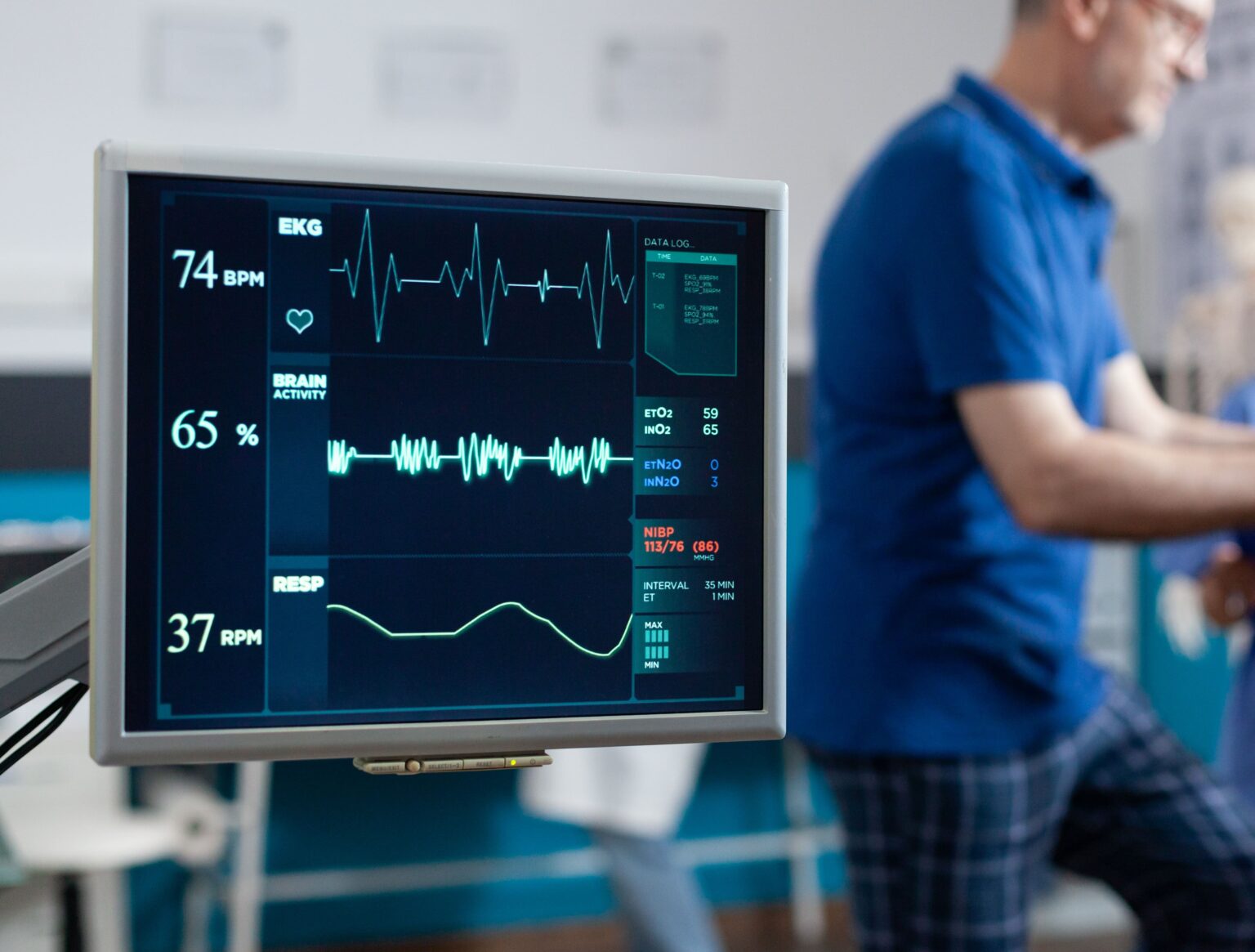
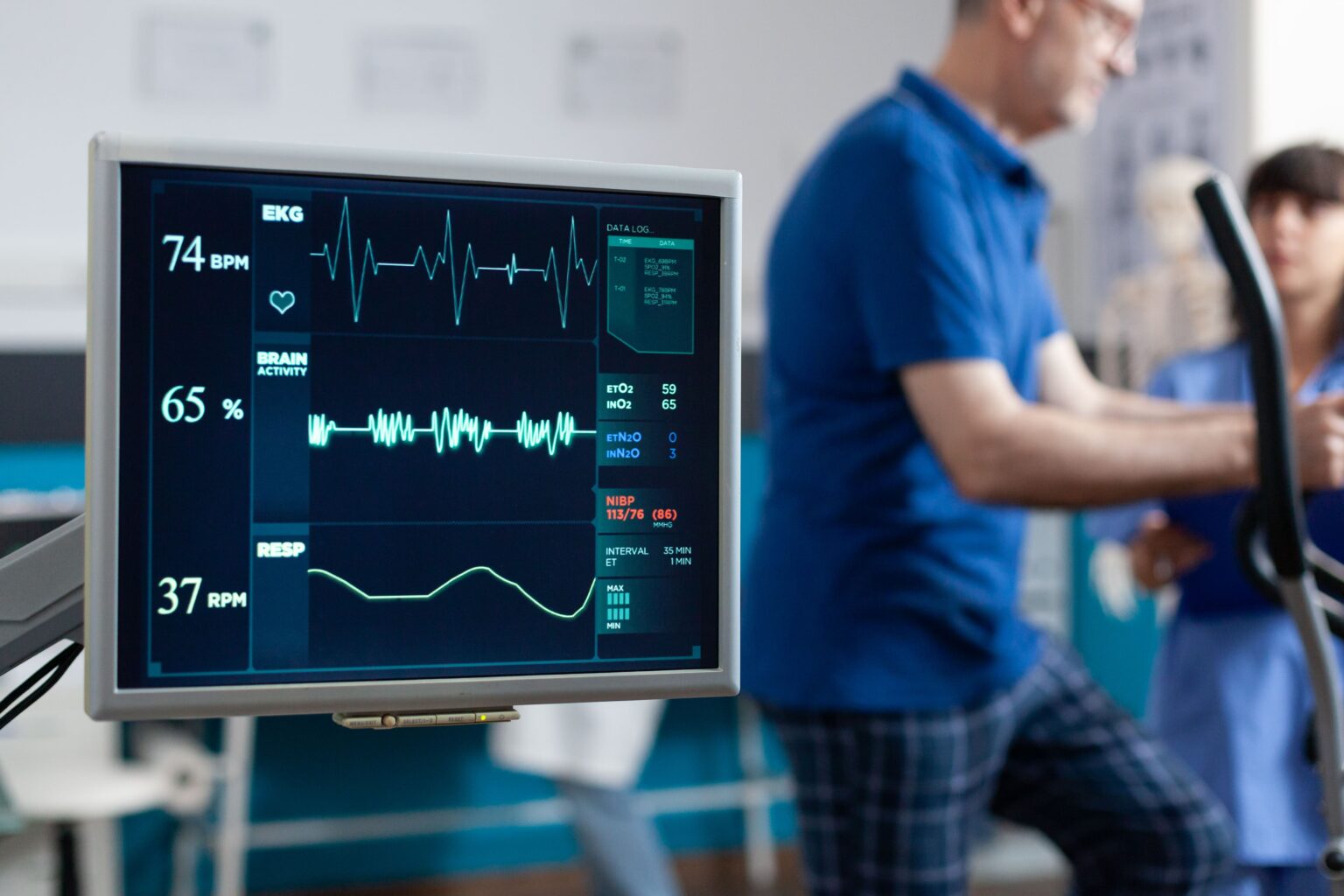
Records the heart’s electrical activity using electrodes placed on the chest. This test detects irregular heart rhythms (arrhythmias), previous heart attacks, or other electrical abnormalities.

CT Coronary Angiogram

A specialised CT scan that provides detailed images of your coronary arteries. It identifies narrowing or blockages that could lead to chest pain or heart attacks.

Stress Echocardiogram

Assesses how well your heart functions under physical stress. Ultrasound images are taken before and after exercise to detect areas of reduced blood flow to the heart.

Ambulatory Blood Pressure (ABP) Monitoring

A portable device measures your blood pressure at regular intervals over 24 hours, providing a more accurate picture of your blood pressure patterns compared to clinic readings.

Holter Monitoring

A small, portable device continuously records your heart rhythm over 24 to 48 hours during your normal daily activities, helping detect intermittent arrhythmias.

Exercise Treadmill ECG

Records your heart’s electrical activity while you walk on a treadmill. This test reveals how your heart responds to physical exertion and can uncover hidden heart problems.

Coronary Calcium Score

A quick CT scan that measures calcium deposits in your coronary arteries. It provides an early indication of plaque buildup and helps estimate your risk of developing heart disease.

Preparing for Heart Screening

Medical history review: Gather information about your family’s cardiovascular history, current medications, and any symptoms you’ve experienced.

Medication considerations: Continue taking your regular medications unless specifically instructed otherwise by your cardiologist.

Fasting requirements: Some blood tests require fasting for 8-12 hours beforehand, typically overnight before morning appointments.

Physical preparation: Avoid vigorous exercise, caffeine, and smoking for several hours before your appointment, as these can affect test results. Light meals are generally acceptable unless fasting is required for blood work.

What to Expect During Heart Screening

Initial Consultation
Your cardiologist reviews your medical history, discusses your symptoms (if any), and recommends specific investigations based on your health profile.
Transthoracic Echocardiogram (TTE)
A technician applies gel to your chest and uses an ultrasound probe to capture moving images of your heart. This painless test takes about 20-30 minutes.
Electrocardiogram (ECG/EKG)
Small adhesive electrodes are placed on your chest, arms, and legs to record your heart’s electrical activity. The test is quick and painless, lasting just a few minutes.
CT Coronary Angiogram or Coronary Calcium Score (if indicated)
You may be referred for a CT scan to assess your coronary arteries. These tests require you to lie still for a few minutes while the scan is performed.
Exercise Tests (if applicable)
Depending on your risk profile, a Stress Echocardiogram or Exercise Treadmill ECG may be recommended. These tests monitor your heart during controlled physical activity to assess its function and blood flow.
Ambulatory Monitoring (if needed)
For conditions like suspected high blood pressure or irregular heart rhythms, you may be fitted with a portable Holter Monitor or Ambulatory Blood Pressure Monitor to wear at home for 24 to 48 hours.

Are your symptoms affecting your quality of life?

Consult our MOH-accredited specialist for a comprehensive diagnosis & personalised treatment plan today.

cta img 2

After Care and Recovery

Immediate Care

Post-screening activities: Most patients can resume normal activities immediately after heart screening, as the tests are non-invasive and require no recovery time.

Managing minor effects: Some patients may experience mild skin irritation from electrode adhesive or slight soreness from blood draws. These minor effects typically resolve within a few hours without any special treatment.

Activity guidelines: There are generally no restrictions on driving, work, or daily activities following heart screening. You can return to your normal routine unless your cardiologist provides specific guidance based on your results.

Recovery Timeline

Same-day return to routine: Heart screening procedures allow you to continue with your planned activities for the rest of the day. The non-invasive nature of these tests means no recovery period is typically required.

Follow-up Care

Results consultation: Your cardiologist will schedule a follow-up appointment to discuss your screening results in detail and answer any questions you may have.

Future screening schedule: Depending on your results and risk factors, your cardiologist will recommend an appropriate schedule for future heart screenings.

Ongoing care coordination: If screening reveals any concerns, your cardiologist will coordinate with other healthcare providers as needed and guide you through any recommended treatments or lifestyle changes.

Potential Risks and Complications

Heart screening procedures are generally very low risk. The most common minor effects include temporary skin irritation from electrode adhesive, slight bruising at blood draw sites, or mild fatigue following exercise stress testing. These effects are typically short-lived and resolve on their own within a day or two.

A consultation with a qualified cardiologist in Singapore ensures that your screening is tailored to your health status, with all recommended tests carefully selected to minimise risks while providing accurate, relevant information about your heart health.


Frequently Asked Questions (FAQs)

Will I need to take time off work for heart screening?

Most heart screening appointments can be scheduled to fit around your work commitments, typically taking 1-2 hours depending on which tests are included. You can usually return to work immediately afterwards, as there’s no recovery time needed for these non-invasive procedures.

Can I drive myself home after the screening?

Yes, you can drive yourself to and from your heart screening appointment unless you’ve had sedation for a particular procedure, which is uncommon for standard screening tests. The tests don’t affect your ability to drive or operate machinery.

How accurate are heart screening results?

Heart screening tests are generally reliable when performed by qualified professionals, though no medical test is 100% accurate. Your cardiologist will interpret results in the context of your symptoms, medical history, and physical examination to provide the most accurate assessment possible.

What happens if I can’t complete the exercise stress test?

If you’re unable to complete an exercise stress test due to physical limitations or symptoms, your cardiologist may recommend alternative forms of stress testing or focus on other screening methods. There are several ways to assess heart function, and your screening can be tailored to your capabilities.

Frame 1894

Dr. Kua Jieli

MBBS (SG)|MRCP (UK)|MMed (Internal Med) (SG)|FAMS (Cardiology, SG)

Dr. Kua is a senior consultant cardiologist specialised in interventional cardiology and is the medical director at Carrington Cardiology.

  • He is experienced in managing complex coronary artery disease and a variety of other cardiovascular diseases and conditions.
  • He also handles difficult coronary interventional procedures such as left main disease, chronic total occlusions, and calcified lesions.
  • He served as a Senior Consultant at National University Hospital Singapore and Ng Teng Fong General Hospital and was also the Director of the Cardiovascular Catheterisation Laboratory.

Prior to this, he served as an International Cardiology Fellow and Honorary Consultant at Hammersmith Hospital Imperial Healthcare Trust, where he gained valuable experience in various prestigious healthcare institutions.

Location Contact Background
Image location

Mount Elizabeth Medical Centre
3 Mount Elizabeth, #12-02 Medical Centre
Singapore 228510

Image time

Mon to Fri: 09:00am – 05:00pm
Sat: 09:00am – 12:30pm
Sun & Public Holidays: Closed

Get In Touch With Us

Leave us a message and we’ll get back to you shortly


    Full Name*

    Email Address*

    Phone Number*

    Your Message*

    For Faster Response, Call us!

    +65 6956 6588


    Image location

    Mount Elizabeth Medical Centre
    3 Mount Elizabeth, #12-02 Medical Centre
    Singapore 228510

    Image time

    Mon to Fri: 09:00am – 05:00pm
    Sat: 09:00am – 12:30pm
    Sun & Public Holidays: Closed