High Cholesterol (Hyperlipidemia) Treatment in Singapore

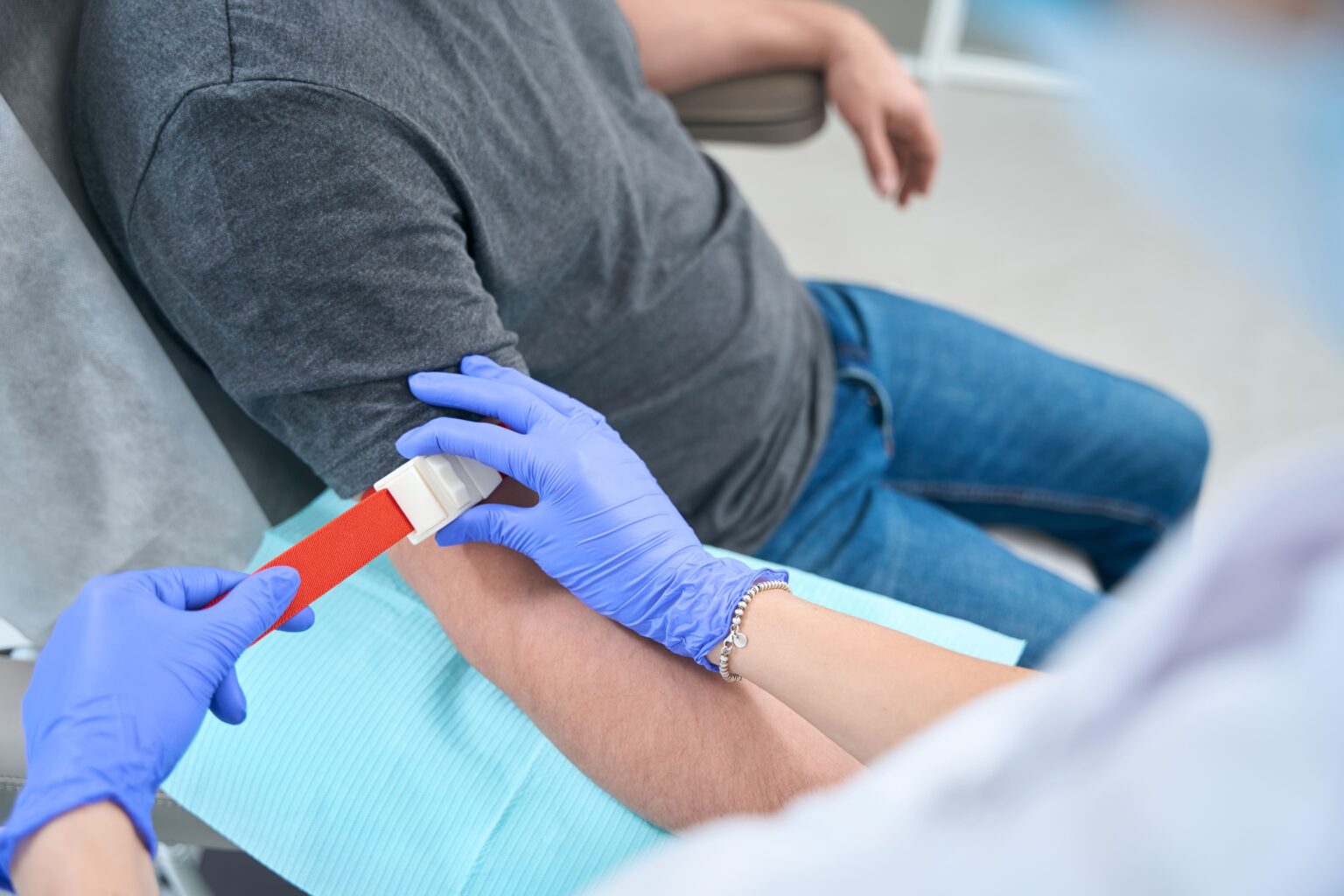
Hyperlipidemia, commonly known as high cholesterol, occurs when there are elevated levels of fats (lipids) in your blood, including cholesterol and triglycerides. Over time, these fats can build up in your arteries, narrowing them and reducing blood flow to vital organs like the heart and brain. Many people with high cholesterol experience no symptoms, making regular blood tests essential for early detection and prevention of heart-related complications.

doctor img
Dr. Kua Jieli

MBBS (SG)|MRCP (UK)|MMed (Internal Med) (SG)|FAMS (Cardiology, SG)

Image Carrington high cholesterol
Image high cholesterol symptoms

Symptoms of Hyperlipidemia

High cholesterol typically doesn’t cause noticeable symptoms in its early stages, but some people may experience the following:

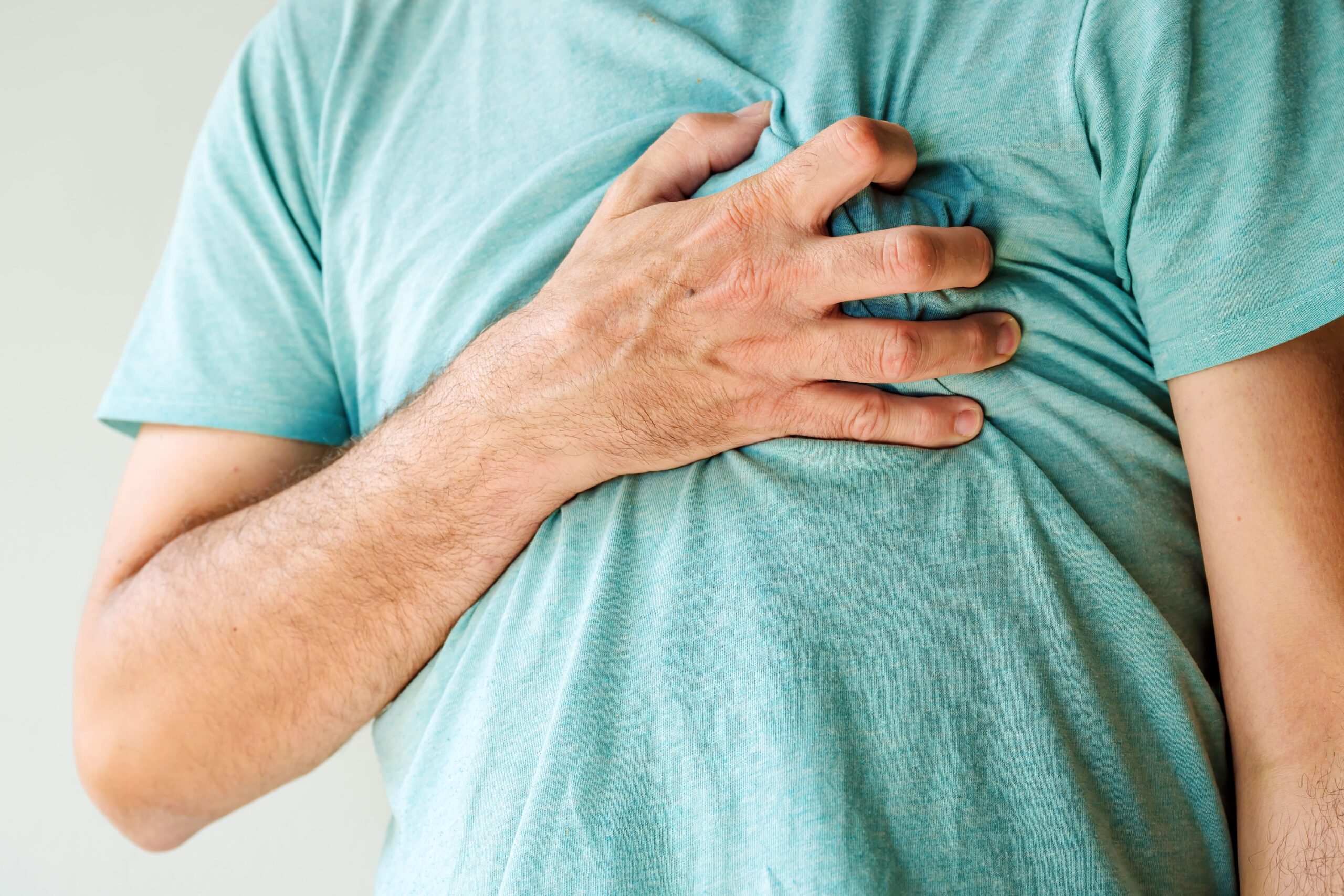
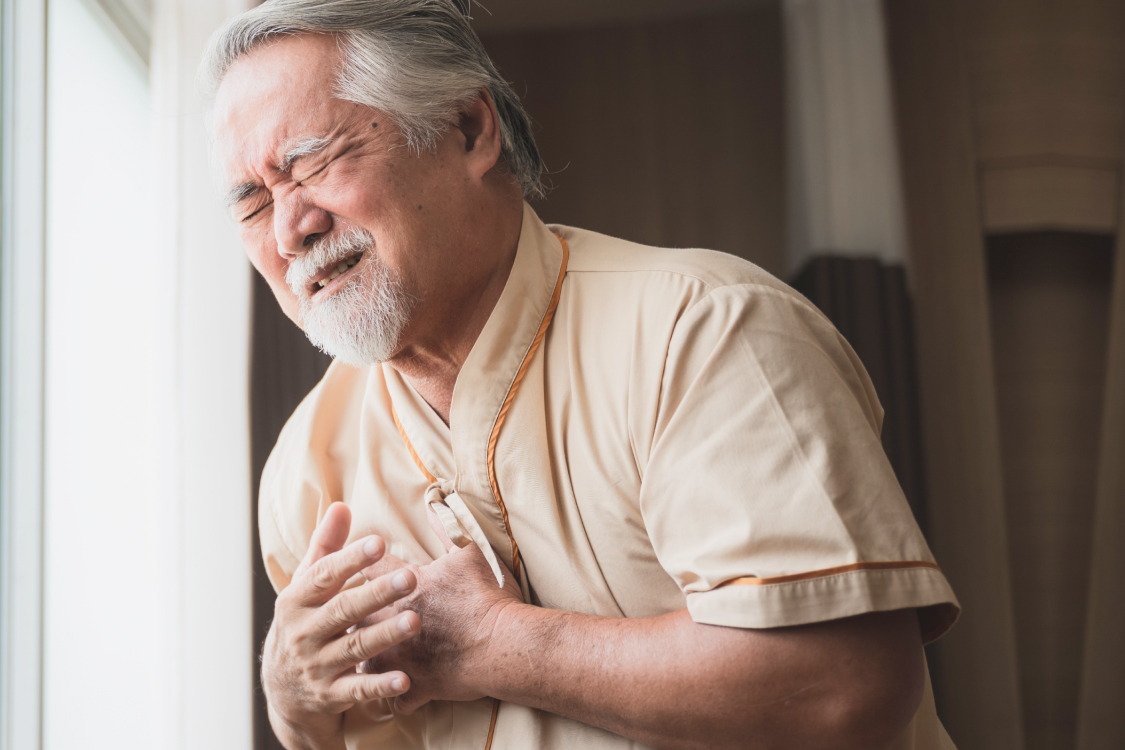
  • Chest discomfort or pain: Tightness, pressure, or aching in your chest, particularly during physical activity or stress.
  • Shortness of breath: Difficulty breathing or feeling winded during normal activities that didn’t previously cause breathlessness.
  • Leg pain when walking: Cramping, aching, or tiredness in your leg muscles during walking that improves with rest.
  • Yellowish deposits around the eyes (xanthelasma): Small, yellowish bumps or patches that appear on or around the eyelids.
  • Fatigue or weakness: Feeling unusually tired or lacking energy, particularly during physical activities.

Causes and Risk Factors of Hyperlipidemia

Several factors can contribute to developing high cholesterol, ranging from lifestyle choices to genetic predisposition:

  • Diet high in saturated and trans fats

    Foods like red meat, full-fat dairy products, fried foods, and processed snacks can raise cholesterol levels in your blood.

  • Lack of physical activity

    A sedentary lifestyle can lower your good cholesterol (HDL) whilst allowing bad cholesterol (LDL) to accumulate.

  • Family history

    Genetic factors can affect how your body processes cholesterol, making some people more prone to high levels even with a healthy lifestyle.

  • Age and gender

    Cholesterol levels tend to rise with age, and men typically develop higher levels earlier than women, though women’s risk increases after menopause.

  • Smoking

    Tobacco use damages blood vessel walls and can lower good cholesterol whilst contributing to the buildup of fatty deposits.

  • Excess weight

    Carrying extra weight, particularly around your midsection, can raise your triglyceride levels and lower good cholesterol.

  • Diabetes

    High blood sugar levels can damage artery walls and contribute to higher levels of bad cholesterol and triglycerides.

  • Certain medications

    Some drugs, including certain diuretics, beta-blockers, and steroids, can affect your cholesterol levels.

Types of Hyperlipidemia

Hyperlipidemia is classified based on which types of fats are elevated in your blood:

Hypercholesterolaemia

This involves high levels of cholesterol, particularly low-density lipoprotein (LDL or “bad” cholesterol). It’s the most common form and increases your risk of heart disease and stroke.

Hypertriglyceridaemia

This condition involves elevated triglyceride levels in your blood. High triglycerides often occur alongside low levels of high-density lipoprotein (HDL or “good” cholesterol).

Mixed hyperlipidemia

This involves elevated levels of both cholesterol and triglycerides. It’s often associated with metabolic syndrome and diabetes.

Familial hypercholesterolaemia

This is an inherited condition causing very high cholesterol levels from birth. People with this condition have a genetic defect that affects how their body removes cholesterol from the blood.

Diagnostic Methods

Several tests and assessments help diagnose hyperlipidemia and assess your heart health:

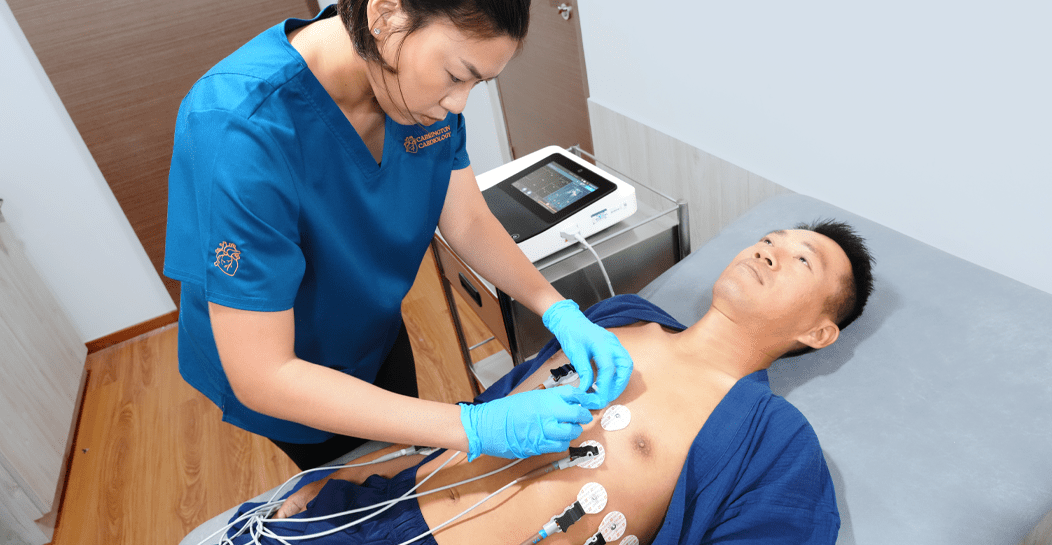
Electrocardiogram (ECG)

Records your heart’s electrical activity and may detect signs of heart disease linked to high cholesterol.

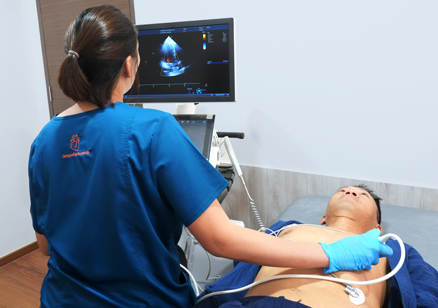
Transthoracic echocardiogram (TTE)

An ultrasound scan that produces images of your heart, helping assess heart structure and function that may be affected by high cholesterol.

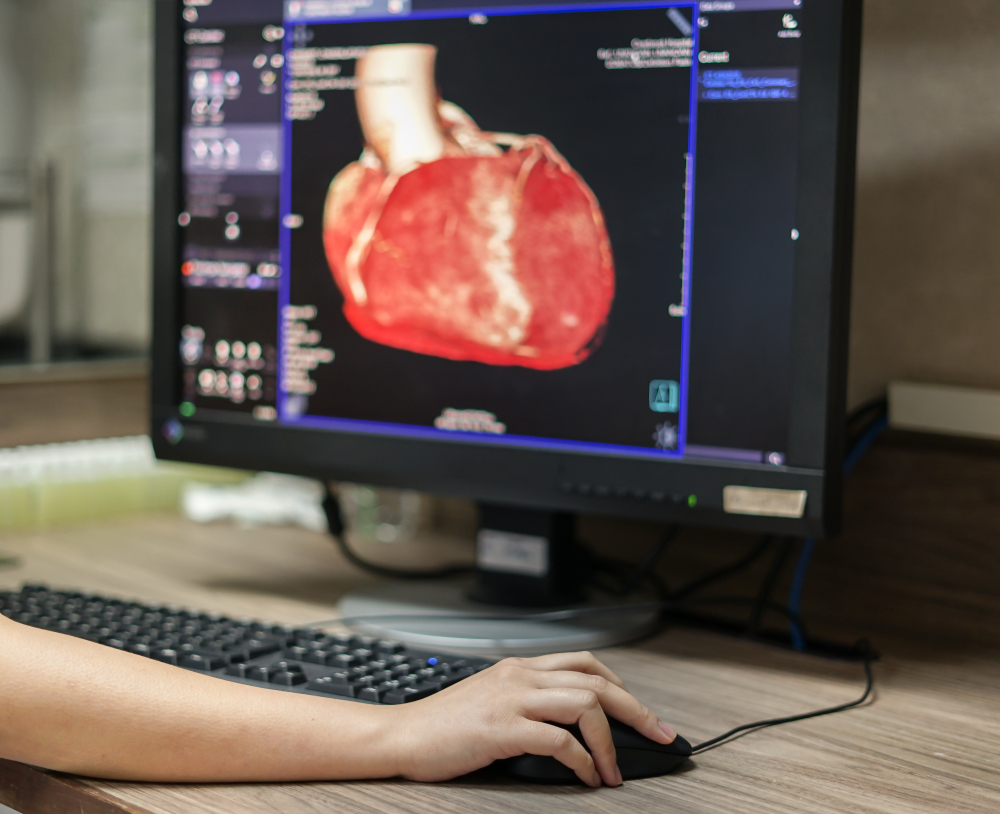
CT Coronary Angiogram

A specialised CT scan that creates detailed images of your heart’s arteries, helping detect cholesterol-related blockages or narrowing.

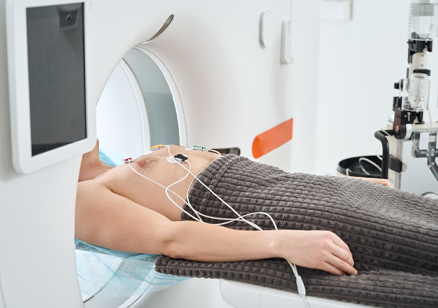
Coronary Calcium Score

A CT-based scan that measures calcium deposits in your heart’s arteries, providing an early indication of cholesterol-related plaque buildup.

Treatment Options for Hyperlipidemia in Singapore

Non-Surgical Treatment

Most patients with hyperlipidemia can be managed through medication and lifestyle modifications tailored to their specific cholesterol profile:

  • Statin therapy: These medications reduce cholesterol production in your liver and help remove existing cholesterol from your blood. Common statins include atorvastatin, simvastatin, and rosuvastatin.
  • Lifestyle counselling and monitoring: Regular consultations to discuss diet, exercise, and smoking cessation, with ongoing monitoring by your cardiology team to track your cholesterol response.
  • Combination drug therapy: Some patients may require additional medications alongside statins, such as ezetimibe to reduce cholesterol absorption or PCSK9 inhibitors for severe cases.
  • Blood pressure management: Treatment of high blood pressure when it occurs alongside high cholesterol, as both conditions together significantly increase cardiovascular risk.
  • Diabetes management coordination: For patients with diabetes, coordinated care to manage blood sugar levels, which directly impacts cholesterol and triglyceride levels.
Surgical Treatment

Surgical interventions are rarely required for hyperlipidemia alone but may be necessary when the condition has led to significant cardiovascular complications:

  • Coronary Angiogram & Angioplasty: A coronary angiogram identifies blockages in the heart’s arteries. If significant narrowing is detected, angioplasty is performed to restore blood flow by inserting a stent. It is used when medical treatment alone is insufficient.

Are your symptoms affecting your quality of life?

Consult our MOH-accredited specialist for a comprehensive diagnosis & personalised treatment plan today.

cta img 2

Prevention and Management

Preventing high cholesterol involves a heart-healthy diet low in saturated and trans fats, increasing soluble fibre intake through oats, beans, and fruits, and engaging in at least 150 minutes of physical activity per week. Maintaining a healthy weight and avoiding tobacco use also significantly reduce your risk.

When to See a Cardiologist in Singapore

You should see a cardiologist if you:

  • Have high cholesterol and a family history of heart disease
  • Have cholesterol levels that remain high despite lifestyle changes
  • Experience symptoms such as chest discomfort, breathlessness, or fatigue
  • Have other risk factors such as diabetes, high blood pressure, or smoking
  • Are concerned about your risk of heart disease and want a personalised assessment

A cardiologist can evaluate your heart health, recommend appropriate tests, and help manage your cholesterol to reduce your risk of complications.


Frequently Asked Questions (FAQs)

How often should I have my cholesterol checked?

Adults should have their cholesterol tested every 4-6 years starting at age 20, but more frequent testing may be recommended if you have risk factors or are on treatment.

Will I need to take cholesterol medication for life?

Most people require long-term medication because cholesterol levels typically return to previous high levels within weeks of stopping treatment. Your doctor will review your medication needs regularly based on your response to treatment.

What’s the difference between good and bad cholesterol?

LDL cholesterol (bad) carries cholesterol to your arteries where it can build up, whilst HDL cholesterol (good) carries cholesterol away from your arteries to your liver for disposal.

How quickly will I notice improvements after starting treatment for high cholesterol in Singapore?

Most people see significant improvements in their cholesterol levels within 4-6 weeks of starting treatment, though maximum benefits may take up to 3 months to achieve.

Frame 1894

Dr. Kua Jieli

MBBS (SG)|MRCP (UK)|MMed (Internal Med) (SG)|FAMS (Cardiology, SG)

Dr. Kua is a senior consultant cardiologist specialised in interventional cardiology and is the medical director at Carrington Cardiology.

  • He is experienced in managing complex coronary artery disease and a variety of other cardiovascular diseases and conditions.
  • He also handles difficult coronary interventional procedures such as left main disease, chronic total occlusions, and calcified lesions.
  • He served as a Senior Consultant at National University Hospital Singapore and Ng Teng Fong General Hospital and was also the Director of the Cardiovascular Catheterisation Laboratory.

Prior to this, he served as an International Cardiology Fellow and Honorary Consultant at Hammersmith Hospital Imperial Healthcare Trust, where he gained valuable experience in various prestigious healthcare institutions.

Location Contact Background
Image location

Mount Elizabeth Medical Centre
3 Mount Elizabeth, #12-02 Medical Centre
Singapore 228510

Image time

Mon to Fri: 09:00am – 05:00pm
Sat: 09:00am – 12:30pm
Sun & Public Holidays: Closed

Get In Touch With Us

Leave us a message and we’ll get back to you shortly


    Full Name*

    Email Address*

    Phone Number*

    Your Message*

    For Faster Response, Call us!

    +65 6956 6588


    Image location

    Mount Elizabeth Medical Centre
    3 Mount Elizabeth, #12-02 Medical Centre
    Singapore 228510

    Image time

    Mon to Fri: 09:00am – 05:00pm
    Sat: 09:00am – 12:30pm
    Sun & Public Holidays: Closed