You should see a cardiology specialist in Singapore if you frequently experience:
- Palpitations
- Dizziness
- Unexplained fainting episodes
- Sudden shortness of breath
Early evaluation ensures effective management and reduces the risk of complications.

An irregular heartbeat, medically known as arrhythmia, occurs when your heart beats too fast, too slowly, or with an uneven rhythm. This condition can affect people of all ages and may cause your heart to feel like it’s racing, fluttering, or skipping beats. While some arrhythmias are harmless, others may require medical attention to manage symptoms and maintain heart health.

MBBS (SG)|MRCP (UK)|MMed (Internal Med) (SG)|FAMS (Cardiology, SG)
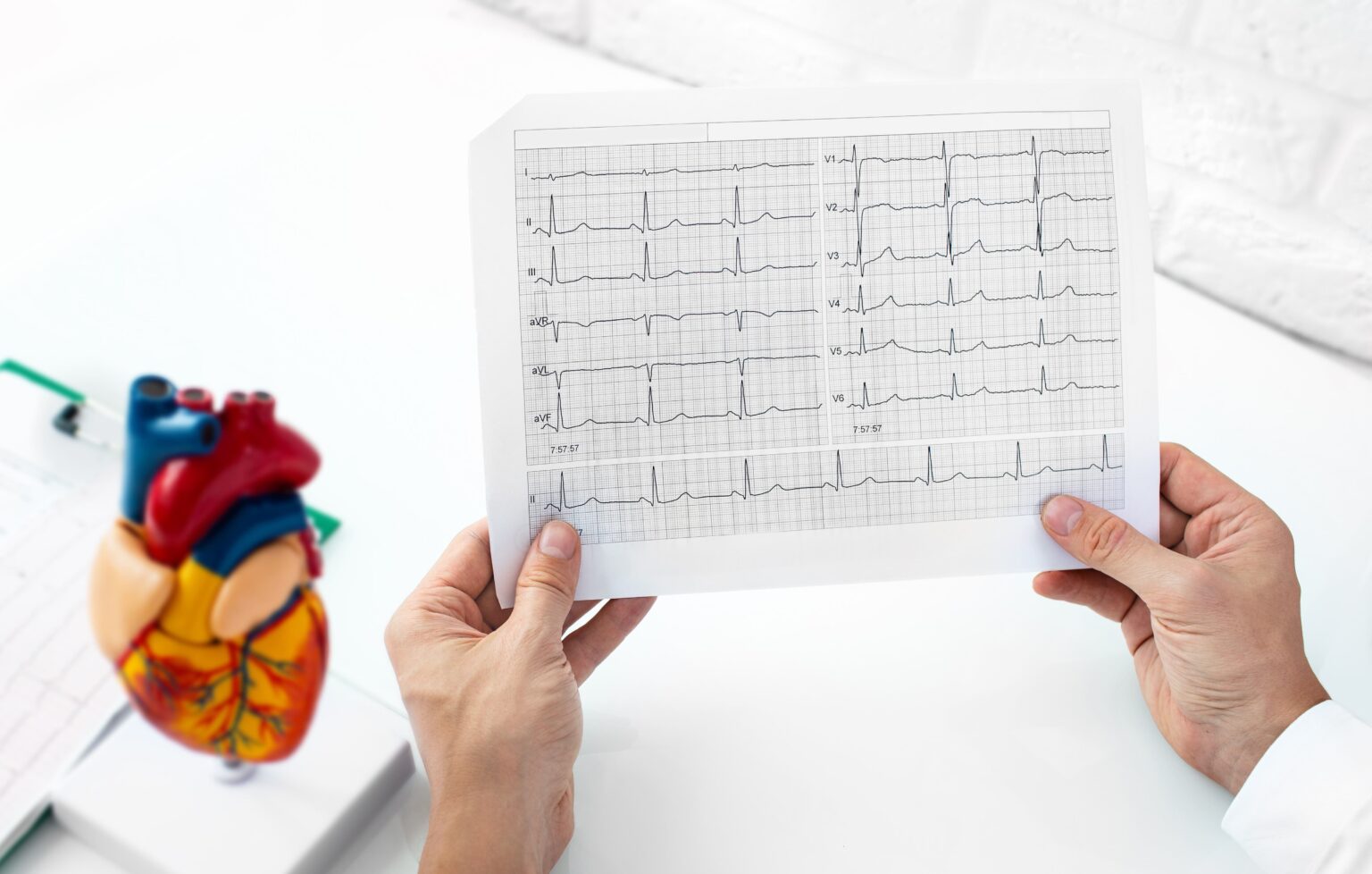

The symptoms of irregular heartbeat can vary depending on the type and severity of your arrhythmia.
Several factors can contribute to developing an irregular heartbeat:
The risk of arrhythmias increases with age, as the heart’s electrical system naturally changes over time. Age-related wear on the heart muscle can also contribute to rhythm problems.
Conditions such as coronary artery disease, heart failure, or previous heart attacks can damage the heart muscle and affect its electrical system. Structural heart problems present from birth can also lead to arrhythmias.
Uncontrolled high blood pressure can strain your heart and lead to changes in the heart muscle that affect its rhythm. This condition can also contribute to other heart problems that increase arrhythmia risk.
An overactive thyroid (hyperthyroidism) can speed up your heart rate, whilst an underactive thyroid (hypothyroidism) can slow it down.
People with diabetes have a higher risk of developing heart rhythm problems, particularly if blood sugar levels are poorly controlled over time.
This condition, where breathing repeatedly stops and starts during sleep, can affect heart rhythm. The repeated drops in oxygen levels put stress on the cardiovascular system.
Large amounts of caffeine or alcohol can trigger irregular heartbeats in some people. Regular heavy drinking can also damage the heart muscle over time.
Tobacco use increases the risk of arrhythmias by affecting blood flow and putting additional strain on the heart. Smoking also contributes to the development of other heart conditions.
Some prescription drugs, over-the-counter medications, and herbal supplements can affect heart rhythm. This includes some medications for asthma, depression, and other conditions.
Low levels of potassium, magnesium, or calcium in your blood can affect the heart’s electrical system. These imbalances can result from medications, kidney problems, or dietary factors.
Heart arrhythmias are broadly classified based on where they originate in the heart and how they affect your heart rate.
This is the most common type of irregular heartbeat, where the upper chambers of your heart beat chaotically and irregularly. You may feel your heart racing or fluttering, and this condition can occur in episodes or be persistent.
Similar to atrial fibrillation but with a more organised pattern, causing your heart to beat very rapidly but more regularly. This typically causes a fast, steady heartbeat that you can feel as palpitations.
This involves episodes of very rapid heartbeat that start and stop suddenly, originating above the heart’s lower chambers. You may experience sudden episodes of racing heart that can last from minutes to hours.
This occurs when the lower chambers of your heart beat very rapidly, which can cause symptoms like dizziness, chest pain, or shortness of breath. This type requires prompt medical attention.
This refers to a heart rate that’s too slow, typically below 60 beats per minute. You may feel tired, dizzy, or short of breath, particularly during physical activity.
These are extra heartbeats that interrupt your normal rhythm, often feeling like your heart has skipped a beat or fluttered. Most people experience these occasionally, and they’re usually harmless.
Diagnosing irregular heartbeat involves several tests that help identify the type and underlying cause of your heart rhythm problem.
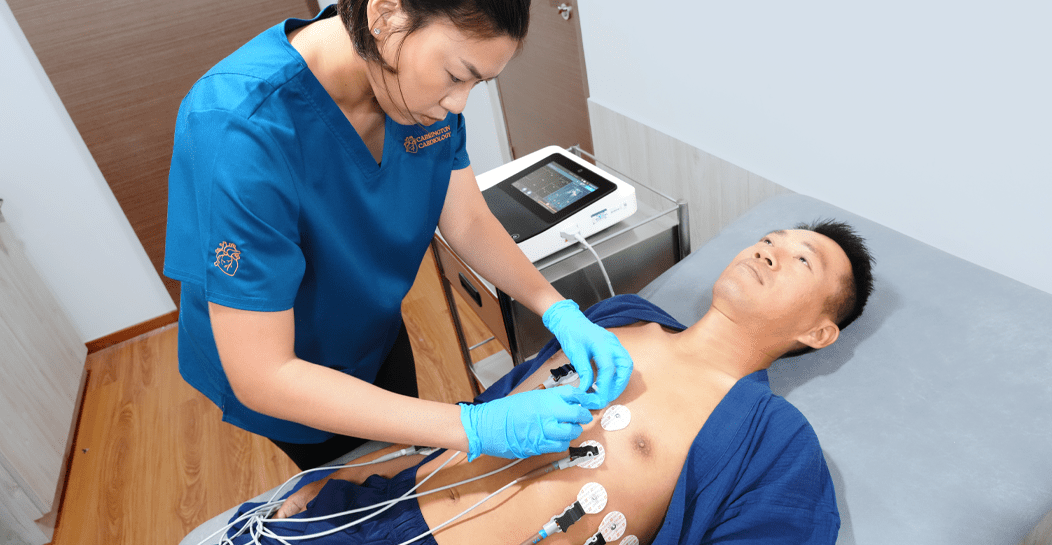
Records the electrical activity of your heart to detect arrhythmias, previous heart attacks, or structural heart problems.
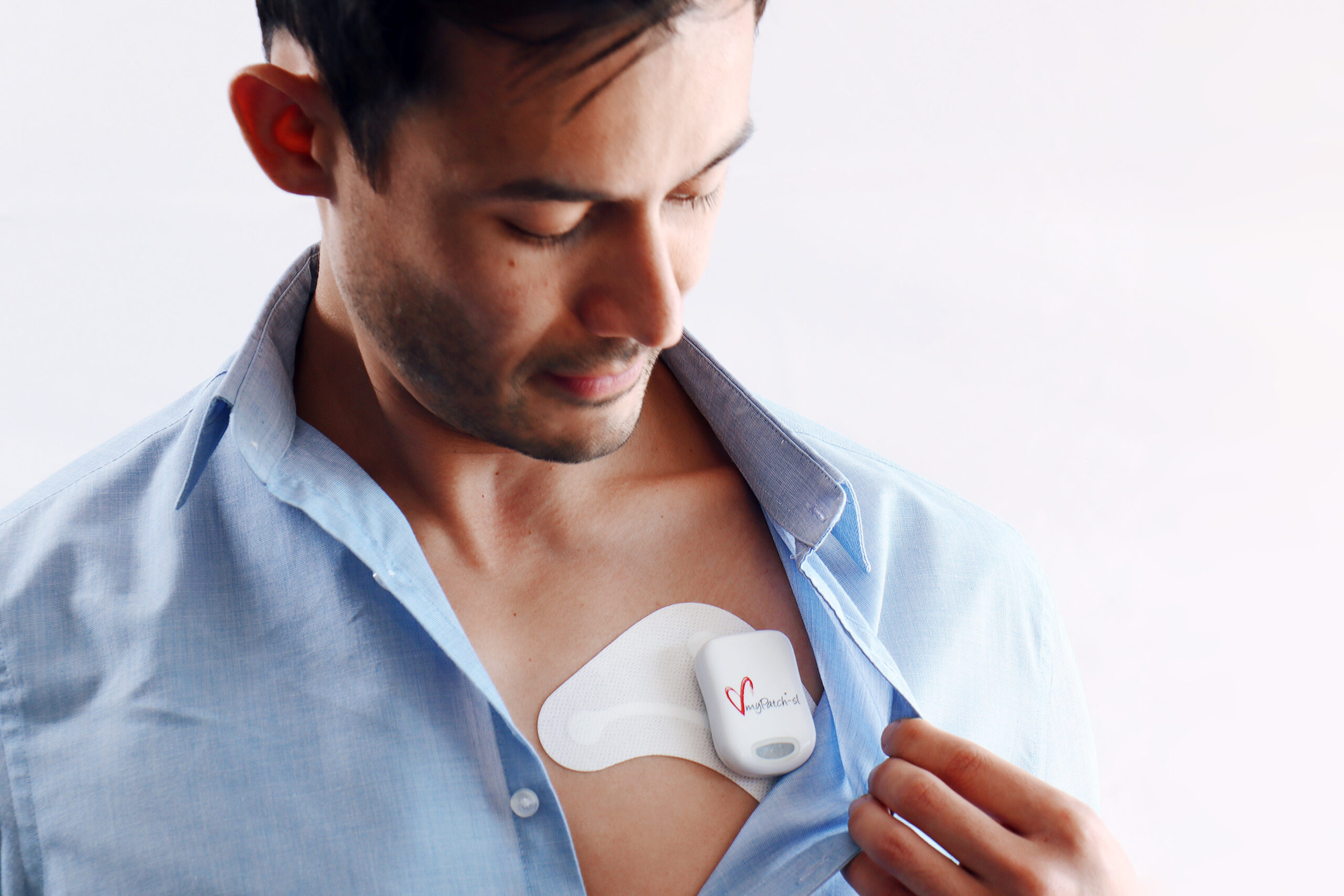
A portable device worn for 24 hours or more to continuously monitor your heart rhythm during everyday activities, identifying irregular beats that may not appear during a standard ECG.
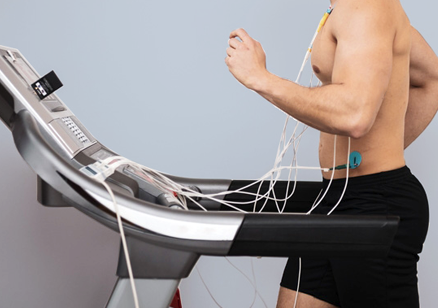
Monitors your heart rhythm and blood pressure during exercise, revealing arrhythmias that occur specifically during physical exertion.
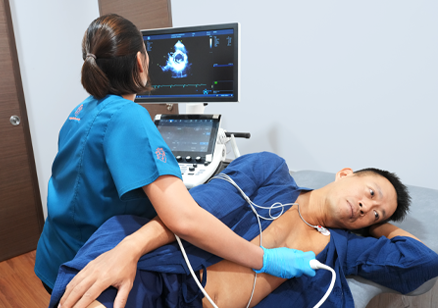
Combines ultrasound imaging of your heart with an exercise test, assessing how well your heart functions under physical stress.
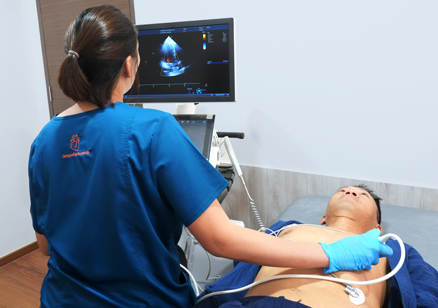
An ultrasound procedure creating real-time images of your heart to evaluate its structure and function, checking for conditions that may cause irregular rhythms.
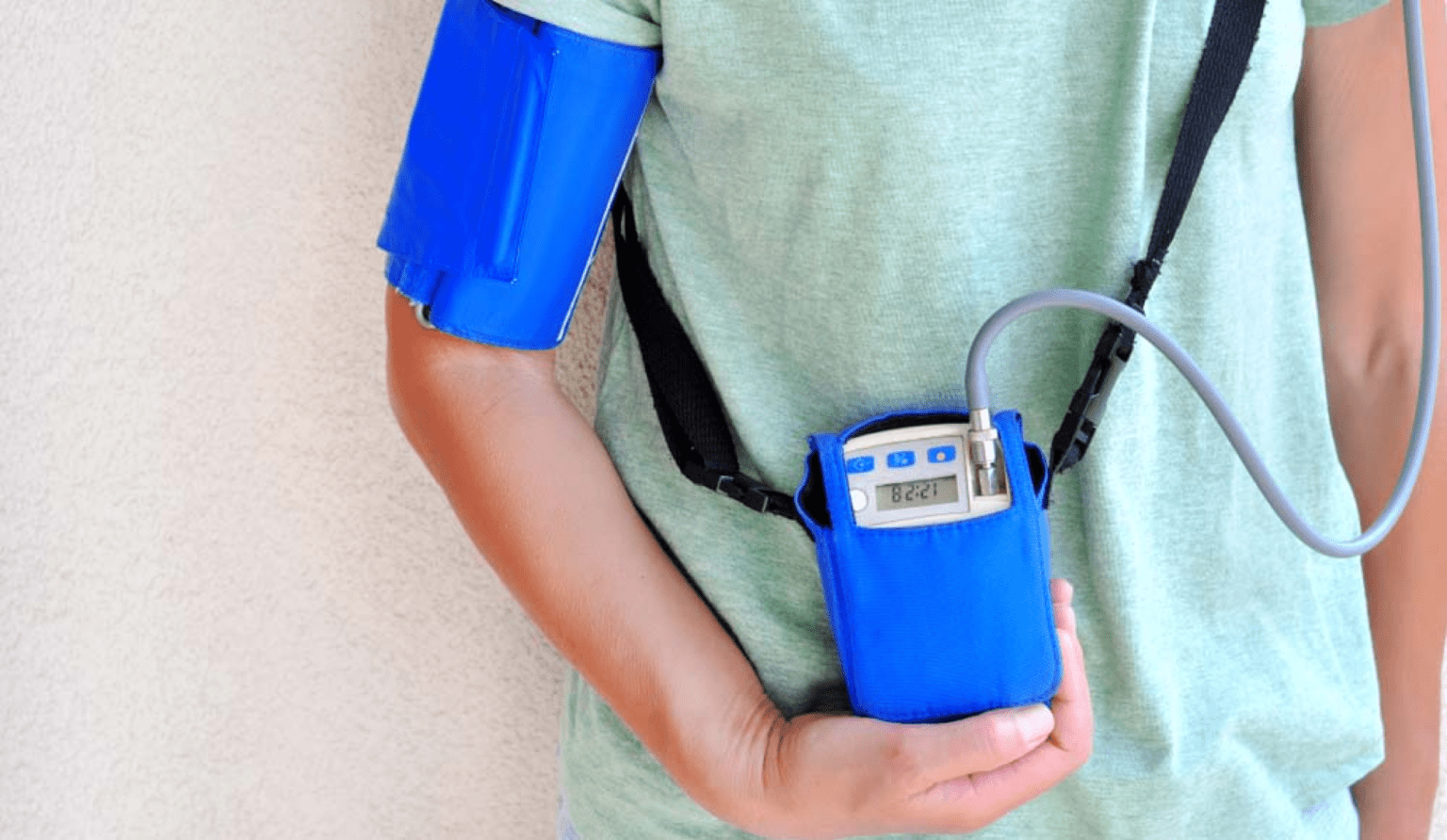
Tracks blood pressure changes over 24 hours, identifying hypertension that may contribute to arrhythmias.

A non-invasive imaging test that evaluates the condition of your coronary arteries to check for narrowing or blockages.
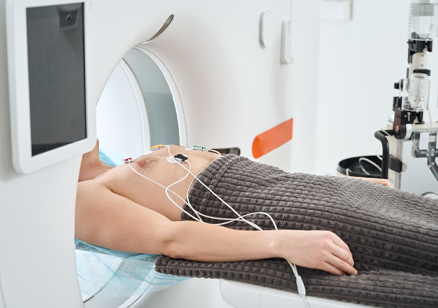
Measures calcium deposits in your coronary arteries, helping to identify underlying heart disease risk associated with arrhythmias.
Several medication and lifestyle approaches can help manage irregular heartbeats and reduce symptoms without requiring surgical procedures.
When medications aren’t sufficient, several minimally invasive procedures can treat irregular heartbeats by targeting the source of abnormal electrical signals.
Consult our MOH-accredited specialist for a comprehensive diagnosis & personalised treatment plan today.

Managing irregular heartbeat involves addressing underlying health conditions and making targeted lifestyle changes that can reduce the frequency and severity of episodes. Maintaining good control of blood pressure, diabetes, and thyroid conditions helps prevent many types of arrhythmias, whilst limiting caffeine and alcohol intake can reduce triggers for some people. Regular follow-up appointments with a qualified cardiologist in Singapore allow for medication adjustments and monitoring of your heart rhythm, ensuring optimal management.
You should see a cardiology specialist in Singapore if you frequently experience:
Early evaluation ensures effective management and reduces the risk of complications.
Some types of arrhythmias can be cured with procedures like catheter ablation, whilst others can be well-controlled with medication or devices. The outlook depends on your specific type of arrhythmia and overall heart health.
Not all arrhythmias worsen with age, and many remain stable with proper treatment. Regular monitoring and follow-up care help track any changes and adjust treatment as needed.
Most people with well-controlled arrhythmias can drive normally, but those with certain types or symptoms like fainting may need to follow specific guidelines. Your doctor will advise you based on your individual situation and local driving regulations.
Whilst there’s no specific diet for arrhythmias, some people find that caffeine, alcohol, or large meals can trigger episodes. Keeping a diary of symptoms and potential triggers can help identify what affects you personally.
Try sitting down, taking slow deep breaths, or gently coughing, which can sometimes help restore normal rhythm. If symptoms persist for more than a few minutes, are severe, or you feel faint or have chest pain, seek medical attention promptly.

Dr. Kua is a senior consultant cardiologist specialised in interventional cardiology and is the medical director at Carrington Cardiology.
Prior to this, he served as an International Cardiology Fellow and Honorary Consultant at Hammersmith Hospital Imperial Healthcare Trust, where he gained valuable experience in various prestigious healthcare institutions.

Mount Elizabeth Medical Centre
3 Mount Elizabeth, #12-02 Medical Centre
Singapore 228510

Mon to Fri: 09:00am – 05:00pm
Sat: 09:00am – 12:30pm
Sun & Public Holidays: Closed
Leave us a message and we’ll get back to you shortly
Mount Elizabeth Medical Centre
3 Mount Elizabeth, #12-02 Medical Centre
Singapore 228510
Mon to Fri: 09:00am – 05:00pm
Sat: 09:00am – 12:30pm
Sun & Public Holidays: Closed


