
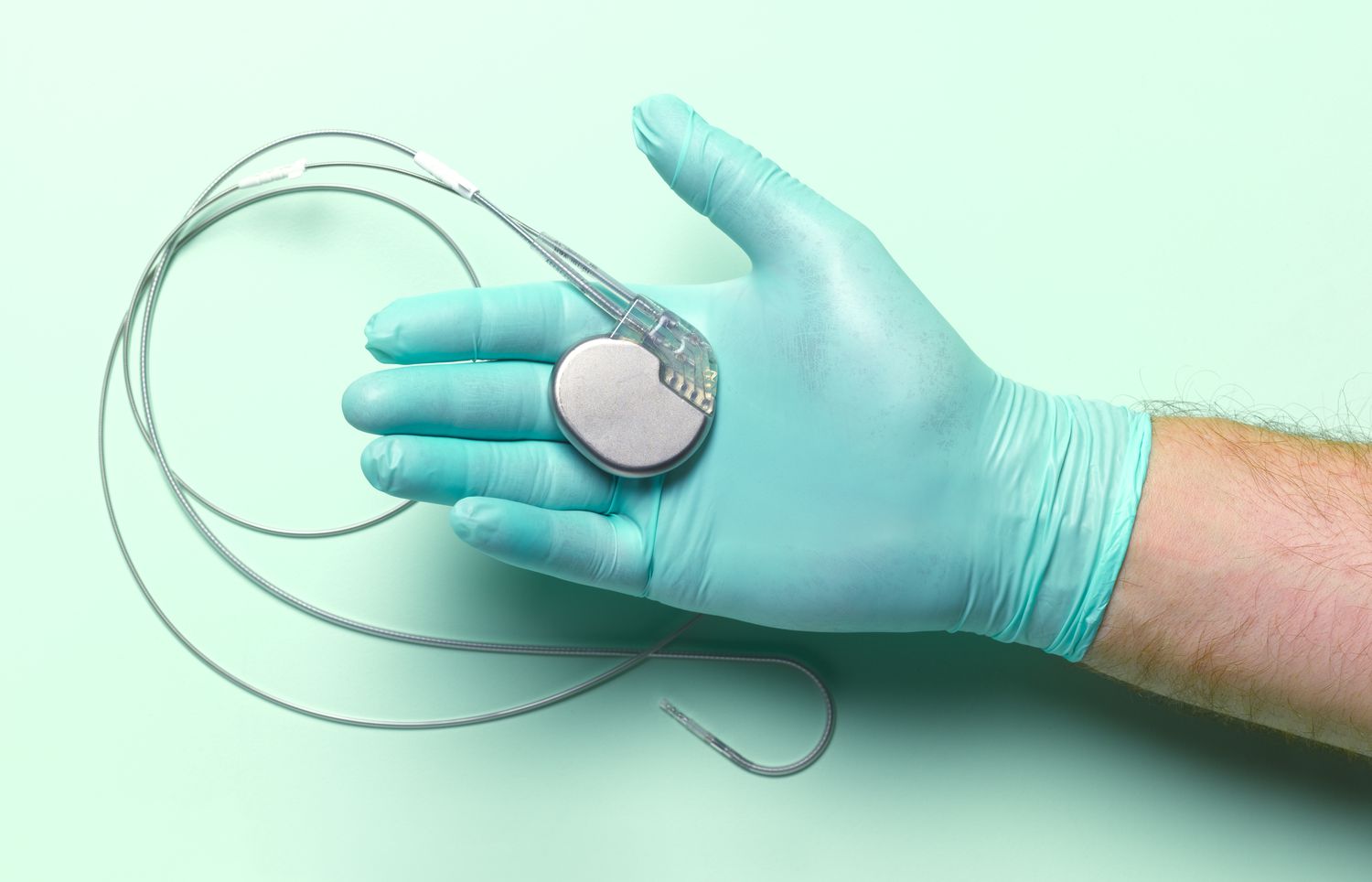
Pacemaker Implantation Singapore

A pacemaker is a small, implanted electronic device that helps regulate your heartbeat. It continuously monitors your heart’s rhythm and delivers gentle electrical signals when needed to maintain a steady, healthy heart rate. Pacemakers are used when the heart beats too slowly, irregularly, or when electrical signals between different parts of the heart are blocked. The aim is to restore normal heart function and improve your overall well-being by ensuring your heart pumps blood efficiently.

doctor img
Dr. Kua Jieli

MBBS (SG)|MRCP (UK)|MMed (Internal Med) (SG)|FAMS (Cardiology, SG)

Image pacemaker 1 Image pacemaker 1

Indications for Pacemakers

Your cardiologist may recommend a pacemaker if you have certain heart rhythm problems:

  • Bradycardia (slow heart rate)

    When your heart beats too slowly (typically under 60 beats per minute), you may feel dizzy, tired, or short of breath.

  • Heart block

    This occurs when electrical signals are delayed or blocked as they travel from the upper chambers (atria) to the lower chambers (ventricles) of your heart. Complete heart block can cause dangerous pauses in your heartbeat.

  • Sick sinus syndrome

    Your heart’s natural pacemaker (the sinus node) may not work properly, causing irregular heart rhythms that alternate between very slow and very fast rates. This condition often causes fatigue, dizziness, and fainting episodes.

  • Atrial fibrillation with slow ventricular response

    Some people with atrial fibrillation develop a very slow heart rate, particularly when taking certain medications.

  • Heart failure with electrical abnormalities

    In specific cases of heart failure, a special type of pacemaker called a cardiac resynchronisation therapy (CRT) device can help coordinate the pumping action of both ventricles.


Benefits of Pacemakers

A pacemaker can improve your symptoms and help you return to your normal daily activities.

Symptom relief

You may notice improvements in fatigue, dizziness, shortness of breath, and fainting episodes within days or weeks after implantation.

Better exercise tolerance

Your heart rate will increase appropriately during physical activity, allowing you to walk, climb stairs, and engage in other exercises with less breathlessness.

Improved sleep patterns

Many patients experience better sleep quality as their heart maintains a steady rhythm throughout the night.

Heart rhythm monitoring

Modern pacemakers can detect and respond to various abnormal heart rhythms whilst storing information about your heart’s activity for your cardiologist to review during follow-up appointments.

Types of Pacemakers and Implantable Devices in Singapore

Different types of cardiac devices are available depending on your specific heart condition and medical needs.

  • Single-chamber pacemaker

    This device has one wire (lead) that connects to either the right atrium or right ventricle of your heart. It’s typically used for people with slower heart rates who have normal electrical conduction between the upper and lower heart chambers.

  • Dual-chamber pacemaker

    This system uses two leads, one in the right atrium and one in the right ventricle, allowing the device to coordinate the timing between your heart’s upper and lower chambers. It provides a more natural heart rhythm for most patients.

  • Biventricular pacemaker (CRT)

    Also called cardiac resynchronisation therapy, this device has three leads that help coordinate the pumping action of both ventricles. It’s used for patients with heart failure to improve the heart’s pumping efficiency.

  • Leadless pacemaker

    This smaller type of pacemaker is implanted directly inside the right ventricle without the need for leads. It’s suitable for some patients who need single-chamber pacing and may have fewer complications related to lead problems.

  • Implantable cardioverter defibrillator (ICD)

    This device can function as a pacemaker but also delivers stronger electrical shocks to treat dangerous fast heart rhythms. Some ICDs also include cardiac resynchronisation therapy features.

Preparing for Pacemaker Implantation

Your cardiologist will provide specific instructions to help ensure your procedure goes smoothly.

Pre-operative assessment

You’ll have blood tests, an ECG, and possibly a chest X-ray to check your overall health before the procedure. Your cardiologist will review your current medications and medical history to plan the best approach for your implantation.

Medication adjustments

You may need to stop certain blood-thinning medications several days before your procedure, though this depends on your individual situation. Your doctor will provide clear guidance about which medications to continue and which to temporarily stop.

Fasting instructions

You’ll typically be asked not to eat or drink anything for 6-8 hours before your procedure. 

Transport arrangements

Arrange for someone to drive you home after the procedure, as mild drowsiness from sedation is common.

What to Expect During Pacemaker Implantation

The pacemaker implantation is typically performed as a day case procedure in a specialised cardiac catheter laboratory.

Local anaesthesia and sedation

Your doctor will numb the area below your collarbone with local anaesthetic and may give you mild sedation to help you relax. You’ll remain awake during the procedure but should feel comfortable and drowsy.

Creating the pocket

A small incision (usually 3-5 cm) is made below your collarbone, and your surgeon creates a pocket under the skin and muscle where the pacemaker will sit. This pocket is carefully positioned to ensure the device lies flat and comfortably.

Inserting the leads

Using X-ray guidance, thin, flexible wires called leads are carefully threaded through a vein and positioned in the appropriate chambers of your heart. The leads are tested to ensure they’re sensing your heart’s electrical activity and can deliver impulses properly.

Connecting and testing the device

The leads are connected to the pacemaker, and the entire system is thoroughly tested to ensure it’s working properly. Your cardiology specialist will programme the device with settings tailored specifically to your heart’s needs.

Closing the incision

The pacemaker is placed in the pocket, and the incision is closed with dissolvable stitches or surgical glue.

After Care and Recovery

Immediate Care
  • Monitoring period: You’ll be observed for several hours after the procedure to ensure your pacemaker is working properly and there are no immediate complications. Your heart rhythm will be monitored, and the wound site will be checked regularly.
  • Pain management: You may experience some discomfort around the incision site, which can be managed with simple painkillers like paracetamol or ibuprofen.
  • Arm movement restrictions: You’ll need to avoid lifting your arm above shoulder height on the side of the pacemaker for about 4-6 weeks. This allows the leads to settle securely in your heart and prevents them from becoming dislodged.
Recovery Timeline
  • First 24-48 hours: You should rest and avoid strenuous activities, though gentle movement and light daily activities are encouraged.
  • First 2 weeks: The wound should be kept dry and covered with the dressing provided until your follow-up appointment.
  • 4-6 weeks: Full arm movement can gradually be resumed, and you can return to most normal activities including driving (once you feel comfortable and can perform an emergency stop).
Follow-up Care
  • Wound check appointment: You’ll have a follow-up appointment within 1-2 weeks to check how your incision is healing and ensure your pacemaker is functioning correctly.
  • Device interrogation: Your pacemaker will be checked using a special programmer that communicates wirelessly with your device. This allows your cardiologist to review how your heart has responded and make any necessary adjustments to the settings.
  • Regular monitoring: You’ll need routine pacemaker checks every 6-12 months, which can often be done remotely using a home monitoring system. These appointments ensure your device continues to work optimally and that the battery life is adequate.

Are your symptoms affecting your quality of life?

Consult our MOH-accredited specialist for a comprehensive diagnosis & personalised treatment plan today.

cta img 2

Potential Risks and Complications

As with any surgical procedure, pacemaker implantation carries some risks, though serious complications are uncommon. Minor issues may include bleeding, bruising, temporary swelling, or mild infection at the incision site, which usually responds well to treatment. 

A consultation with a qualified cardiologist in Singapore ensures your individual risk factors are thoroughly assessed, and appropriate precautions are taken to minimise potential complications.

Frequently Asked Questions (FAQs)

Will I be able to feel my pacemaker working?

Most people cannot feel their pacemaker working during normal daily activities. You may occasionally notice a fluttering sensation when the device is pacing, particularly during the first few weeks as you adjust to having the device.

Can I travel by plane with my pacemaker?

You can travel by plane, but you’ll receive a pacemaker identification card to show at airport security as you should not go through metal detectors. Security staff will use alternative screening methods such as a manual search.

What happens if my pacemaker battery runs low?

Pacemaker batteries typically last 7-15 years, and your cardiologist will monitor battery life during routine check-ups. When replacement is needed, only the pacemaker generator is replaced in a shorter procedure, usually leaving the existing leads in place.

Can I do sports and exercise with a pacemaker?

Once fully healed, most people can return to regular exercise and many sports activities. Your cardiologist will provide guidance based on your specific condition.

What should I do if I feel unwell after getting my pacemaker?

Contact your cardiologist or cardiac team if you experience persistent dizziness, chest pain, shortness of breath, or if your wound becomes red, hot, or starts draining. These symptoms may indicate that your pacemaker settings need adjustment or that you have an infection.

Frame 1894

Dr. Kua Jieli

MBBS (SG)|MRCP (UK)|MMed (Internal Med) (SG)|FAMS (Cardiology, SG)

Dr. Kua is a senior consultant cardiologist specialised in interventional cardiology and is the medical director at Carrington Cardiology.

  • He is experienced in managing complex coronary artery disease and a variety of other cardiovascular diseases and conditions.
  • He also handles difficult coronary interventional procedures such as left main disease, chronic total occlusions, and calcified lesions.
  • He served as a Senior Consultant at National University Hospital Singapore and Ng Teng Fong General Hospital and was also the Director of the Cardiovascular Catheterisation Laboratory.

Prior to this, he served as an International Cardiology Fellow and Honorary Consultant at Hammersmith Hospital Imperial Healthcare Trust, where he gained valuable experience in various prestigious healthcare institutions.

Location Contact Background
Image location

Mount Elizabeth Medical Centre
3 Mount Elizabeth, #12-02 Medical Centre
Singapore 228510

Image time

Mon to Fri: 09:00am – 05:00pm
Sat: 09:00am – 12:30pm
Sun & Public Holidays: Closed

Get In Touch With Us

Leave us a message and we’ll get back to you shortly


    Full Name*

    Email Address*

    Phone Number*

    Your Message*

    For Faster Response, Call us!

    +65 6956 6588


    Image location

    Mount Elizabeth Medical Centre
    3 Mount Elizabeth, #12-02 Medical Centre
    Singapore 228510

    Image time

    Mon to Fri: 09:00am – 05:00pm
    Sat: 09:00am – 12:30pm
    Sun & Public Holidays: Closed