

Palpitations Singapore

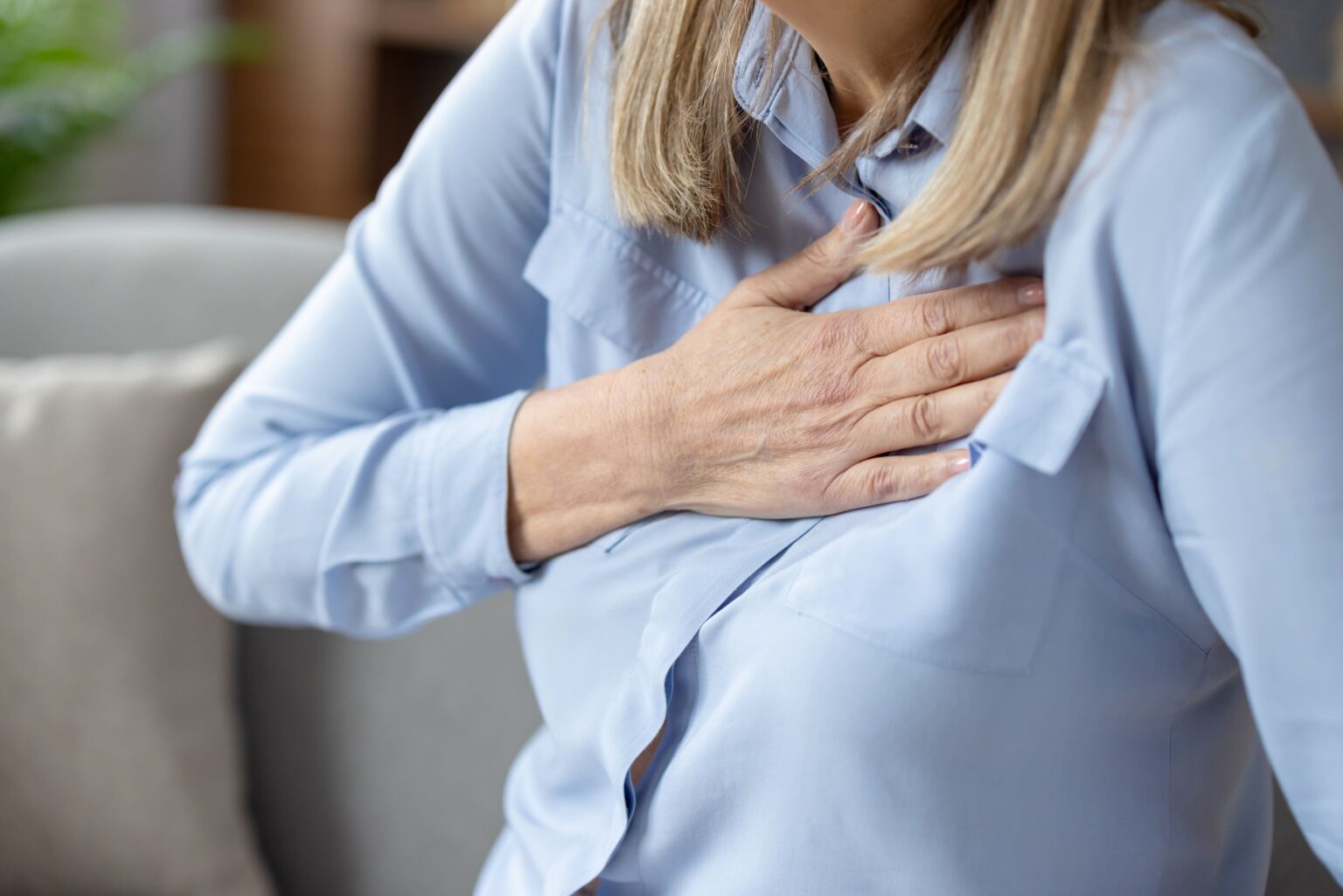
Palpitations refer to the uncomfortable awareness of your heartbeat. You may suddenly feel your heart racing, pounding, fluttering, or skipping beats in your chest, neck, or throat. Occasional palpitations are common and often harmless, but persistent or concerning episodes may signal an underlying heart condition and should be evaluated by a cardiologist.

doctor img
Dr. Kua Jieli

MBBS (SG)|MRCP (UK)|MMed (Internal Med) (SG)|FAMS (Cardiology, SG)

Image Carrington palpitations
Image Carrington palpitations symptoms

Symptoms of Palpitations

People experiencing palpitations may notice several different sensations related to their heartbeat.

  • Racing heart: Your heart feels like it’s beating much faster than normal.
  • Pounding sensation: A strong heartbeat that feels like it’s thumping against your chest wall.
  • Fluttering feeling: A quivering or trembling sensation, similar to butterflies in your chest.
  • Skipped beats: A missed or paused heartbeat followed by a stronger beat.
  • Pulse awareness in neck or throat: Feeling your heartbeat in your neck or throat area.
  • Chest discomfort: A mild sense of unease or discomfort accompanying the irregular heartbeat sensations.

Causes and Risk Factors of Palpitations

Palpitations can result from various lifestyle factors, medical conditions, and individual circumstances.

  • Caffeine consumption

    Coffee, tea, energy drinks, and certain medications containing caffeine can stimulate the heart and trigger palpitations in sensitive individuals.

  • Stress and anxiety

    Emotional stress, panic attacks, or anxiety disorders commonly cause palpitations as part of the body’s natural fight-or-flight response.

  • Physical activity

    Intense exercise or sudden physical exertion can cause noticeable heartbeat sensations, particularly in those who are not regularly active.

  • Alcohol consumption

    Drinking alcohol, especially in large amounts of binge drinking, can trigger irregular heartbeats and palpitations.

  • Nicotine use

    Smoking cigarettes or using other tobacco products can stimulate the heart and cause palpitation episodes.

  • Hormonal changes

    Pregnancy, menopause, or thyroid disorders can affect heart rhythm and lead to palpitation symptoms.

  • Medications

    Certain prescription drugs, over-the-counter decongestants, and asthma inhalers may cause palpitations as a side effect.

  • Sleep deprivation

    Lack of adequate sleep can affect heart rhythm and make you more aware of your heartbeat.

  • Dehydration

    Not drinking enough fluids can affect your heart’s ability to pump blood efficiently, leading to palpitation sensations.

  • Heart conditions

    Underlying heart problems such as arrhythmias, heart valve issues, or heart muscle problems can cause persistent palpitations.

Types of Palpitations

Palpitations can be categorised based on the underlying heart rhythm patterns that cause them.

Premature beats

Extra heartbeats that occur earlier than expected, often felt as a skipped or strong beat.

Rapid heart rhythms

Fast heart rates above 100 beats per minute, potentially originating from the heart’s upper or lower chambers.

Irregular rhythms

Unpredictable heartbeats, such as atrial fibrillation, causing a chaotic rhythm.

Slow heart rhythms

Abnormally slow heart rates that may lead to stronger, noticeable beats.

Diagnostic Methods

Several tests and examinations help identify the cause and nature of palpitation symptoms to guide appropriate treatment.

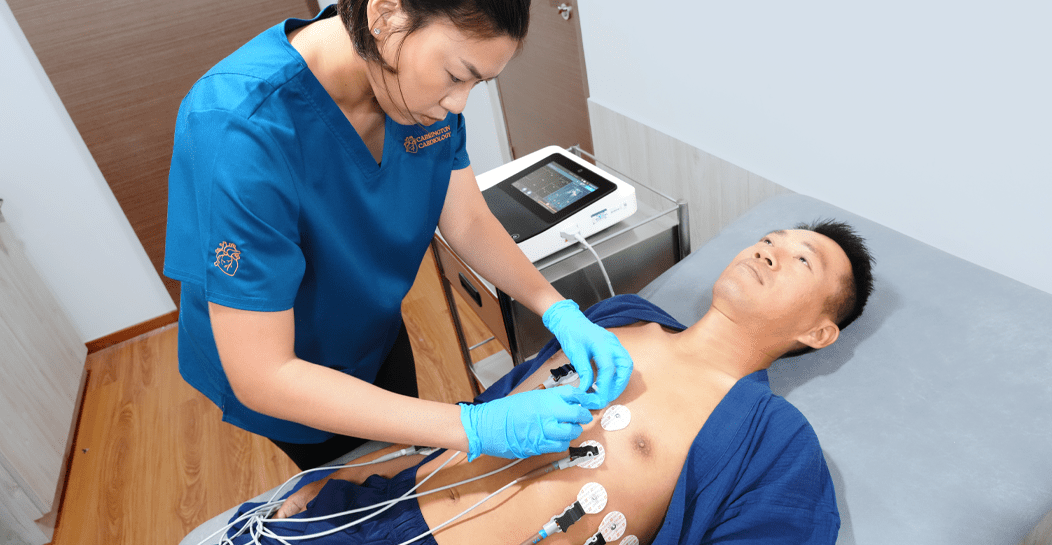
Electrocardiogram (ECG)

A test that records your heart’s electrical activity using electrodes placed on your chest, arms, and legs to detect rhythm abnormalities.

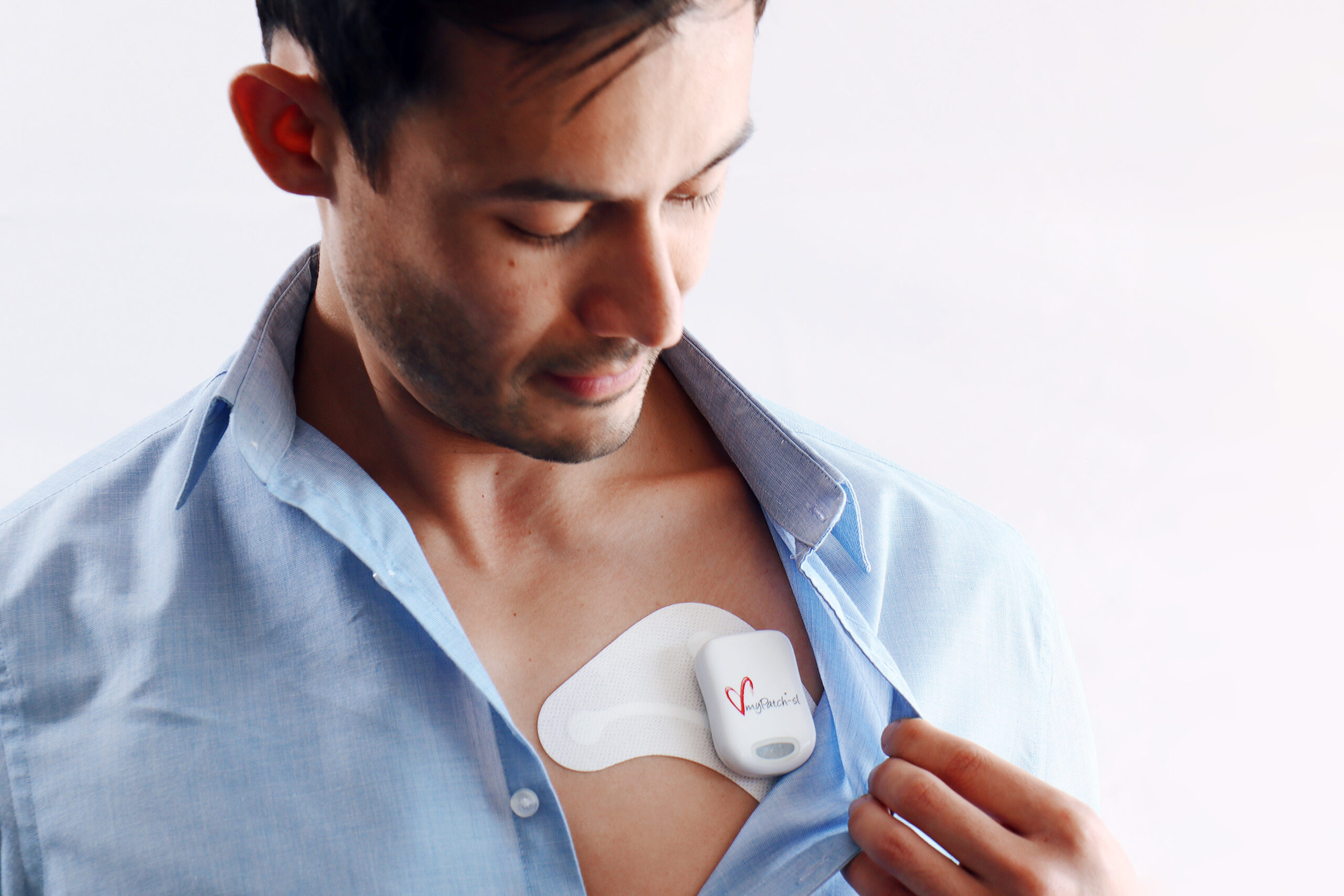
24-hour Holter monitor

A portable device worn for a full day that continuously records your heart rhythm to capture palpitations that may not occur during a brief clinic visit.

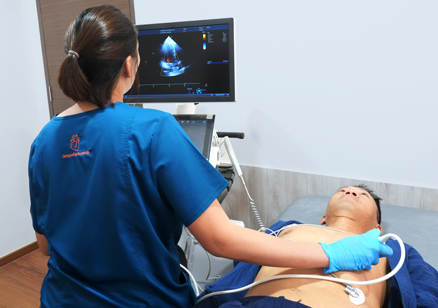
Transthoracic echocardiogram (TTE)

An ultrasound scan of the heart to assess its structure, valve function, and pumping ability.

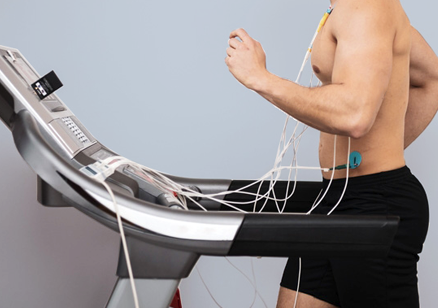
Exercise treadmill ECG

Monitors your heart rhythm and blood pressure while you walk on a treadmill to assess for exercise-induced palpitations.

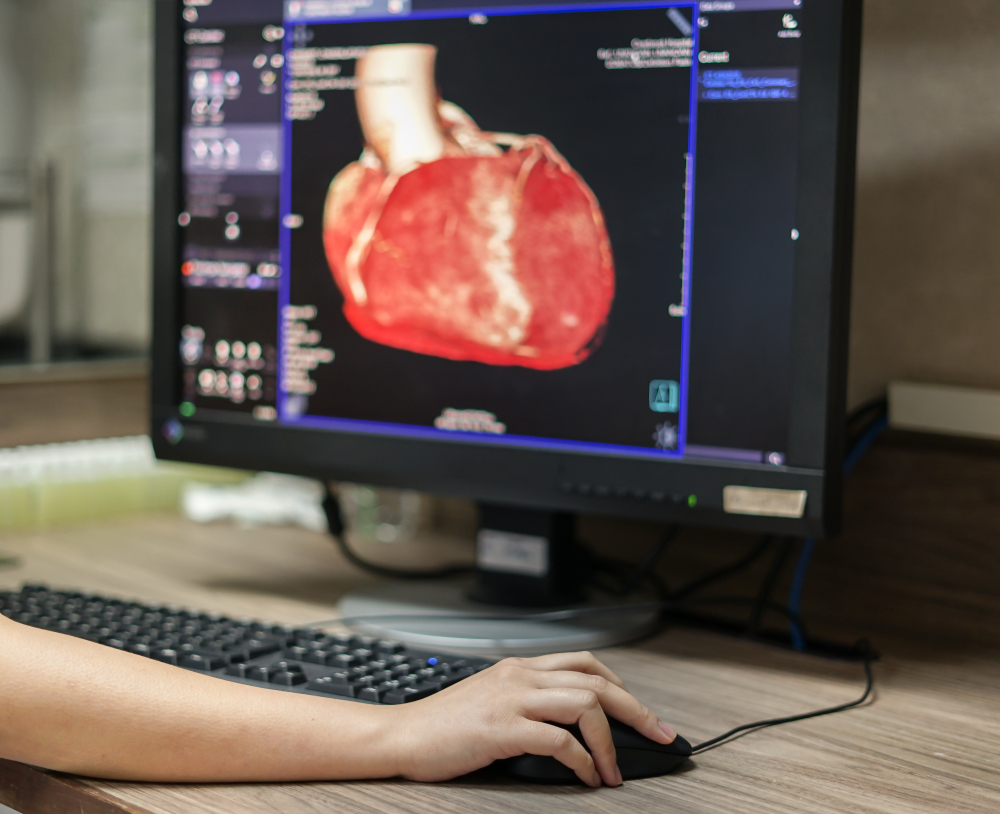
CT Coronary Angiogram

In some cases, a CT Coronary Angiogram may be recommended to assess the heart’s arteries if palpitations are suspected to be linked to reduced blood flow.

Treatment Options for Palpitations in Singapore

Non-Surgical Treatment

Most palpitation cases can be managed through medication, lifestyle modifications, and non-invasive procedures tailored to the underlying cause.

  • Beta-blockers: Medications that slow the heart rate and reduce the force of heart contractions, helping to control palpitations caused by stress, anxiety, or rapid heart rhythms.
  • Calcium channel blockers: Drugs that affect the heart’s electrical system and can help regulate heart rhythm, particularly useful for certain types of rapid heartbeats.
  • Anti-arrhythmic medications: Specialised heart rhythm medications that help maintain normal electrical activity in the heart and prevent irregular beats.
  • Thyroid medication adjustment: Optimising thyroid hormone levels when an overactive or underactive thyroid gland is contributing to palpitation symptoms.
  • Lifestyle modifications: Guidance on identifying and avoiding personal triggers such as caffeine, alcohol, stress, or specific activities that provoke palpitations.
Surgical Treatment

Certain palpitation cases may require minimally invasive procedures when medications and lifestyle changes are insufficient to control symptoms.

  • Electrophysiology Study and Cardiac Ablation: An electrophysiology study helps identify the source of abnormal electrical signals in the heart. If required, cardiac ablation may be performed to treat certain arrhythmias contributing to palpitations.
  • Pacemaker implantation: Surgical placement of a small electronic device under the skin that helps regulate heart rhythm when palpitations are caused by dangerously slow heart rates.

Are your symptoms affecting your quality of life?

Consult our MOH-accredited specialist for a comprehensive diagnosis & personalised treatment plan today.

cta img 2

Prevention and Management

Managing palpitations often involves identifying and avoiding personal triggers while following heart-healthy habits. Limiting caffeine and alcohol intake, managing stress, staying hydrated, and ensuring adequate sleep can help reduce palpitations.

When to See a Cardiologist in Singapore

You should consult a cardiologist if you:

  • Experience frequent or persistent palpitations
  • Feel dizzy, faint, or short of breath during episodes
  • Have chest discomfort or a family history of heart disease
  • Notice irregular or unusually fast heart rhythms

A cardiologist can perform specialised tests to identify the cause of your palpitations and recommend appropriate treatment to manage symptoms and protect your heart health.


Frequently Asked Questions (FAQs)

Will palpitations get worse over time?

Many people find their palpitations remain stable or improve with proper treatment and lifestyle changes. The progression depends largely on the underlying cause and how well it responds to treatment.

Can palpitations affect my sleep quality?

Yes, palpitations can disrupt sleep patterns, either by waking you during episodes or creating anxiety about sleeping. Sleep position changes and establishing a calming bedtime routine may help reduce nighttime palpitations.

Is it normal to feel anxious about palpitations?

Feeling anxious about palpitations is completely understandable, as the sensation can be frightening. However, anxiety itself can trigger more palpitations, creating a cycle that proper medical evaluation and reassurance can help break.

Should I monitor my pulse at home?

Checking your pulse occasionally can help you understand your normal heart rate patterns, but excessive monitoring may increase anxiety. Your doctor can advise whether regular pulse checking would be helpful for your specific situation.

Frame 1894

Dr. Kua Jieli

MBBS (SG)|MRCP (UK)|MMed (Internal Med) (SG)|FAMS (Cardiology, SG)

Dr. Kua is a senior consultant cardiologist specialised in interventional cardiology and is the medical director at Carrington Cardiology.

  • He is experienced in managing complex coronary artery disease and a variety of other cardiovascular diseases and conditions.
  • He also handles difficult coronary interventional procedures such as left main disease, chronic total occlusions, and calcified lesions.
  • He served as a Senior Consultant at National University Hospital Singapore and Ng Teng Fong General Hospital and was also the Director of the Cardiovascular Catheterisation Laboratory.

Prior to this, he served as an International Cardiology Fellow and Honorary Consultant at Hammersmith Hospital Imperial Healthcare Trust, where he gained valuable experience in various prestigious healthcare institutions.

Location Contact Background
Image location

Mount Elizabeth Medical Centre
3 Mount Elizabeth, #12-02 Medical Centre
Singapore 228510

Image time

Mon to Fri: 09:00am – 05:00pm
Sat: 09:00am – 12:30pm
Sun & Public Holidays: Closed

Get In Touch With Us

Leave us a message and we’ll get back to you shortly


    Full Name*

    Email Address*

    Phone Number*

    Your Message*

    For Faster Response, Call us!

    +65 6956 6588


    Image location

    Mount Elizabeth Medical Centre
    3 Mount Elizabeth, #12-02 Medical Centre
    Singapore 228510

    Image time

    Mon to Fri: 09:00am – 05:00pm
    Sat: 09:00am – 12:30pm
    Sun & Public Holidays: Closed