

Shortness of Breath Singapore

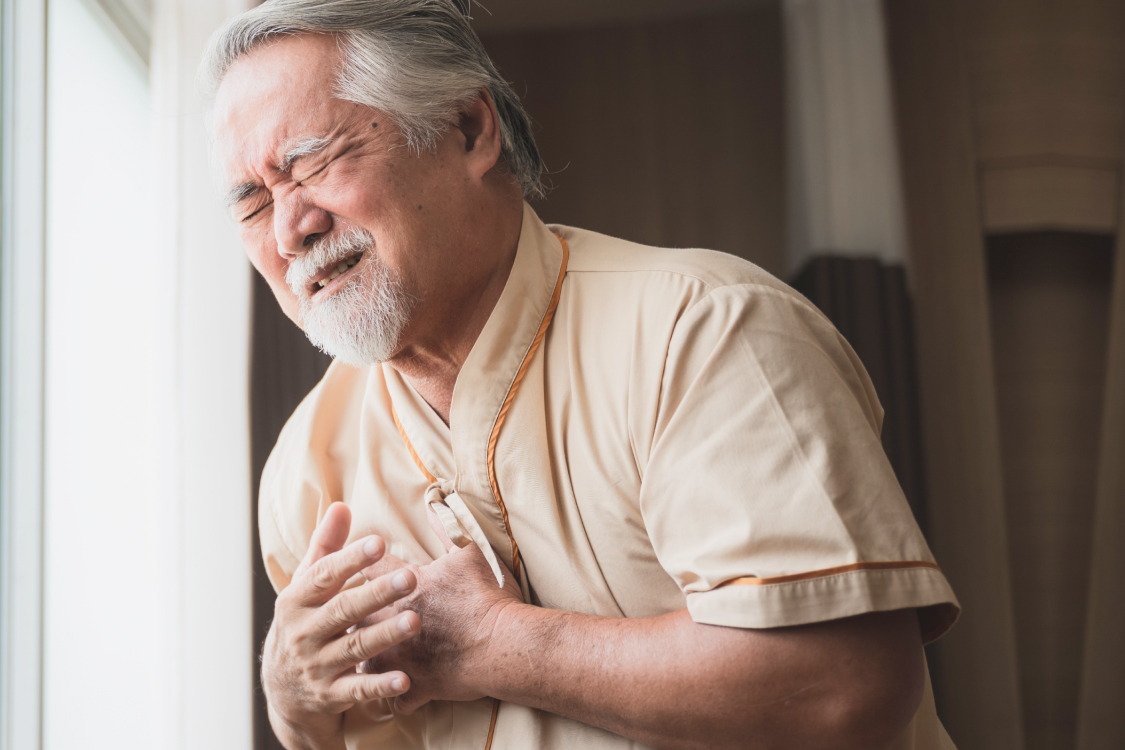
Shortness of breath, also known as dyspnoea, is the feeling that you cannot get enough air or that breathing requires more effort than usual. This sensation can occur during physical activity, at rest, or when lying down. It may develop gradually over time or come on suddenly, and can range from mild discomfort to a distressing feeling of being unable to catch your breath. Many people experience occasional shortness of breath, but persistent or worsening breathlessness may signal an underlying health problem that requires evaluation by a heart specialist in Singapore.

doctor img
Dr. Kua Jieli

MBBS (SG)|MRCP (UK)|MMed (Internal Med) (SG)|FAMS (Cardiology, SG)

Image Carrington shortness of breath
Image Carrington shortness of breath symptoms

Symptoms of Shortness of Breath

The experience of shortness of breath can vary from person to person, but there are common signs that patients typically describe.

  • Feeling breathless during daily activities: You may find that routine tasks such as climbing stairs, walking short distances, or carrying groceries now leave you short of breath.
  • Sensation of not getting enough air: Many people describe feeling as though they cannot take a deep enough breath or that the air they breathe in is not satisfying their body’s needs.
  • Chest tightness or heaviness: Your chest may feel constricted, heavy, or as though there is pressure preventing you from breathing deeply and comfortably.
  • Need to breathe more rapidly or deeply: You might find yourself taking quicker, shorter breaths or feeling compelled to take frequent deep breaths to feel comfortable.
  • Feeling anxious or panicked about breathing: The sensation of not being able to breathe properly can create feelings of worry or panic, which may make the breathlessness feel worse.
  • Difficulty breathing when lying flat: Some people find they need to prop themselves up with pillows or sit upright to breathe more comfortably, particularly at night.

Causes and Risk Factors of Shortness of Breath

Shortness of breath can result from various conditions affecting your heart, lungs, or other parts of your body.

  • Heart conditions

    Problems with your heart, such as heart failure, coronary artery disease, or irregular heart rhythms, can reduce your heart’s ability to pump blood efficiently. When your organs don’t receive enough oxygen, breathlessness often results.

  • Lung diseases

    Conditions like asthma, chronic obstructive pulmonary disease (COPD), pneumonia, or blood clots in the lungs directly affect your ability to take in oxygen and remove carbon dioxide from your body.

  • Anaemia

    When you have too few red blood cells or they don’t contain enough haemoglobin, your body cannot carry sufficient oxygen to meet its needs. This commonly results in feeling breathless, particularly during physical activity.

  • Excess weight

    Carrying extra weight can make your heart and lungs work harder during daily activities. The additional weight can also physically restrict your breathing by putting pressure on your chest and diaphragm.

  • Smoking or exposure to pollutants

    Smoking damages your lungs over time and increases your risk of developing lung diseases that cause breathlessness. Long-term exposure to air pollution, dust, or chemical fumes can have similar effects.

  • Lack of physical activity

    Poor cardiovascular fitness makes you more likely to feel breathless during exertion than someone who exercises regularly.

  • Ageing

    As people get older, natural changes in lung function occur, and the risk of heart or lung conditions that cause breathlessness increases. However, severe or persistent shortness of breath is not considered a normal part of ageing and should be assessed.

Types of Shortness of Breath

Shortness of breath can be categorised based on when it occurs and what triggers it, which helps doctors identify the underlying cause.

Exertional dyspnoea

This type occurs during physical activity or exercise when your body’s demand for oxygen increases. It may be normal during intense exercise but can indicate a problem if it happens with minimal activity.

Orthopnoea

This refers to difficulty breathing when lying flat, which often improves when you sit up or prop yourself up with pillows. It commonly suggests heart or lung problems that affect fluid distribution in your body.

Paroxysmal nocturnal dyspnoea

This involves sudden episodes of severe breathlessness that wake you from sleep, typically occurring a few hours after lying down. It often indicates heart conditions that cause fluid to accumulate in your lungs when lying flat.

Rest dyspnoea

This type occurs even when you are not active and may indicate more serious underlying conditions. It suggests that your heart or lungs are struggling to meet your body’s basic oxygen needs.

Diagnostic Methods

To identify the cause of your heart-related symptoms such as chest pain, palpitations, or shortness of breath, a range of tests may be recommended to assess your heart’s structure, function, and electrical activity:

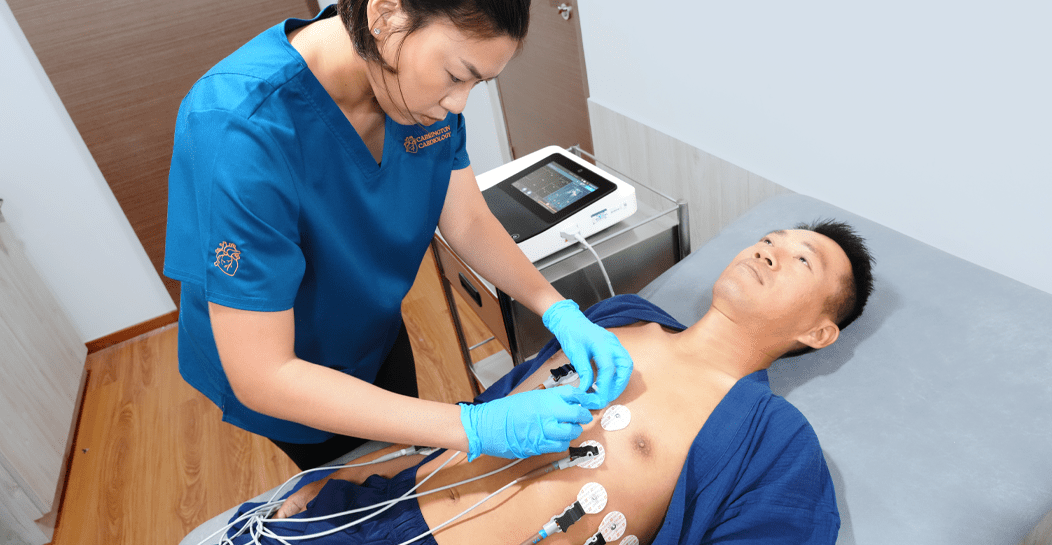
Electrocardiogram (ECG/EKG)

Records your heart’s electrical activity to detect irregular rhythms or signs of strain that may be contributing to breathlessness.

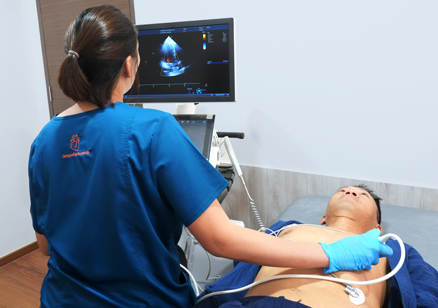
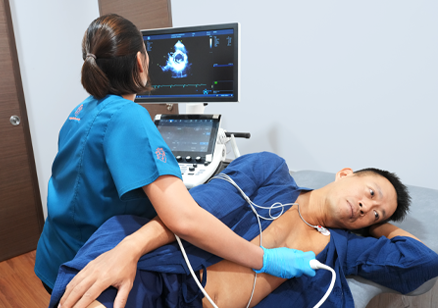
Transthoracic Echocardiogram (TTE)

A detailed ultrasound scan that shows how well your heart chambers and valves are working, helping to identify structural or functional issues affecting your breathing.

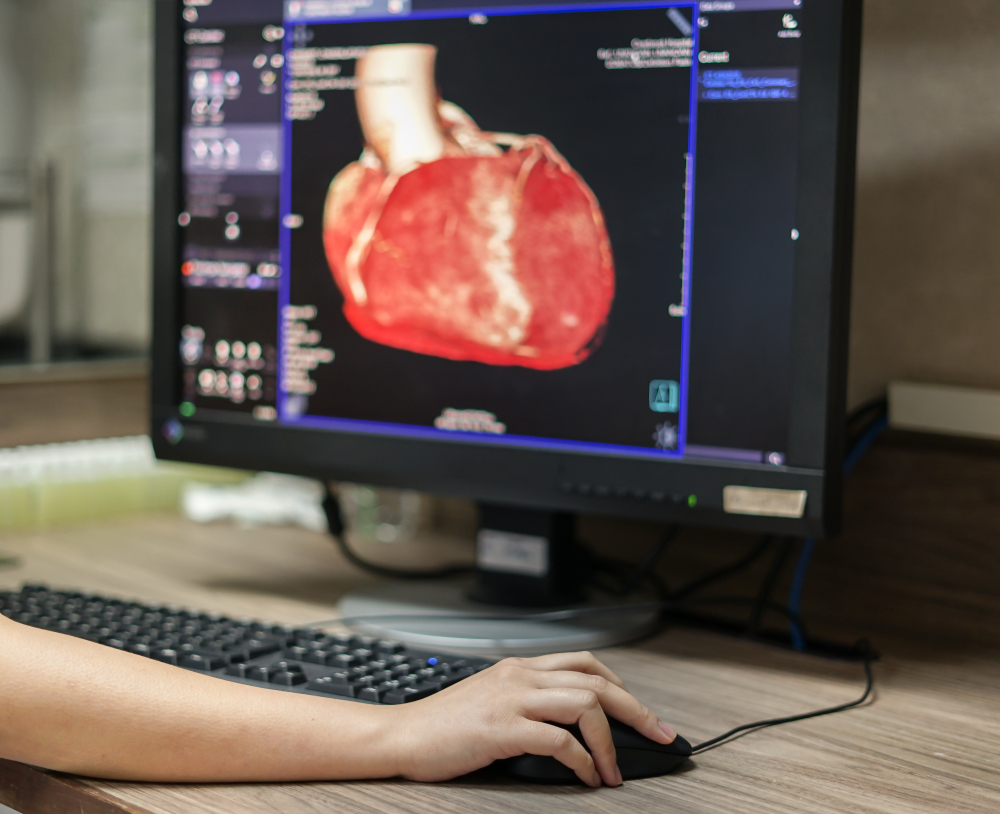
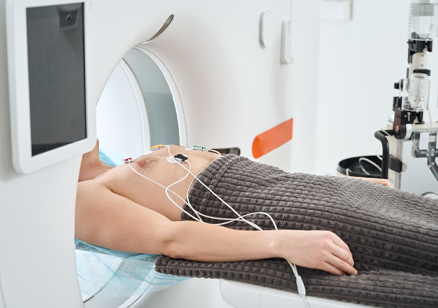
CT Coronary Angiogram

A specialised CT scan that visualises your heart’s arteries to detect blockages or narrowing that can reduce blood flow and cause shortness of breath.

Stress Echocardiogram

Combines ultrasound imaging with exercise or medication-induced stress to assess how your heart functions under strain, often revealing problems not seen at rest.

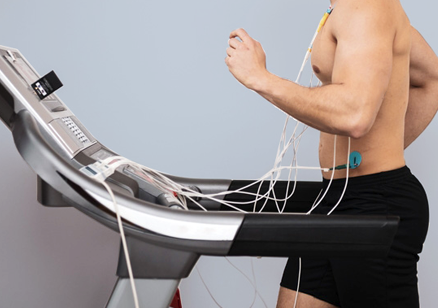
Exercise Treadmill ECG

Monitors your heart’s electrical activity and rhythm while you walk on a treadmill to evaluate how your heart responds to physical activity.

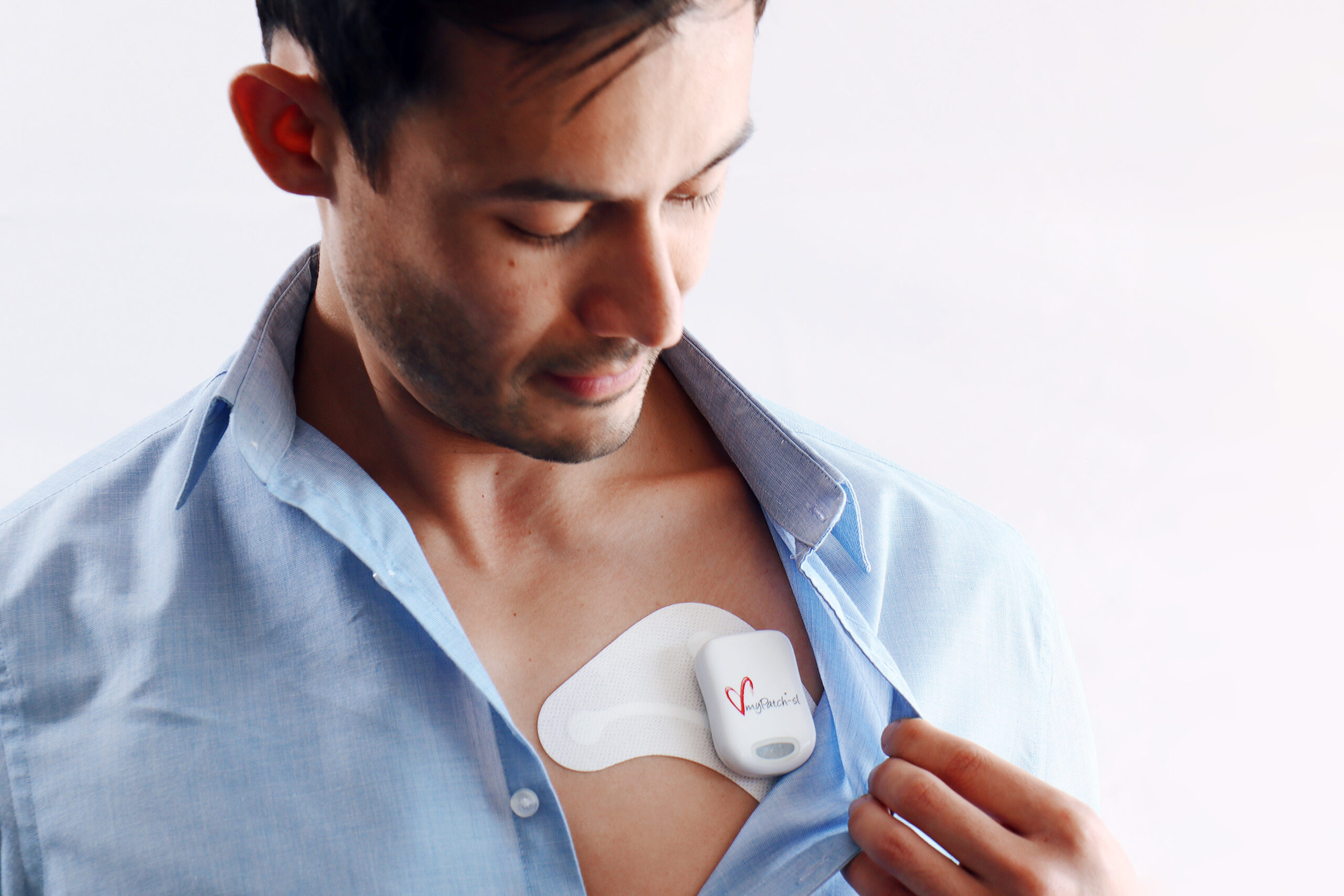
Holter Monitoring

A portable device worn for 24 hours to continuously track your heart rhythm, detecting intermittent issues that may contribute to shortness of breath.

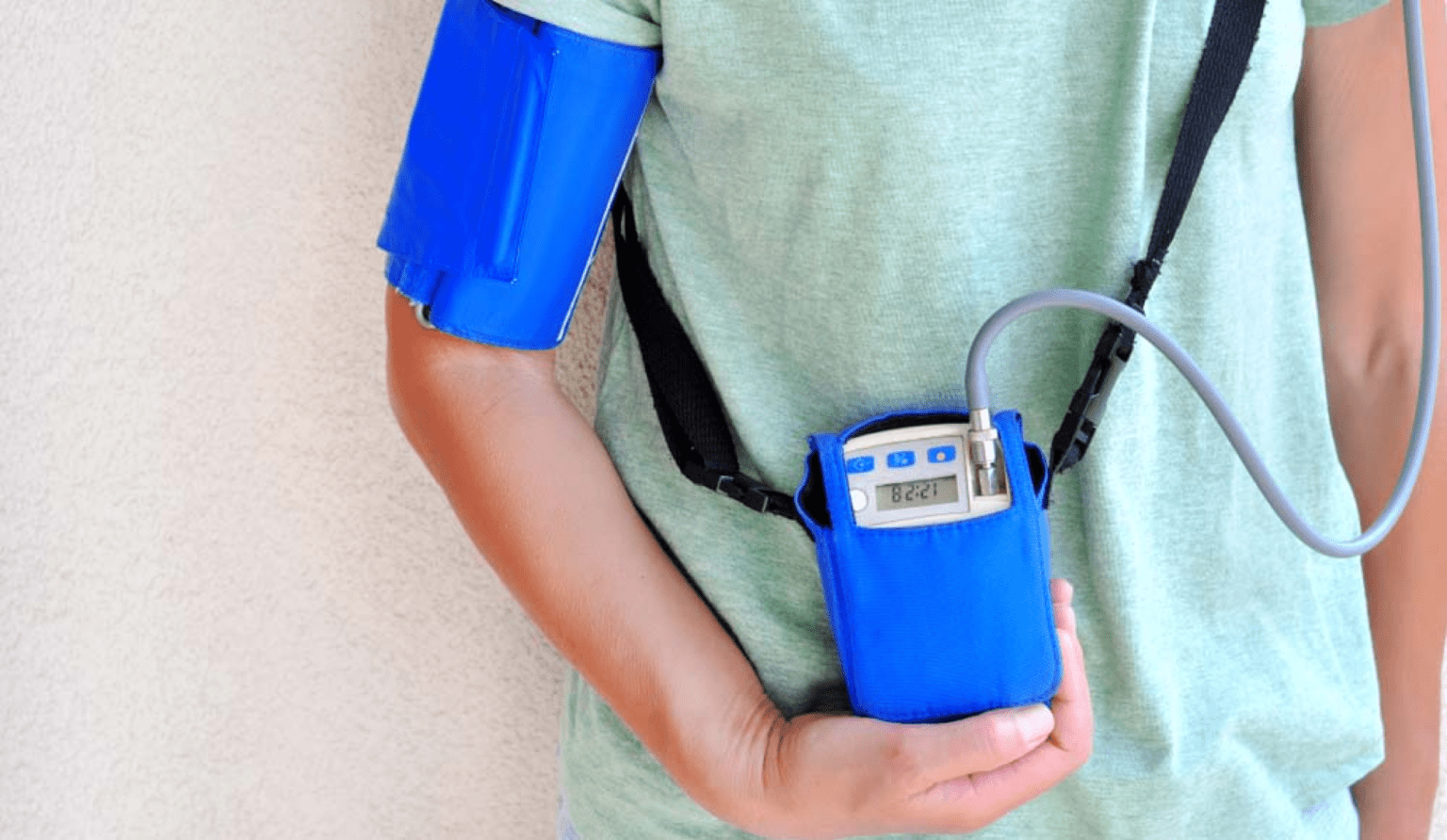
Ambulatory Blood Pressure (ABP) Monitoring

Measures your blood pressure over a 24-hour period to identify high blood pressure patterns that could be placing extra strain on your heart.

Coronary Calcium Score

A CT scan that detects calcium deposits in the heart’s arteries, helping to assess your risk of coronary artery disease, a common cause of unexplained breathlessness.

Treatment Options for Shortness of Breath in Singapore

If shortness of breath is linked to an underlying heart condition, your cardiologist may recommend one or more of the following treatments:

Non-Surgical Treatment
  • Medication Management: Tailored prescriptions to help lower blood pressure, control heart rhythm, or reduce fluid retention that may be contributing to your breathlessness.
  • Lifestyle Modification Support: Personalised advice on diet, weight management, exercise, and smoking cessation to improve heart health and reduce shortness of breath.
  • Cardiac Rehabilitation: A supervised exercise and education programme designed to strengthen your heart and improve breathing capacity in a safe, monitored environment.
Surgical Treatment

When medication and lifestyle changes aren’t sufficient, your cardiologist may recommend procedures to improve your heart function:

  • Coronary Angiogram and Angioplasty: A diagnostic and treatment procedure to open narrowed or blocked heart arteries, improving blood flow and reducing breathlessness.
  • Electrophysiology Study and Cardiac Ablation: If irregular heart rhythms (arrhythmias) are contributing to breathlessness, this procedure helps your cardiologist accurately locate and treat the abnormal electrical signals causing the problem.
  • Pacemakers and Implantable Cardiac Devices: In cases where slow or irregular heart rhythms affect your breathing, these devices help regulate your heart’s rhythm and improve oxygen delivery throughout your body.

Are your symptoms affecting your quality of life?

Consult our MOH-accredited specialist for a comprehensive diagnosis & personalised treatment plan today.

cta img 2

Prevention and Management

Managing shortness of breath related to heart conditions involves taking prescribed medications as directed, attending regular follow-up appointments to monitor your heart function, and making lifestyle changes such as maintaining a healthy weight, following a heart-healthy diet low in salt, and engaging in appropriate physical activity as recommended by your doctor. Monitoring your symptoms daily and seeking prompt medical attention when breathlessness worsens can help prevent complications and ensure timely adjustments to your treatment plan.

When to See a Cardiologist in Singapore

You should consult a cardiologist promptly if you experience:

  • Persistent or worsening shortness of breath during daily activities or at rest
  • Breathlessness that comes on suddenly or without clear cause
  • Difficulty breathing when lying flat, requiring multiple pillows to sleep comfortably
  • Episodes of waking up at night gasping for air
  • Shortness of breath accompanied by chest discomfort, dizziness, or heart palpitations
  • Known risk factors such as high blood pressure, diabetes, or family history of heart disease

Early assessment by a cardiologist can help determine if your breathlessness is heart-related and ensure timely diagnosis and treatment to improve your quality of life.

Frequently Asked Questions (FAQs)

When should I call 999 for shortness of breath?

Call immediately if you experience sudden, severe breathlessness with chest pain, sweating, nausea, or if your lips or fingernails turn blue. These symptoms may indicate a heart attack or other serious cardiac emergency.

Can anxiety cause the same breathing problems as heart disease?

Yes, anxiety and panic attacks can cause breathlessness that feels very similar to heart-related symptoms. However, cardiac causes should be ruled out first, especially if you have risk factors for heart disease.

Will I need to take heart medications for the rest of my life?

This depends on your specific heart condition and how well you respond to treatment. Some people may eventually reduce or stop certain medications, whilst others require long-term treatment to manage their condition and prevent symptoms from returning.

Can I fly if I have shortness of breath from a heart condition?

Air travel is generally possible for most people with stable heart conditions, but you should consult your cardiologist in Singapore before flying. Reduced oxygen levels and cabin pressure changes during flights may worsen breathlessness for some individuals. Your doctor can advise whether additional precautions or fitness-to-fly assessments are needed.

Frame 1894

Dr. Kua Jieli

MBBS (SG)|MRCP (UK)|MMed (Internal Med) (SG)|FAMS (Cardiology, SG)

Dr. Kua is a senior consultant cardiologist specialised in interventional cardiology and is the medical director at Carrington Cardiology.

  • He is experienced in managing complex coronary artery disease and a variety of other cardiovascular diseases and conditions.
  • He also handles difficult coronary interventional procedures such as left main disease, chronic total occlusions, and calcified lesions.
  • He served as a Senior Consultant at National University Hospital Singapore and Ng Teng Fong General Hospital and was also the Director of the Cardiovascular Catheterisation Laboratory.

Prior to this, he served as an International Cardiology Fellow and Honorary Consultant at Hammersmith Hospital Imperial Healthcare Trust, where he gained valuable experience in various prestigious healthcare institutions.

Location Contact Background
Image location

Mount Elizabeth Medical Centre
3 Mount Elizabeth, #12-02 Medical Centre
Singapore 228510

Image time

Mon to Fri: 09:00am – 05:00pm
Sat: 09:00am – 12:30pm
Sun & Public Holidays: Closed

Get In Touch With Us

Leave us a message and we’ll get back to you shortly


    Full Name*

    Email Address*

    Phone Number*

    Your Message*

    For Faster Response, Call us!

    +65 6956 6588


    Image location

    Mount Elizabeth Medical Centre
    3 Mount Elizabeth, #12-02 Medical Centre
    Singapore 228510

    Image time

    Mon to Fri: 09:00am – 05:00pm
    Sat: 09:00am – 12:30pm
    Sun & Public Holidays: Closed