2 July 2025

Stress Test & Exercise ECG in Singapore: What You Need to Know

Heart health is vital for overall well-being, and understanding how your heart performs under stress plays a key role in preventive care. In Singapore, doctors use a treadmill exercise stress test, also known as an Exercise ECG (electrocardiogram), to assess heart function during physical exertion. This non-invasive test helps detect potential heart conditions that may not be evident when the body is at rest.

What is a Stress Test?

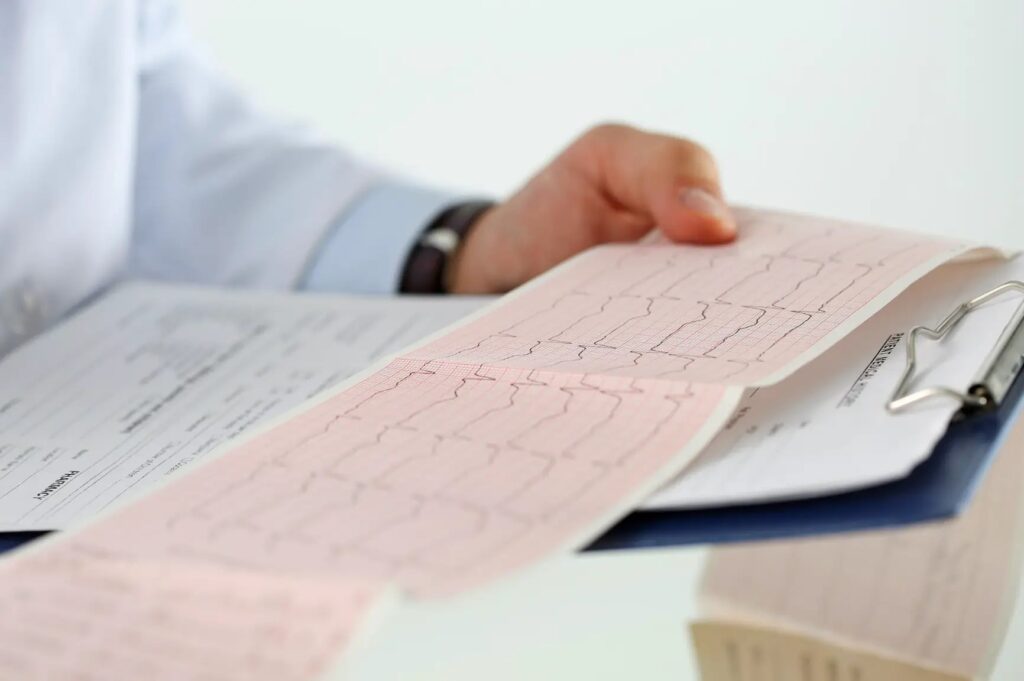
A stress test, specifically the treadmill exercise stress test, evaluates how well the heart functions during increased physical activity. It involves walking or running on a treadmill while being monitored with an electrocardiogram to record the heart’s electrical activity. The test may also include blood pressure monitoring and breathing analysis to provide a comprehensive view of cardiovascular health.

What is a Stress Test for?

The primary purpose of a stress test is to identify how the heart responds to physical exertion. It can reveal irregular heart rhythms, blockages in the coronary arteries, and other underlying heart conditions that may not be noticeable during rest. This test helps in diagnosing conditions such as coronary artery disease (CAD), arrhythmias, and other cardiovascular issues.

What are its Common Uses?

  • Diagnosing Coronary Artery Disease (CAD): Detects blockages or narrowing in the coronary arteries.
  • Evaluating Chest Pain: Determines if chest discomfort is related to heart disease.
  • Monitoring Heart Conditions: Tracks the progress of existing heart disease or the effectiveness of treatments.
  • Assessing Exercise Tolerance: Evaluates how much physical activity the heart can safely handle.
  • Post-Treatment Evaluation: Assesses recovery after procedures like angioplasty or bypass surgery.

Who is a Stress Test Recommended For?

A stress test is typically recommended for individuals who:

  • Experience chest pain or discomfort during physical activity.
  • Have risk factors for heart disease, such as high blood pressure, diabetes, high cholesterol, or a family history of heart disease.
  • Are recovering from a heart attack or heart surgery.
  • Require evaluation before starting an exercise program.
  • Have unexplained shortness of breath or irregular heartbeats.

Who Should Not Undergo a Stress Test?

Not everyone is suited for a treadmill stress test. Doctors generally do not recommend this test for individuals who:

  • Have severe heart conditions, such as uncontrolled heart failure or severe aortic stenosis.
  • Recently experienced a heart attack and have not been cleared for exercise testing.
  • Suffer from severe hypertension that is not well-managed.
  • Have mobility issues that prevent safe treadmill use.

Consulting a cardiologist helps determine if this test suits an individual’s health condition.

What Happens During a Stress Test?

  1. Preparation: Electrodes are attached to the chest, arms, and legs to monitor heart activity. A blood pressure cuff is placed on the arm.
  2. Baseline Measurements: Resting heart rate, blood pressure, and ECG readings are recorded.
  3. Exercise Phase: The treadmill starts slowly and gradually increases speed and incline to simulate physical exertion.
  4. Monitoring: The healthcare provider monitors the heart’s electrical activity, blood pressure, and breathing throughout the test.
  5. Cool-Down: After reaching the target heart rate or experiencing symptoms, the treadmill slows down for a gradual recovery.
  6. Post-Test Observation: The patient is monitored until vital signs return to baseline.

How to Prepare for a Stress Test?

  • Clothing: Wear comfortable, loose-fitting clothes and supportive shoes suitable for exercise.
  • Medications: Follow your doctor’s instructions regarding medications. Some may need to be paused.
  • Eating and Drinking: Avoid heavy meals, caffeine, and smoking for at least 2-3 hours before the test.
  • Hydration: Drink water but avoid excessive fluid intake immediately before the test.
  • Inform the Doctor: Share any symptoms, medical conditions, or medications with your doctor before the test.

Benefits vs. Risks of a Stress Test

Benefits

  • Early Detection as it identifies heart problems before symptoms become severe.
  • Treatment Guidance for the identified heart conditions.
  • Exercise Assessment evaluates fitness levels and exercise tolerance.
  • Post-treatment monitoring offers insights into recovery after cardiac procedures.

Risks

  • Mild Symptoms: Temporary dizziness, shortness of breath, or muscle soreness.
  • Rare Complications: Risk of irregular heartbeats, chest pain, or heart attack (sporadic in a controlled setting).

A stress test is generally safe under medical supervision, with emergency care available.
ECG like stress test is a valuable diagnostic tool for evaluating heart health and detecting potential cardiovascular issues. This test is widely used in Singapore to diagnose coronary artery disease, monitor existing heart conditions, and assess exercise tolerance. With the guidance of a qualified cardiologist, patients can gain insights into their heart health and take proactive steps to manage their well-being. If you wish to find out more about the various cardiac tests suitable for you, please feel free to contact us.

Frame 1894

Dr. Kua Jieli

MBBS (SG)|MRCP (UK)|MMed (Internal Med) (SG)|FAMS (Cardiology, SG)

Dr. Kua is a senior consultant cardiologist specialised in interventional cardiology and is the medical director at Carrington Cardiology.

  • He is experienced in managing complex coronary artery disease and a variety of other cardiovascular diseases and conditions.
  • He also handles difficult coronary interventional procedures such as left main disease, chronic total occlusions, and calcified lesions.
  • He served as a Senior Consultant at National University Hospital Singapore and Ng Teng Fong General Hospital and was also the Director of the Cardiovascular Catheterisation Laboratory.

Prior to this, he served as an International Cardiology Fellow and Honorary Consultant at Hammersmith Hospital Imperial Healthcare Trust, where he gained valuable experience in various prestigious healthcare institutions.

Location Contact Background
Image location

Mount Elizabeth Medical Centre
3 Mount Elizabeth, #12-02 Medical Centre
Singapore 228510

Image time

Mon to Fri: 09:00am – 05:00pm
Sat: 09:00am – 12:30pm
Sun & Public Holidays: Closed

Get In Touch With Us

Leave us a message and we’ll get back to you shortly


    Full Name*

    Email Address*

    Phone Number*

    Your Message*

    For Faster Response, Call us!

    +65 6956 6588


    Image location

    Mount Elizabeth Medical Centre
    3 Mount Elizabeth, #12-02 Medical Centre
    Singapore 228510

    Image time

    Mon to Fri: 09:00am – 05:00pm
    Sat: 09:00am – 12:30pm
    Sun & Public Holidays: Closed

    Related Posts

    What Is a Coronary Calcium Score & How It Predicts Heart Disease Risk?

    Heart disease remains a leading cause of death worldwide, but with modern advancements in medicine,

    Read More

    Heart Arrhythmia: Causes, Symptoms, and Treatment Options

    Have you ever felt your heart flutter, race, or skip a beat? This sensation could be a sign of arrhy
    Read More

    Coronary Artery Disease: Symptoms, Causes and Risk Factors, Diagnosis, Treatments

    Coronary artery disease (CAD) is one of the leading causes of heart disease globally. As it con
    Read More

    Things You Can Do to Prevent Heart Disease and Stroke

    Every minute counts when it comes to heart health. Heart disease and stroke are serious health threa
    Read More

    Ambulatory Blood Pressure Monitoring: Benefits, Process, and Results

    Blood pressure plays a crucial role in heart health, but measurements taken in a clinic might not re

    Read More