


Ambulatory Blood Pressure Monitoring: Benefits, Process, and Results
Blood pressure plays a crucial role in heart health, but measurements taken in a clinic might not re


Every minute counts when it comes to heart health. Heart disease and stroke are serious health threats, but the good news is that you have the power to prevent them. Regular heart disease screening is a vital step toward identifying risks early and taking preventive action. Daily choices, such as a healthy diet and exercise, can make a big difference in protecting your heart and brain. By being proactive and understanding your risk factors, you can live a longer, healthier life.
Understanding your personal risk factors for heart disease and stroke is important. Regular check-ups and heart disease screening allow you to assess key health markers such as cholesterol, blood pressure, and family history. Knowing your risk can help you take the right preventative measures early on.
A heart-healthy diet is fundamental to preventing cardiovascular problems. Prioritise nutrient-rich foods such as whole grains, lean proteins, and a variety of fruits and vegetables. Reducing your intake of processed foods, refined sugars, and unhealthy fats (like trans fats and excess sodium) can support a healthier heart.
Regular physical activity is essential for maintaining cardiovascular health. Aim for at least 150 minutes of moderate-intensity exercise per week, such as brisk walking, swimming, or cycling. Consistent movement helps improve circulation, strengthen the heart, and control factors like blood pressure and weight.
Being overweight increases the risk of developing heart disease and stroke. Maintaining a healthy weight through a balanced diet and regular physical activity can help reduce the strain on your heart and lower the likelihood of related conditions, such as high blood pressure and diabetes.
Smoking damages the heart and blood vessels, contributing to an increased risk of cardiovascular diseases. Quitting smoking is one of the best decisions you can make for your heart health. It improves blood circulation, lowers blood pressure, and helps reduce the risk of heart disease and stroke.
Chronic conditions like high blood pressure, high cholesterol, and diabetes are major contributors to heart disease and stroke. By actively managing these conditions—through lifestyle changes and, if necessary, medication—you can significantly reduce your cardiovascular risk.
If prescribed, taking your medication as directed by your doctor is crucial in managing conditions like hypertension or high cholesterol. These medications play a key role in reducing your risk of heart disease and stroke by controlling harmful levels in the body.
Your doctor is a valuable ally in maintaining your heart health. Regular appointments, open communication, and timely heart disease screening ensure you’re on the right track, addressing risk factors and adjusting your plan as needed to prevent heart disease and stroke.
By following these eight strategies, you can take charge of your heart health and reduce your risk of heart disease and stroke. Prevention is key start today and reach out to our friendly team, making heart-healthy choices that will benefit you for years to come.


Dr. Kua is a senior consultant cardiologist specialised in interventional cardiology and is the medical director at Carrington Cardiology.
Prior to this, he served as an International Cardiology Fellow and Honorary Consultant at Hammersmith Hospital Imperial Healthcare Trust, where he gained valuable experience in various prestigious healthcare institutions.

Mount Elizabeth Medical Centre
3 Mount Elizabeth, #12-02 Medical Centre
Singapore 228510

Mon to Fri: 09:00am – 05:00pm
Sat: 09:00am – 12:30pm
Sun & Public Holidays: Closed
Leave us a message and we’ll get back to you shortly
Mount Elizabeth Medical Centre
3 Mount Elizabeth, #12-02 Medical Centre
Singapore 228510
Mon to Fri: 09:00am – 05:00pm
Sat: 09:00am – 12:30pm
Sun & Public Holidays: Closed

Blood pressure plays a crucial role in heart health, but measurements taken in a clinic might not re

Heart health is vital for overall well-being, and understanding how your heart performs under stress

Heart disease remains a leading cause of death worldwide, but with modern advancements in medicine,
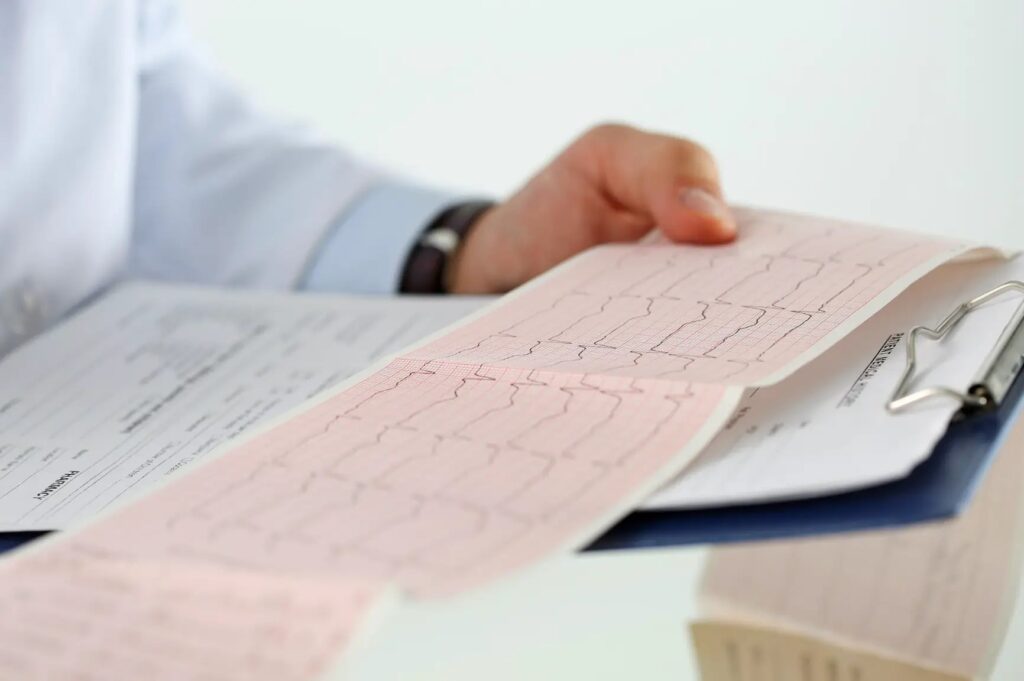
Have you ever felt your heart flutter, race, or skip a beat? This sensation could be a sign of arrhy
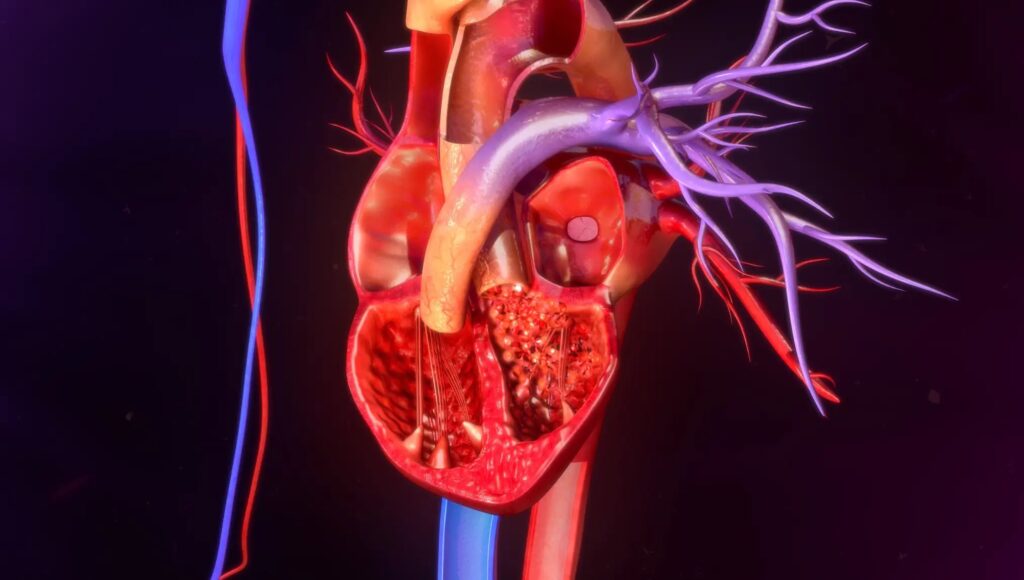
Coronary artery disease (CAD) is one of the leading causes of heart disease globally. As it con