
Continue taking all your regular medications unless specifically advised otherwise by your cardiologist, as stopping medications could affect your heart function during the test.
Transthoracic Echocardiogram Singapore
A transthoracic echocardiogram is a non-invasive heart scan that uses sound waves (ultrasound) to create moving images of your heart. It allows your cardiologist to assess how well your heart pumps blood and examine the structure of your heart chambers and valves. This painless test helps diagnose heart conditions and monitor your heart’s function over time.
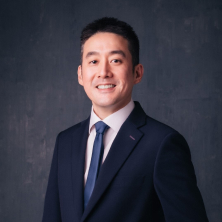
Dr. Kua Jieli
MBBS (SG)|MRCP (UK)|MMed (Internal Med) (SG)|FAMS (Cardiology, SG)


Indications for Transthoracic Echocardiogram
Your cardiologist may recommend a transthoracic echocardiogram for:
- Chest pain or discomfort: Unexplained chest pain may indicate problems with blood flow to your heart muscle or issues with heart valve function.
- Shortness of breath: Difficulty breathing, particularly during everyday activities or when lying flat, can suggest your heart isn’t pumping blood effectively.
- Heart murmur detection: If your doctor hears unusual sounds during a routine examination, an echocardiogram can determine whether this indicates a heart valve problem.
- High blood pressure monitoring: Long-term high blood pressure can affect your heart’s structure and function, requiring regular assessment to prevent complications.
- Family history of heart disease: A strong family history of heart conditions may warrant screening to detect inherited heart problems before symptoms develop.
- Previous heart attack: Following a heart attack, regular echocardiograms help monitor your heart’s recovery and detect any ongoing damage to the heart muscle.
- Irregular heartbeat concerns: Palpitations or irregular heart rhythms may be linked to structural heart problems that can be identified through imaging.
- Pre-surgical assessment: Before certain operations, particularly non-cardiac surgery, your medical team may need to assess your heart function to plan your care.
Transthoracic Echocardiogram Techniques in Singapore
Different approaches may be used during your echocardiogram to obtain the clearest images of your heart.
- Standard transthoracic imaging: The transducer is placed on different areas of your chest to capture images from various angles, providing a comprehensive view of your heart’s structure and function.
- Doppler ultrasound: This technique measures the speed and direction of blood flow through your heart chambers and valves, helping detect blockages or valve problems.
- Colour Doppler imaging: Blood flow is shown in different colours on the screen, making it easier to identify areas where blood isn’t flowing normally through your heart.
- Contrast echocardiography: In some cases, a small amount of contrast agent may be injected through a vein to enhance image quality, particularly if standard imaging doesn’t provide clear enough pictures.
Preparing for Transthoracic Echocardiogram
Most patients require minimal preparation for a transthoracic echocardiogram, though there are a few simple steps to follow.
Medication continuation
Diet restrictions
You may eat and drink normally before your appointment, as fasting isn’t required for this type of heart scan.
What to Expect During Transthoracic Echocardiogram
The echocardiogram process is straightforward and typically takes between 30 to 60 minutes to complete.
Gel application |
A small amount of clear, water-based gel is applied to your chest to help the transducer make good contact with your skin and transmit sound waves clearly. |
Image acquisition |
The sonographer moves the transducer to different positions on your chest, applying gentle pressure to capture images from various angles whilst you breathe normally. |
Breathing instructions |
You may be asked to hold your breath briefly or change position during certain parts of the scan to obtain the clearest possible images. |
Completion |
Images will be reviewed once all necessary images are captured. |
After Care and Recovery
Immediate Care
- Return to normal activities: You can resume all your usual activities immediately after the scan, including driving, work, and exercise.
Recovery Timeline
- No recovery period needed: Unlike surgical procedures, an echocardiogram requires no rest or recovery time.
Follow-up Care
- Results discussion: Your cardiologist will typically contact you within a few days to discuss the findings and explain what the images show about your heart function. If the scan identifies any concerns, your cardiologist will explain the next steps, which might include additional tests, medication adjustments, or lifestyle recommendations.
Are your symptoms affecting your quality of life?
Consult our MOH-accredited specialist for a comprehensive diagnosis & personalised treatment plan today.

Potential Risks and Complications
Transthoracic echocardiography is a very low-risk procedure. The ultrasound waves used are safe for all ages. Minor skin irritation from adhesive pads or cool gel may occur but typically resolves quickly. If a contrast agent is needed, allergic reactions are rare and carefully monitored.
A consultation with a qualified heart specialist in Singapore ensures the procedure is appropriate for your condition and any risks are properly assessed.
Frequently Asked Questions (FAQs)
Can I have an echocardiogram if I have a pacemaker or other implanted device?
Yes, having a pacemaker or other cardiac device doesn’t prevent you from having an echocardiogram. The ultrasound waves don’t interfere with these devices, and the scan can actually help your cardiologist check how well your device is working.
Will the scan hurt or cause any discomfort?
The procedure is painless, though you may feel slight pressure as the transducer is moved across your chest.
How is this different from other heart tests I might have had?
Unlike an ECG which records electrical activity, an echocardiogram creates actual pictures of your heart’s structure and movement. It’s also different from stress tests, which examine how your heart responds to exercise or medication.
Do I need to remove jewellery or have any special preparations?
You’ll need to remove any necklaces or chest jewellery that might interfere with the transducer placement. Other than wearing suitable clothing, no special preparations are needed.


Dr. Kua Jieli
MBBS (SG)|MRCP (UK)|MMed (Internal Med) (SG)|FAMS (Cardiology, SG)
Dr. Kua is a senior consultant cardiologist specialised in interventional cardiology and is the medical director at Carrington Cardiology.
- He is experienced in managing complex coronary artery disease and a variety of other cardiovascular diseases and conditions.
- He also handles difficult coronary interventional procedures such as left main disease, chronic total occlusions, and calcified lesions.
- He served as a Senior Consultant at National University Hospital Singapore and Ng Teng Fong General Hospital and was also the Director of the Cardiovascular Catheterisation Laboratory.
Prior to this, he served as an International Cardiology Fellow and Honorary Consultant at Hammersmith Hospital Imperial Healthcare Trust, where he gained valuable experience in various prestigious healthcare institutions.


Mount Elizabeth Medical Centre
3 Mount Elizabeth, #12-02 Medical Centre
Singapore 228510


Mon to Fri: 09:00am – 05:00pm
Sat: 09:00am – 12:30pm
Sun & Public Holidays: Closed
Get In Touch With Us
Leave us a message and we’ll get back to you shortly
Mount Elizabeth Medical Centre
3 Mount Elizabeth, #12-02 Medical Centre
Singapore 228510
Mon to Fri: 09:00am – 05:00pm
Sat: 09:00am – 12:30pm
Sun & Public Holidays: Closed