

Valvular Heart Disease Singapore

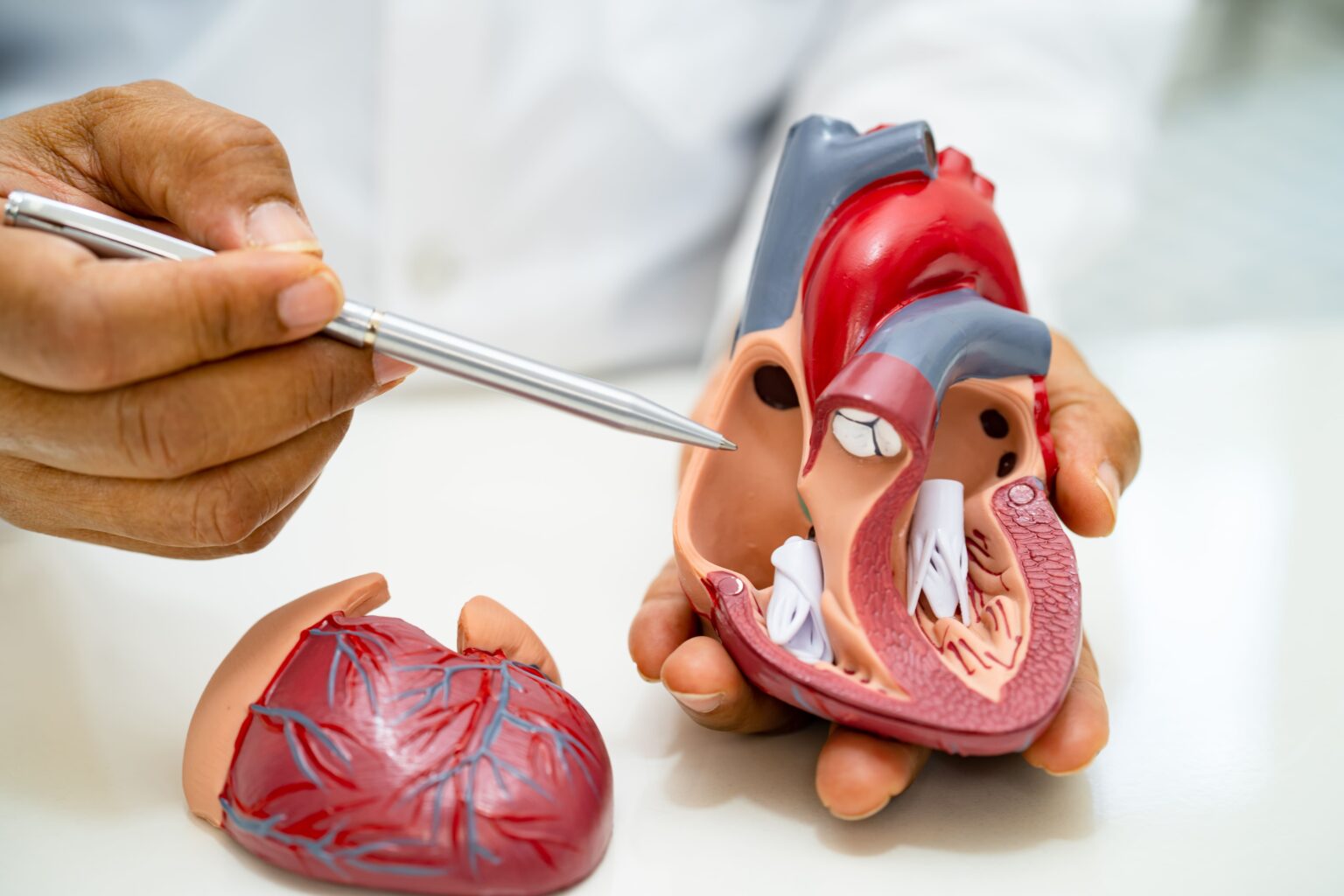
Valvular heart disease occurs when one or more of your heart’s four valves don’t function properly, affecting blood flow through your heart. This can cause symptoms that affect your daily activities and may progressively worsen without treatment.

doctor img
Dr. Kua Jieli

MBBS (SG)|MRCP (UK)|MMed (Internal Med) (SG)|FAMS (Cardiology, SG)

Image Carrington valvular heart disease
Image valvular heart disease symptoms

Symptoms of Valvular Heart Disease

Many people with mild valvular heart disease may not notice symptoms initially, but as the condition progresses, several signs may develop:

  • Shortness of breath: You may feel breathless during everyday activities like climbing stairs or walking, and this may eventually occur even when resting
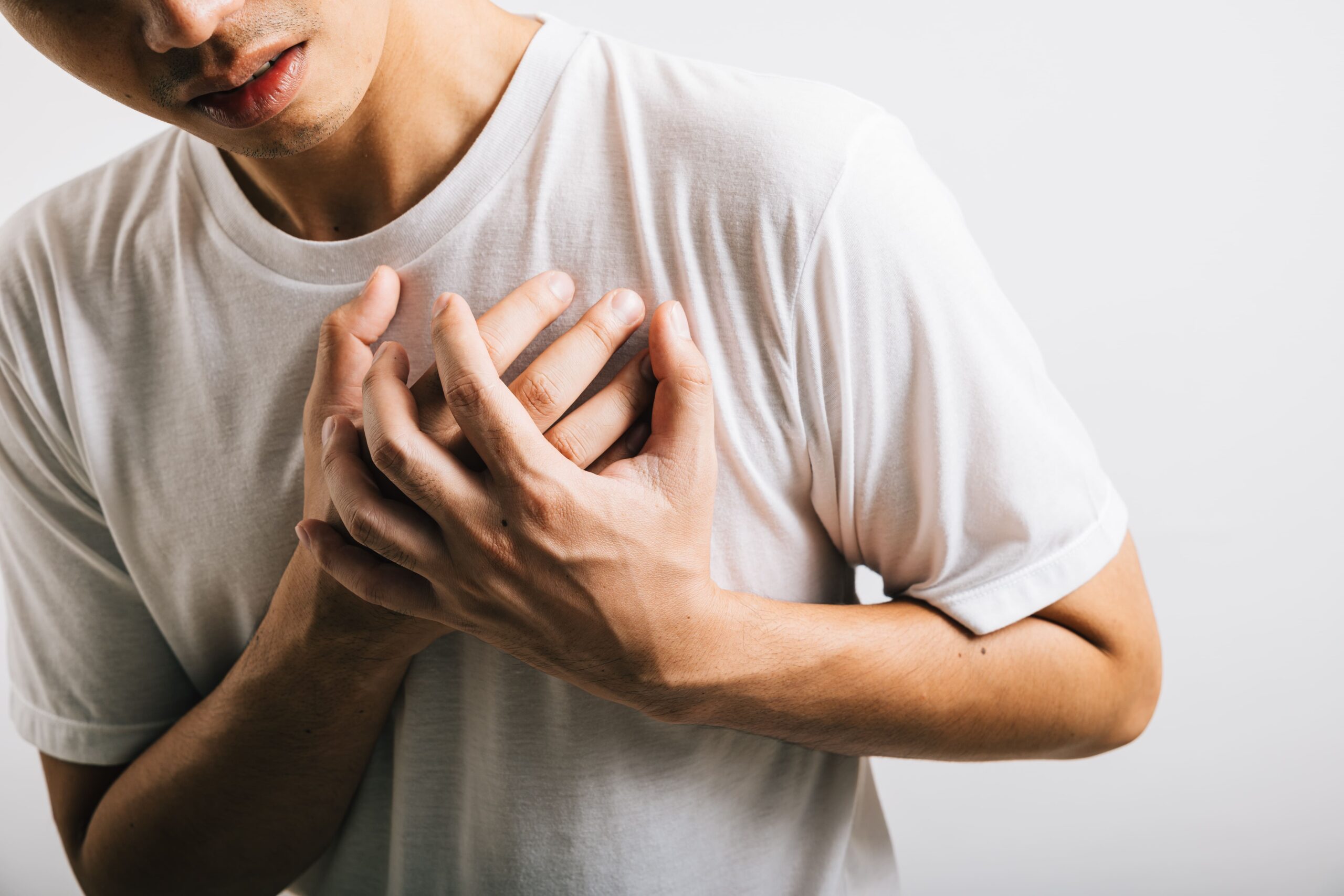
  • Chest pain or discomfort: A tight, heavy, or aching feeling in the chest, particularly during physical activity or exertion
  • Fatigue and weakness: Feeling unusually tired or lacking energy, even after light activities that normally wouldn’t cause tiredness
  • Dizziness or fainting: Feeling lightheaded, unsteady, or actually losing consciousness, especially when standing up quickly or during activity
  • Heart palpitations: Noticing your heartbeat as fluttering, racing, skipping beats, or pounding in your chest
  • Swollen ankles, feet, or legs: Fluid retention that causes puffiness, particularly noticeable at the end of the day or after sitting for long periods
  • Reduced exercise tolerance: Finding that physical activities you could previously manage now leave you breathless or exhausted more quickly

Causes and Risk Factors of Valvular Heart Disease

Valvular heart disease can develop from various conditions that damage or affect the heart valves over time:

  • Age-related changes

    As people get older, heart valves naturally become stiffer and may develop calcium deposits, particularly affecting the aortic valve

  • Rheumatic heart disease

    Damage caused by rheumatic fever, which can occur after untreated strep throat infections, leading to scarred and damaged valves

  • Congenital heart defects

    Some people are born with abnormally formed heart valves, such as bicuspid aortic valves that have two leaflets instead of three

  • Heart attacks

    Damage to the heart muscle from a heart attack can affect the valves’ ability to function properly

  • Heart infections

    Endocarditis, an infection of the heart’s inner lining, can damage valve tissue and affect how valves open and close

  • High blood pressure

    Long-term elevated blood pressure forces the heart to work harder, which can eventually damage the valves

  • Previous heart surgery

    Prior cardiac procedures may sometimes lead to valve problems later in life

  • Family history

    Some valve conditions, particularly congenital abnormalities, can run in families

Types of Valvular Heart Disease

Valvular heart disease is classified based on which valve is affected and the type of problem:

Aortic valve disease

The valve between the heart’s main pumping chamber and the body’s largest artery may become narrowed or leak backwards

Mitral valve disease

The valve between the heart’s upper and lower left chambers can develop problems with opening properly or closing completely

Tricuspid valve disease

The valve on the right side of the heart between the upper and lower chambers may not function correctly, though this occurs less frequently

Pulmonary valve disease

The valve controlling blood flow from the heart to the lungs can become affected, often related to congenital conditions

Valve stenosis

Any heart valve can become narrowed, restricting blood flow through the valve opening

Valve regurgitation

When valves don’t close properly, blood flows backwards instead of moving forward as intended

Diagnostic Methods

Several tests and examinations help identify valve problems and determine their severity:

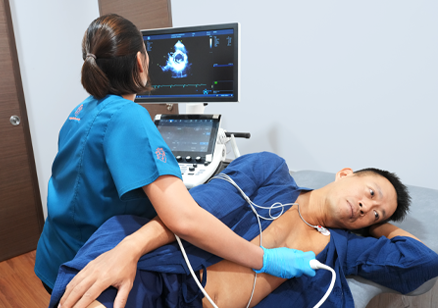
Transthoracic Echocardiogram (TTE)

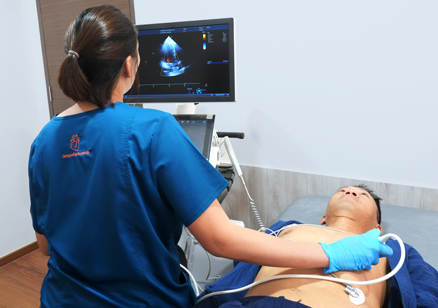
A non-invasive ultrasound that provides detailed images of your heart’s valves, chambers, and overall pumping function. It helps identify how effectively your heart valves open and close, as well as detect valve narrowing or leaks.

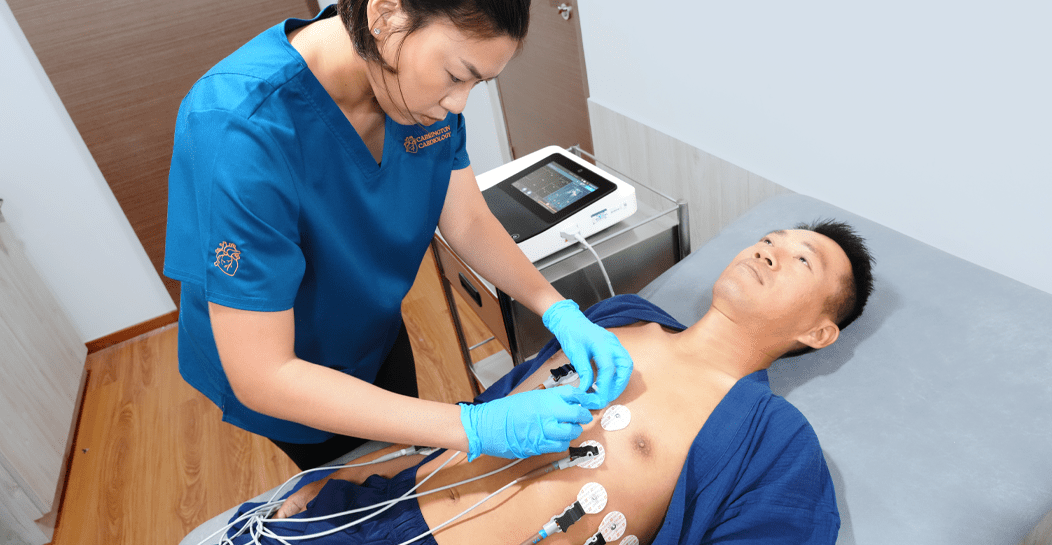
Electrocardiogram (ECG/EKG)

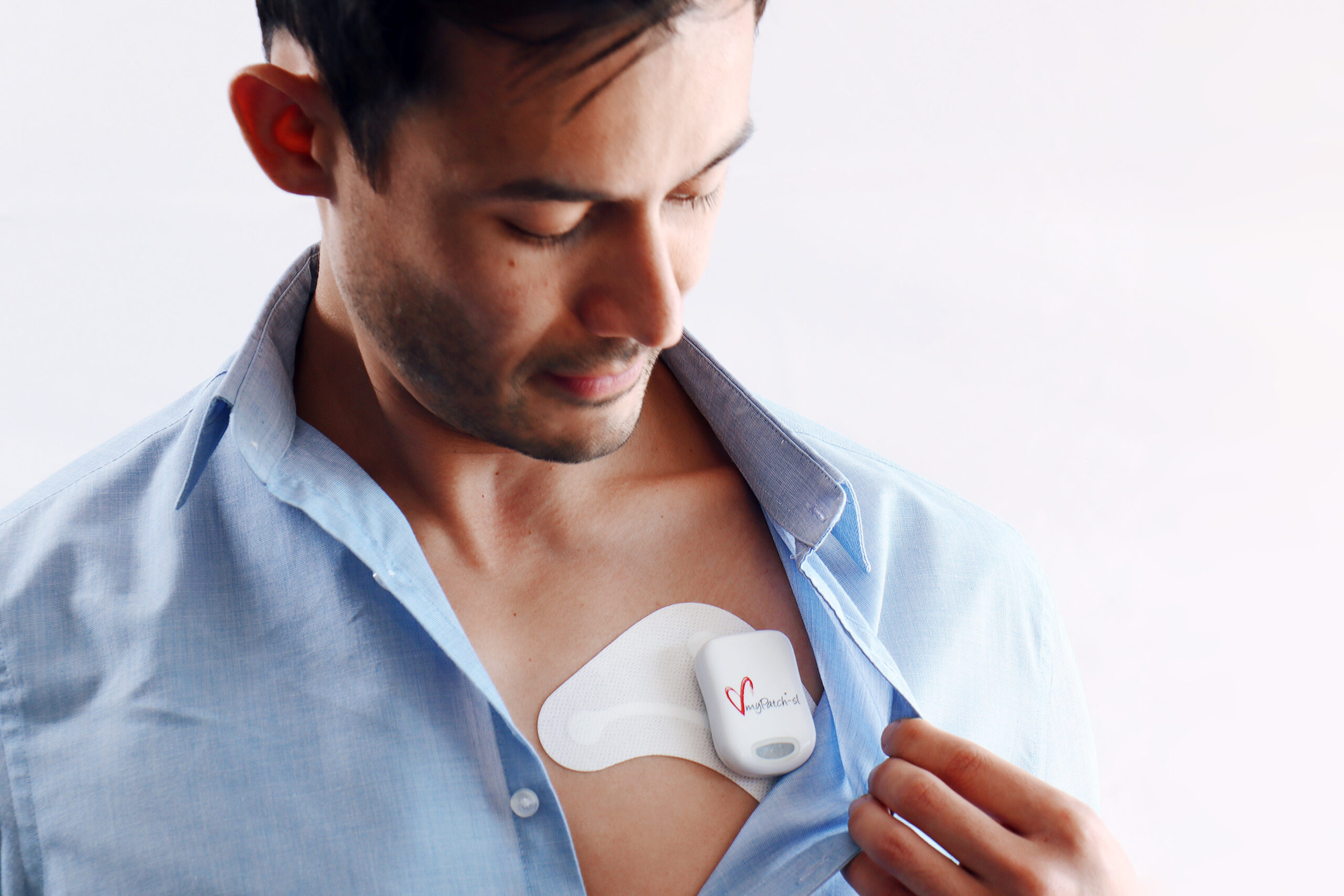
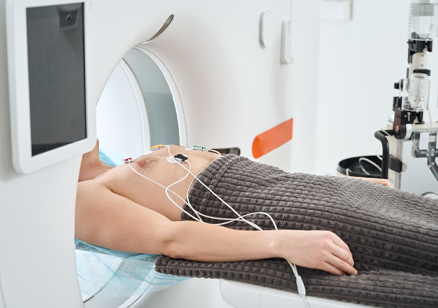
This quick, painless test records your heart’s electrical activity, revealing abnormal rhythms or signs of strain caused by valve disease.

CT Coronary Angiogram

A specialised X-ray scan offering detailed images of your heart’s arteries and valves. It identifies blockages or abnormalities that may affect valve function or blood flow.

Stress Echocardiogram

Combines ultrasound imaging with an exercise treadmill ECG, observing how your heart valves and function respond during physical exertion. It can highlight problems not evident at rest.

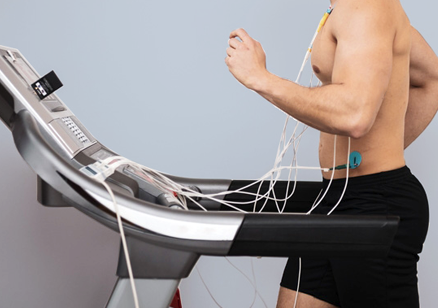
Exercise Treadmill ECG

Evaluates your heart’s electrical response to physical activity. Changes in your ECG during exercise can indicate reduced valve function or underlying heart conditions.

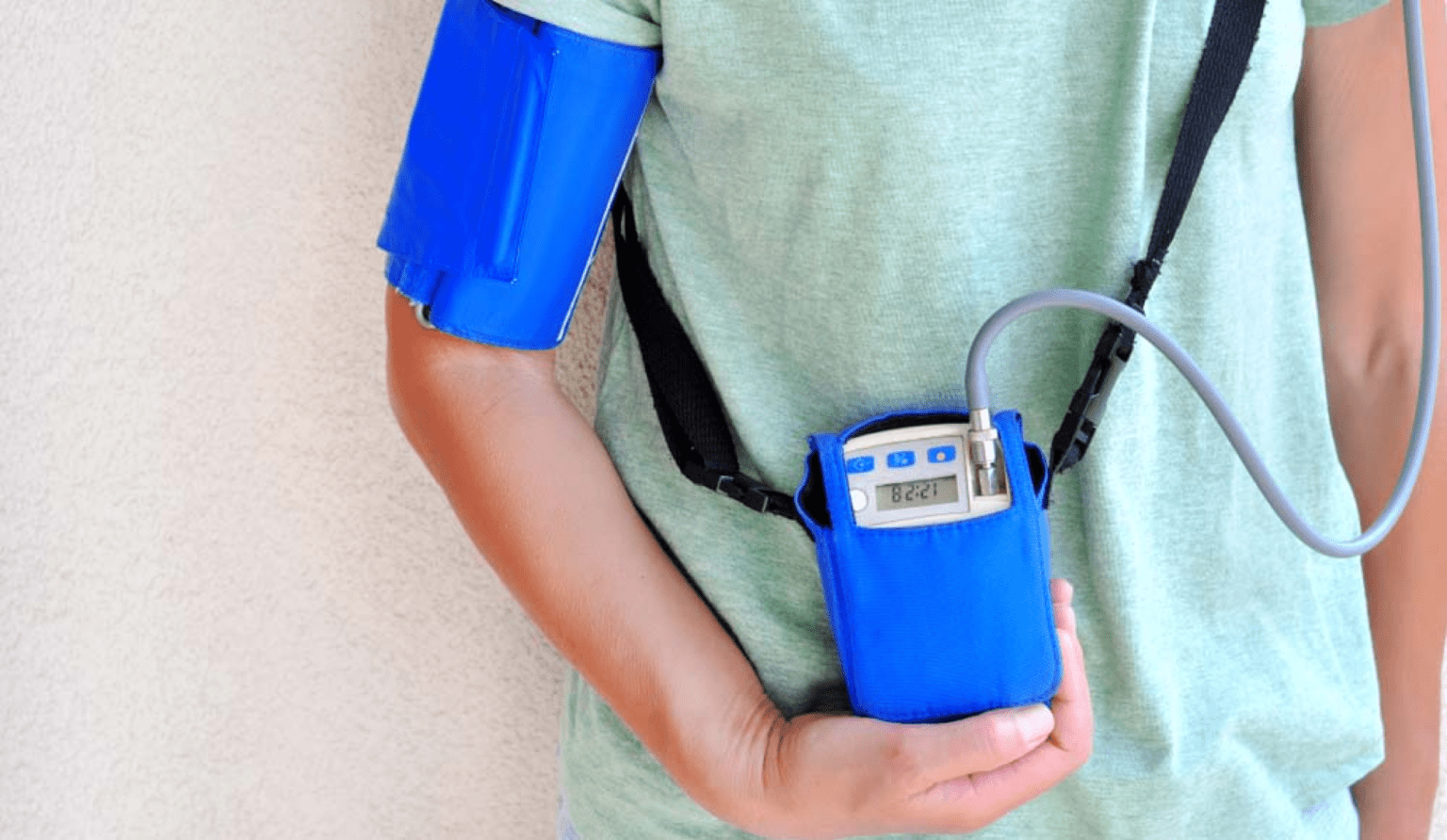
Ambulatory Blood Pressure (ABP) Monitoring

Continuously tracks your blood pressure over 24 hours, helping to detect abnormal fluctuations that may worsen valve conditions or indicate related heart issues.

Holter Monitoring

Provides continuous recording of your heart’s rhythm for 24–48 hours, identifying irregular heartbeats often associated with valvular disease.

Coronary Calcium Score

A CT scan measuring calcium deposits in your coronary arteries, highlighting potential heart disease risks contributing to valve deterioration.

Treatment Options for Valvular Heart Disease in Singapore

Non-Surgical Treatment

Several medication and monitoring approaches can help manage symptoms and slow progression of valve disease:

  • Medication Management: Blood pressure medications, diuretics (water pills), and blood thinners help relieve symptoms, reduce heart workload, and prevent complications associated with valve disease.
  • Lifestyle Management and Regular Monitoring: Personalised cardiology care involving routine follow-up, echocardiograms, and ECG monitoring ensures early detection and appropriate adjustment of your treatment plan.
Surgical Treatment

When valve disease becomes severe or symptoms significantly impact daily life, surgical intervention may be recommended:

  • Coronary Angiogram and Angioplasty: A minimally invasive procedure using a catheter to access and open narrowed heart arteries. This can improve blood flow significantly and alleviate stress on your heart valves.
  • Electrophysiology Study and Cardiac Ablation: A catheter-based procedure targeting and correcting abnormal heart rhythms frequently linked to valvular disease, improving your heart’s efficiency and rhythm stability.
  • Pacemakers and Implantable Cardiac Devices: Small devices implanted to regulate abnormal heart rhythms, ensuring your heart maintains a steady and effective pumping action, vital when valves are compromised.

Are your symptoms affecting your quality of life?

Consult our MOH-accredited specialist for a comprehensive diagnosis & personalised treatment plan today.

cta img 2

Prevention and Management

Whilst some forms of valvular heart disease cannot be prevented due to genetic factors or age-related changes, managing risk factors can help slow progression and reduce complications. Regular check-ups with a cardiologist, maintaining good dental hygiene to prevent valve infections, and managing conditions like high blood pressure and diabetes all significantly improve your heart health outcomes.

When to See a Heart Specialist in Singapore

Early consultation with a cardiology specialist is essential to manage valvular heart disease effectively. Schedule a consultation promptly if you experience:

  • Persistent shortness of breath, especially during regular activities or when resting.
  • Chest discomfort, pressure, or tightness during exertion.
  • Episodes of dizziness, lightheadedness, or fainting spells.
  • Frequent or severe heart palpitations (fluttering, racing heartbeat).
  • Noticeable swelling in your legs, ankles, or abdomen.
  • Rapid decline in your ability to perform everyday tasks or exercise comfortably.

Regular visits to a cardiologist in Singapore are particularly important if you have known risk factors, previous heart conditions, or if valve disease has been diagnosed or suspected by your primary doctor.

Frequently Asked Questions (FAQs)

Can I exercise if I have valvular heart disease?

Most people with mild to moderate valve disease can continue exercising, but the type and intensity should be discussed with a cardiologist. Activities may need to be modified based on symptoms and the severity of the condition.

Will I need to take antibiotics before dental procedures?

This depends on the type and severity of your valve disease, as well as the specific dental procedure. Your cardiologist will advise whether antibiotic prophylaxis is recommended to prevent valve infections.

How quickly does valvular heart disease progress?

The progression varies greatly between individuals and depends on the type of valve disease, with some conditions remaining stable for years whilst others may worsen more rapidly. Regular monitoring helps track any changes.

Can pregnancy affect valvular heart disease?

Pregnancy increases the workload on the heart, which may worsen symptoms in women with valve disease. Specialist care from both cardiologists and obstetricians is recommended when planning pregnancy.

What lifestyle changes should I make?

Focus on maintaining a heart-healthy diet low in salt, staying at a healthy weight, avoiding smoking, and limiting alcohol consumption. Your cardiologist can provide specific guidance based on your individual condition.

Frame 1894

Dr. Kua Jieli

MBBS (SG)|MRCP (UK)|MMed (Internal Med) (SG)|FAMS (Cardiology, SG)

Dr. Kua is a senior consultant cardiologist specialised in interventional cardiology and is the medical director at Carrington Cardiology.

  • He is experienced in managing complex coronary artery disease and a variety of other cardiovascular diseases and conditions.
  • He also handles difficult coronary interventional procedures such as left main disease, chronic total occlusions, and calcified lesions.
  • He served as a Senior Consultant at National University Hospital Singapore and Ng Teng Fong General Hospital and was also the Director of the Cardiovascular Catheterisation Laboratory.

Prior to this, he served as an International Cardiology Fellow and Honorary Consultant at Hammersmith Hospital Imperial Healthcare Trust, where he gained valuable experience in various prestigious healthcare institutions.

Location Contact Background
Image location

Mount Elizabeth Medical Centre
3 Mount Elizabeth, #12-02 Medical Centre
Singapore 228510

Image time

Mon to Fri: 09:00am – 05:00pm
Sat: 09:00am – 12:30pm
Sun & Public Holidays: Closed

Get In Touch With Us

Leave us a message and we’ll get back to you shortly


    Full Name*

    Email Address*

    Phone Number*

    Your Message*

    For Faster Response, Call us!

    +65 6956 6588


    Image location

    Mount Elizabeth Medical Centre
    3 Mount Elizabeth, #12-02 Medical Centre
    Singapore 228510

    Image time

    Mon to Fri: 09:00am – 05:00pm
    Sat: 09:00am – 12:30pm
    Sun & Public Holidays: Closed